
Anúncios
Discover Your Future Self with AI Aging Technology

Try It Now
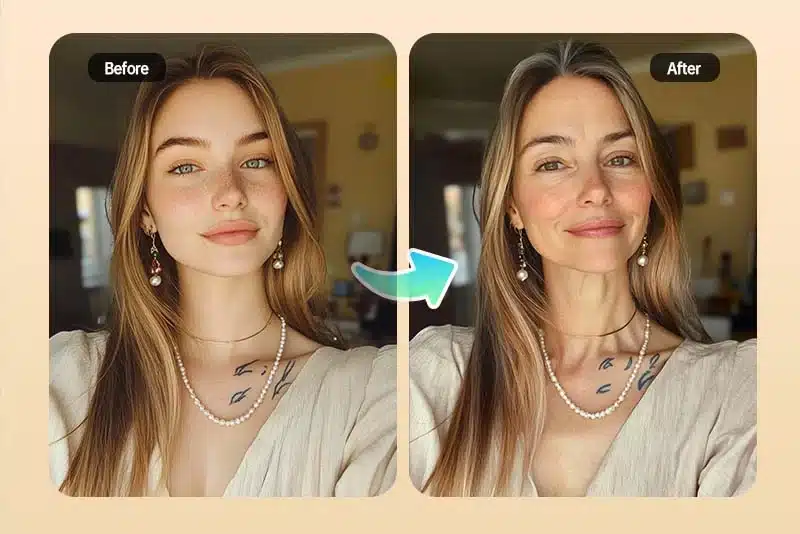
Have you ever wondered what you’ll look like in 20, 30, or even 50 years? Thanks to artificial intelligence and advanced facial recognition technology, you no longer need to wait decades to find out. AI-powered aging apps have revolutionized the way we visualize our future selves, offering surprisingly accurate predictions that blend science, entertainment, and a touch of curiosity about the inevitable passage of time.
These innovative applications use sophisticated algorithms to analyze your facial features, skin texture, bone structure, and even genetic patterns to create realistic projections of how aging might affect your appearance. Whether you’re simply curious, planning for the future, or looking for a fun way to engage with technology, aging apps offer an intriguing glimpse into tomorrow. 🔮
How AI Aging Technology Actually Works
The magic behind these applications isn’t actually magic at all—it’s a combination of machine learning, deep neural networks, and vast databases of aging patterns. When you upload a photo to an aging app, the AI immediately begins analyzing thousands of facial data points, comparing them against millions of reference images stored in its database.
The technology examines specific aging markers such as wrinkle formation patterns, skin elasticity changes, hair thinning or graying, bone density shifts that affect facial structure, and fat distribution changes that occur naturally over time. The algorithms have been trained on extensive datasets showing how real people age across different ethnicities, genders, and genetic backgrounds, making the predictions increasingly accurate with each iteration.
What makes modern AI aging apps particularly impressive is their ability to account for individual variations. The technology doesn’t simply apply a generic “old person” filter to your photo—it considers your unique facial characteristics and how they specifically might evolve based on statistical aging patterns observed in similar facial types.
Top AI Aging Apps That Deliver Realistic Results
The market offers numerous options for those curious about their future appearance, each with distinct features and accuracy levels. Let’s explore some of the most popular and effective applications currently available.
FaceApp: The Pioneer of Viral Aging Filters
FaceApp became a global phenomenon when its aging filter went viral, with millions of users sharing their aged photos across social media platforms. This application remains one of the most sophisticated options available, offering remarkably realistic aging transformations that consider lighting, skin texture, and facial structure with impressive detail.
The app provides both free and premium versions, with the free option offering basic aging filters while the paid subscription unlocks additional features like gender swaps, hair style changes, and the ability to remove watermarks. The AI technology behind FaceApp continuously improves through machine learning, becoming more accurate as more users engage with the platform.
AgingBooth: Classic Simplicity with Effective Results
AgingBooth takes a straightforward approach to age progression, focusing specifically on showing users what they might look like in their senior years. The interface is user-friendly and accessible, making it perfect for those who want quick results without navigating complex features or settings.
This application excels at creating believable elderly versions of users, adding appropriate wrinkles, age spots, and changes in facial structure that align with natural aging processes. While it may not offer as many additional features as some competitors, its dedication to one specific function results in consistently high-quality age transformations.
Oldify: Entertainment Meets Technology
Oldify combines aging technology with entertainment features, allowing users not just to see their older selves but also to animate those aged faces with various expressions and movements. This adds an interactive dimension that makes the experience more engaging and shareable on social platforms.
The app includes voice modulation features that make your voice sound older, complementing the visual transformation. This comprehensive approach to aging simulation creates a more immersive experience, though some users report that the aging effects can sometimes appear slightly exaggerated compared to more conservative alternatives.
YouCam Makeup: Beauty-Focused Aging Predictions
YouCam Makeup primarily focuses on virtual makeup try-ons, but its aging feature stands out for its attention to beauty and skincare considerations. The app not only shows how you might age but also provides insights into skin care routines and preventive measures that could influence your actual aging process.
This dual functionality makes it particularly appealing to users interested in both curiosity about their future appearance and proactive skincare planning. The aging predictions tend to be optimistic, potentially showing what you might look like with good skincare habits and healthy lifestyle choices. ✨
The Science Behind Accurate Age Prediction
Understanding what makes some aging apps more accurate than others requires looking at the underlying scientific principles. Researchers have identified specific biological markers that reliably indicate aging patterns, and the best applications incorporate these markers into their algorithms.
Facial bone remodeling plays a crucial role in how we age. As we get older, our facial bones undergo subtle but significant changes—the eye sockets enlarge, the angle of the jaw becomes less defined, and the overall facial structure shifts. Advanced AI apps account for these skeletal changes, not just superficial skin alterations.
Skin texture analysis represents another critical component. The algorithms examine pore size, elasticity indicators, and existing fine lines to predict how skin will continue to change over time. They consider factors like sun damage patterns, which vary based on lifestyle and geographic location, and incorporate these variables into their predictions.
Privacy Considerations When Using Aging Apps
While exploring your future appearance can be entertaining and fascinating, it’s essential to understand the privacy implications of uploading your photos to these applications. Your facial data is biometric information—highly personal and potentially sensitive in the wrong hands.
Reputable aging apps should clearly state their data usage policies, explaining exactly what happens to your photos after processing. The best applications process images and then immediately delete them from their servers, while less trustworthy options might retain your facial data for undisclosed purposes.
Before using any aging app, review the permissions it requests. Be cautious of applications that demand access to your entire photo library, contacts, or other unrelated device features. Legitimate aging apps only need access to the specific photo you want to transform, nothing more. 🔒
Reading the Fine Print
Many users skip the terms of service and privacy policies, but these documents contain crucial information about how your data will be used. Look for specific language about data retention periods, whether your images might be used for training AI models, if your photos could appear in marketing materials, and whether the company shares data with third parties.
If an app’s privacy policy seems vague, excessively long to obscure important details, or grants the company broad rights to use your images, consider choosing a different application. Your future face photos might be fun, but protecting your privacy should always take priority.
Beyond Entertainment: Practical Applications of Aging Technology
While most people use aging apps purely for entertainment, the underlying technology serves numerous practical purposes in professional fields. Medical professionals utilize age progression software to help patients visualize the long-term effects of lifestyle choices on their appearance, particularly regarding sun damage, smoking, and other factors that accelerate visible aging.
Forensic investigators employ similar technology to update missing person photos, showing what individuals might look like years or decades after they disappeared. This application has helped solve numerous cold cases and reunite families after long separations.
Plastic surgeons and dermatologists use aging prediction software to demonstrate potential outcomes of various treatments and preventive procedures. This helps patients make informed decisions about cosmetic interventions by showing realistic projections of both natural aging and the potential benefits of specific treatments.
The Accuracy Question: How Reliable Are These Predictions?
The burning question everyone asks is: how accurate are these AI aging predictions really? The answer is nuanced and depends on several factors, including the sophistication of the algorithm, the quality of the input photo, and individual genetic variables that no algorithm can fully predict.
Studies comparing AI age predictions with actual aging photos of the same individuals show accuracy rates ranging from 60% to 85%, depending on the application and the time span predicted. Apps tend to be more accurate for shorter time periods (10-20 years) than for extreme projections (50+ years).
What the algorithms can’t account for includes unexpected health conditions that affect appearance, significant weight fluctuations, lifestyle changes that accelerate or slow aging, surgical or cosmetic interventions, and environmental factors like relocation to different climates. These variables mean that your actual future appearance will likely differ from any AI prediction, though the general trajectory often proves surprisingly accurate. 📊
Creating the Most Accurate Aging Predictions
If you want to get the most realistic results from aging apps, the quality and characteristics of your input photo matter significantly. Start with a high-resolution image taken in good, even lighting—harsh shadows or overly bright spots can confuse the AI and lead to less accurate predictions.
Face the camera directly with a neutral expression. Smiling photos can work, but neutral expressions typically produce more accurate aging predictions because the AI can better analyze your facial structure without the distortions that expressions create. Ensure your face is clearly visible without obstructions from glasses, hair, or accessories that might interfere with facial recognition.
Natural makeup or no makeup tends to produce better results than heavy cosmetics, which can mask facial features the algorithm needs to analyze. Similarly, remove filters or editing from your photos before uploading them—aging AI works best with authentic, unaltered images.
The Psychological Impact of Seeing Your Future Self
Confronting a realistic image of your aged self can trigger a range of emotional responses, from curiosity and amusement to anxiety and motivation for lifestyle changes. Psychological research suggests that visualizing your future self can actually influence present-day decision-making in positive ways.
Studies have shown that people who regularly visualize their older selves tend to make better long-term financial decisions, invest more in retirement savings, engage in healthier behaviors, and show more concern for their future well-being. The abstract concept of “future me” becomes more concrete and real when you can actually see that person looking back at you.
However, for some individuals, these visualizations can trigger anxiety about aging, mortality, or appearance-related concerns. If you find yourself experiencing negative emotional reactions to aging predictions, it’s worth examining whether these feelings point to deeper concerns that might benefit from professional discussion. 💭
Comparing Free vs. Premium Aging Apps
The aging app market includes both completely free options and premium applications with subscription models. Understanding the differences can help you choose the right option for your needs and budget.
Free versions typically include basic aging filters, watermarked results, limited processing quality, and advertisements throughout the user experience. These options work fine for casual experimentation and social media sharing, especially if you don’t mind the watermarks.
Premium subscriptions generally offer higher resolution outputs, multiple aging time frames (see yourself at 40, 60, 80), removal of watermarks, additional filters and effects, priority processing with faster results, and often better privacy protections. For serious users interested in the most accurate predictions or professional applications, the investment in premium features often proves worthwhile.
The Future of AI Aging Technology
The technology behind aging apps continues to evolve rapidly, with several exciting developments on the horizon. Researchers are working on incorporating genetic data into aging predictions, which would dramatically increase accuracy by accounting for hereditary aging patterns specific to your family lineage.
Lifestyle integration represents another frontier—imagine an app that considers your actual health data, exercise habits, diet, sleep patterns, and stress levels to create personalized aging predictions showing how your specific lifestyle might influence your appearance over time. This could transform aging apps from entertainment tools into powerful motivators for healthy living.
Virtual reality integration may soon allow you to interact with your aged self in immersive environments, creating even more impactful visualizations of your future. Combined with voice aging technology and movement simulation, these experiences could provide remarkably realistic encounters with your future self. 🚀
Making the Most of Your Aging App Experience
Approach aging apps with the right mindset—they’re sophisticated prediction tools based on statistical patterns, not crystal balls showing your definite future. Use them as entertaining technology that offers interesting possibilities rather than definitive answers about your appearance decades from now.
Consider using these tools as motivation for positive changes. If your aged prediction shows significant sun damage or other preventable aging markers, let that inspire better sun protection, skincare routines, or lifestyle adjustments. The predictions aren’t fixed destinies—they’re modifiable outcomes that you can influence through your choices today.
Share your results thoughtfully. While aged photos can be fun to share on social media, remember that you’re distributing biometric data publicly. Consider the long-term implications before posting highly detailed facial images, even aged versions, to public platforms.
Experiment with multiple apps to see different algorithmic approaches to your aging prediction. Each application uses slightly different datasets and methodologies, so comparing results can give you a more comprehensive picture of possible aging trajectories while highlighting the inherent uncertainty in any single prediction.
Your Appearance, Your Future, Your Choices
AI aging apps represent a fascinating intersection of technology, vanity, curiosity, and science. They offer unprecedented access to predictions that were impossible just a decade ago, transforming the abstract concept of “future you” into a concrete visual reality that can inform, entertain, and sometimes motivate meaningful change.
Whether you’re simply curious about your future appearance, considering preventive skincare measures, or looking for motivation to make healthier lifestyle choices, these applications provide valuable insights wrapped in an accessible, engaging format. The key is approaching them with realistic expectations—appreciating their sophistication while recognizing their limitations.
As the technology continues advancing, these predictions will only become more accurate and personalized. Today’s aging apps are just the beginning of a technological revolution in how we visualize, understand, and perhaps influence the aging process itself. Your future is being written by the choices you make today, and now you can actually see a preview of how those chapters might look. 🌟
