
Anúncios
Transform Your Sleep with Smart Technology

Discover Sleep Solutions
Sleep has become one of the most precious commodities in our modern, fast-paced world. With the constant demands of work, family, and digital distractions, millions of people struggle to get the quality rest their bodies desperately need. The good news? Technology that once kept us awake is now being harnessed to help us sleep better than ever before.
Mobile applications designed specifically for sleep improvement have revolutionized how we approach our nightly rest. From tracking sleep patterns to providing soothing soundscapes, these digital tools offer personalized solutions that fit right in your pocket. Let’s explore the most effective apps that can transform your sleep quality and help you wake up refreshed every morning. 😴
Understanding the Science Behind Sleep Apps
Before diving into specific applications, it’s essential to understand how these digital tools actually work to improve your sleep. Most sleep apps utilize a combination of proven scientific principles, from circadian rhythm optimization to guided relaxation techniques.
Modern sleep technology leverages your smartphone’s sensors to monitor movement patterns throughout the night. By detecting subtle shifts in position, these apps can determine which sleep stage you’re in—whether light, deep, or REM sleep. This data provides valuable insights into your sleep architecture and helps identify patterns that may be disrupting your rest.
The Role of Sleep Tracking Technology
Sleep tracking has evolved dramatically from simple timers to sophisticated monitoring systems. Today’s apps use accelerometers, microphones, and even heart rate sensors (when paired with wearables) to paint a comprehensive picture of your sleep quality.
These metrics help you understand not just how long you slept, but how well you slept. You’ll discover factors like sleep efficiency, time spent in each sleep stage, and disturbances that interrupt your rest. Armed with this knowledge, you can make informed adjustments to your sleep environment and habits. 📊
Top-Tier Apps for Sleep Tracking and Analysis
Sleep tracking apps form the foundation of digital sleep improvement. These applications monitor your sleep cycles and provide detailed analytics to help you optimize your rest patterns.
Sleep Cycle: The Smart Alarm Clock Revolution
Sleep Cycle has earned its reputation as one of the most popular sleep tracking apps worldwide. What sets it apart is its intelligent alarm feature that wakes you during your lightest sleep phase within a preset time window. This approach helps you feel more refreshed and less groggy upon waking.
The app analyzes your movement patterns throughout the night using sound or vibration analysis. It creates easy-to-read graphs showing your sleep quality score, time spent in bed, and any disturbances. The premium version includes snore detection, sleep notes, and long-term trend analysis that can reveal patterns over weeks or months.
SleepScore: Clinical-Grade Sleep Monitoring
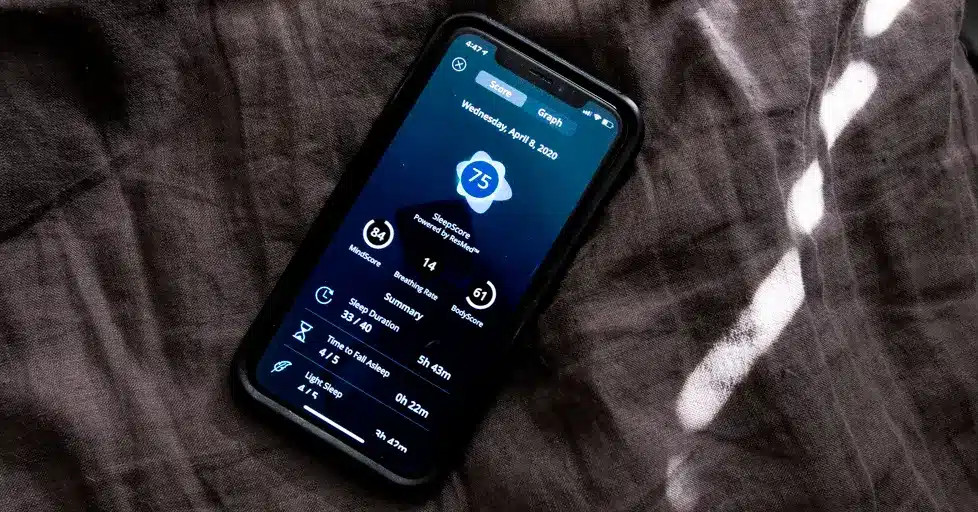
SleepScore takes a more clinical approach to sleep tracking, using sonar technology to monitor your breathing and movement without requiring any physical contact. Developed with input from sleep scientists and researchers, this app provides remarkably accurate data about your sleep stages.
Beyond tracking, SleepScore offers personalized recommendations based on your specific sleep patterns. The app considers factors like your age, lifestyle, and sleep goals to suggest targeted improvements. It also includes a comprehensive sleep sanctuary feature that evaluates your bedroom environment. 🌙
Meditation and Relaxation Apps for Better Sleep
Sometimes the barrier to good sleep isn’t about tracking—it’s about calming an overactive mind. Meditation and relaxation apps help you wind down effectively and prepare your body for restorative sleep.
Calm: Your Personal Sleep Sanctuary
Calm has become synonymous with digital relaxation, offering an extensive library of sleep stories, meditation sessions, and calming music. The app’s Sleep Stories feature narrates by celebrities and trained voice actors guide you through peaceful scenarios designed to lull you into deep sleep.
The application includes breathing exercises specifically designed for bedtime, progressive muscle relaxation techniques, and masterclasses on sleep improvement from experts. Calm’s interface is beautifully designed with soothing nature scenes that set the mood even before you start a session.
Headspace: Mindfulness Meets Sleep Science
Originally focused on daytime meditation, Headspace has expanded into comprehensive sleep support with its “Sleepcasts” feature. These audio experiences combine ambient soundscapes with subtle narration, creating an immersive environment perfect for drifting off.
Headspace’s sleep content includes wind-down exercises, sleep music, and guided meditations specifically designed to address common sleep disruptors like anxiety and racing thoughts. The app’s signature animation style makes learning about sleep science engaging and accessible. ✨
White Noise and Sound Environment Apps
Sound plays a crucial role in sleep quality. The right audio environment can mask disruptive noises and create a consistent backdrop that signals your brain it’s time to rest.
myNoise: Customizable Soundscapes
myNoise stands out for its extraordinary level of customization. Unlike simple white noise generators, this app allows you to fine-tune specific frequency ranges to match your hearing profile and preferences. Whether you prefer rain sounds, ocean waves, or abstract drones, myNoise lets you sculpt the perfect sound environment.
The app includes features like “animate” mode, which gently varies the soundscape to prevent your brain from tuning it out, and calibration tools that adjust the audio based on your hearing sensitivity. This level of personalization makes it effective for people who find standard white noise apps ineffective.
Dark Noise: Minimalist Excellence
For those who prefer simplicity, Dark Noise delivers high-quality ambient sounds without overwhelming features. The app offers a curated selection of nature sounds, household noises, and white/brown/pink noise variations, all accessible through an elegant, distraction-free interface.
Dark Noise integrates seamlessly with iOS features like Siri Shortcuts, allowing you to start your favorite sound with a simple voice command or automation. The app respects your device’s sleep mode and works beautifully with timers for those who don’t want sounds playing all night. 🎵
Smart Alarm and Wake-Up Apps
Waking up can be just as important as falling asleep when it comes to feeling rested. Smart alarm apps use science-based approaches to ensure you wake up at the optimal moment.
Alarmy: The Guarantee You’ll Actually Wake Up
If you struggle with hitting snooze repeatedly, Alarmy offers creative solutions that force you to engage your brain before the alarm stops. The app can require you to take a photo of a specific location, solve math problems, shake your phone vigorously, or complete memory games.
While this might sound extreme, Alarmy’s approach ensures you’re truly awake before dismissing the alarm. The app also includes gentle wake-up options for those days when you don’t need such aggressive motivation, and it tracks your wake-up consistency over time.
Sleep Time: Intelligent Sleep Cycle Tracking
Sleep Time combines comprehensive sleep analysis with smart alarm functionality. The app monitors your sleep cycles throughout the night and wakes you during the lightest sleep phase, minimizing grogginess and sleep inertia.
The application provides detailed insights into your sleep patterns, including graphs, statistics, and trends over time. It also offers soundscapes to help you fall asleep and integrates with Apple Health to provide a holistic view of how your sleep relates to other health metrics. 📱
Specialized Apps for Specific Sleep Challenges
Different people face different sleep obstacles. Fortunately, specialized apps target specific issues that might be keeping you awake.
CBT-i Coach: Clinical Approach to Insomnia
Developed by the VA alongside Stanford University, CBT-i Coach delivers cognitive behavioral therapy for insomnia through a mobile interface. This evidence-based approach addresses the thought patterns and behaviors that contribute to chronic sleep problems.
The app includes weekly training sessions, a sleep diary, tools for stimulus control and sleep restriction, and resources for dealing with racing thoughts. While it’s designed to complement professional treatment, many users find significant improvement using the app independently.
SnoreLab: Tackling Snoring Problems
Snoring affects not just sleep quality but also relationships. SnoreLab records, measures, and tracks your snoring patterns, providing objective data about a problem that’s difficult to self-assess. The app identifies when snoring occurs during the night and measures its intensity.
More importantly, SnoreLab helps you discover what factors influence your snoring. By tracking variables like sleep position, alcohol consumption, and medication, you can identify triggers and test the effectiveness of remedies. The app includes information about proven snoring solutions and lifestyle changes. 😴
Creating the Perfect Sleep App Routine
Using multiple apps together can create a comprehensive sleep improvement system. The key is building a routine that addresses your specific needs without becoming overwhelming.
Start your evening routine an hour before bedtime by using a meditation app like Calm or Headspace. Spend 10-15 minutes doing a guided wind-down meditation or listening to a sleep story. This signals to your brain that it’s time to transition from the day’s activities to rest mode.
The Optimal Multi-App Strategy
Once you’re ready for bed, activate a white noise or soundscape app if environmental sounds disrupt your sleep. Set up your sleep tracking app to monitor your night, and configure a smart alarm to wake you during light sleep within your desired time window.
Consistency is crucial. Use the same apps and routine every night for at least two weeks before evaluating their effectiveness. Your brain responds positively to predictable patterns, and a consistent routine strengthens the association between these activities and sleep.
Maximizing the Benefits of Sleep Apps
Simply downloading sleep apps won’t magically fix sleep problems. You need to use them strategically and combine them with good sleep hygiene practices.
Review your sleep data regularly but don’t become obsessed with it. Some people develop “orthosomnia”—an unhealthy fixation on achieving perfect sleep metrics. Use the data as a guide for general trends rather than stressing over individual nights.
Important Considerations and Limitations
Remember that smartphone-based sleep tracking has limitations. These apps can’t match the accuracy of clinical polysomnography studies, and they shouldn’t be used to diagnose sleep disorders. If you consistently struggle with sleep despite using apps and maintaining good sleep hygiene, consult a healthcare professional.
Battery usage and sleep disruption from device notifications are valid concerns. Most sleep apps include battery-saving modes, and you should always enable “Do Not Disturb” or airplane mode during sleep tracking. Some users prefer leaving their phone across the room and using wearable devices for tracking instead. 🔋
The Future of Sleep Technology
Sleep app technology continues evolving rapidly. Artificial intelligence and machine learning enable increasingly personalized recommendations based on your unique patterns and responses to interventions.
Integration with smart home devices is expanding, allowing apps to automatically adjust room temperature, lighting, and sound based on your sleep stage. Wearable technology is becoming more sophisticated, providing more accurate biometric data that feeds into sleep apps for deeper insights.
Some emerging apps are exploring gamification, rewarding consistent sleep schedules and healthy habits with points, achievements, and social features that encourage accountability. Others are incorporating virtual reality experiences designed to trigger relaxation responses that facilitate faster sleep onset.
Building Your Personal Sleep Improvement Strategy
The best approach to using sleep apps is personalized experimentation. Start with one app in each category that addresses your primary sleep challenge—whether that’s falling asleep, staying asleep, or waking up refreshed.
Track your subjective sleep quality alongside the objective data your apps provide. Notice patterns between your daily activities, stress levels, diet, exercise, and sleep quality. Use this comprehensive understanding to make targeted adjustments that compound over time.
Consider that quality sleep is built on a foundation of behavioral consistency, a proper sleep environment, and healthy lifestyle choices. Apps are powerful tools that amplify these fundamentals, but they work best when integrated into a holistic approach to sleep health. Your smartphone can be your greatest ally in achieving the restorative rest you deserve. 🌟
With dedication to using these tools consistently and mindfully, you’ll likely notice improvements in your sleep quality within weeks. Better sleep leads to improved mood, sharper cognitive function, stronger immunity, and overall enhanced quality of life. The investment of time in learning and using these apps pays dividends in every aspect of your health and wellbeing.
