
Anúncios
Best Apps to Manage and Reduce Anxiety
Discover Solutions Now
Anxiety has become one of the most prevalent mental health challenges of our time. Whether it’s the constant pressure of work deadlines, social media comparisons, or the lingering effects of global uncertainty, millions of people worldwide are searching for accessible, effective ways to manage their symptoms. The good news? Technology has evolved to meet this need, offering powerful tools right at our fingertips.
Mobile applications designed specifically for anxiety management have transformed how we approach mental wellness. These digital companions provide evidence-based techniques, guided meditations, cognitive behavioral therapy exercises, and real-time support—all available 24/7 without the need for an appointment. Let’s explore the most effective apps that can genuinely help reduce anxiety and improve your daily life. 🌟
Why Digital Tools Are Revolutionizing Anxiety Management
The mental health landscape has shifted dramatically in recent years. Traditional therapy, while incredibly valuable, isn’t always immediately accessible due to cost, availability, or geographical limitations. This is where anxiety-reduction apps shine—they bridge the gap between professional care and everyday self-management.
These applications aren’t meant to replace professional treatment, especially for severe anxiety disorders. Instead, they serve as complementary tools that empower users to take active roles in their mental health journey. Many incorporate techniques backed by decades of psychological research, including Cognitive Behavioral Therapy (CBT), mindfulness meditation, breathing exercises, and progressive muscle relaxation.
What makes these apps particularly effective is their accessibility. You can use them during a morning commute, before an important presentation, or during a sleepless night. They adapt to your schedule and provide immediate relief strategies when anxiety strikes unexpectedly.
Top-Tier Apps for Anxiety Relief 📱
Headspace: Your Gateway to Mindfulness
Headspace has established itself as one of the most user-friendly meditation apps available. With its cheerful interface and approachable teaching style, it demystifies meditation for beginners while offering depth for experienced practitioners.
The app features specific courses designed for anxiety, including sessions on letting go of stress, managing panic, and dealing with overwhelming thoughts. Each meditation is guided by soothing voices that walk you through techniques at a comfortable pace. The “SOS” sessions are particularly valuable—short, targeted exercises you can access when anxiety hits suddenly.
Headspace also includes sleep content, movement exercises, and Focus music designed to help concentration. The app tracks your progress and celebrates milestones, which can be motivating for building a consistent practice.
Calm: Creating Peaceful Digital Spaces
Calm takes a slightly different approach by emphasizing the creation of peaceful environments. Beyond guided meditations, the app offers Sleep Stories—narrated tales designed to lull anxious minds into restful sleep. Celebrities like Matthew McConaughey and Stephen Fry lend their voices to these stories, adding an extra layer of comfort.
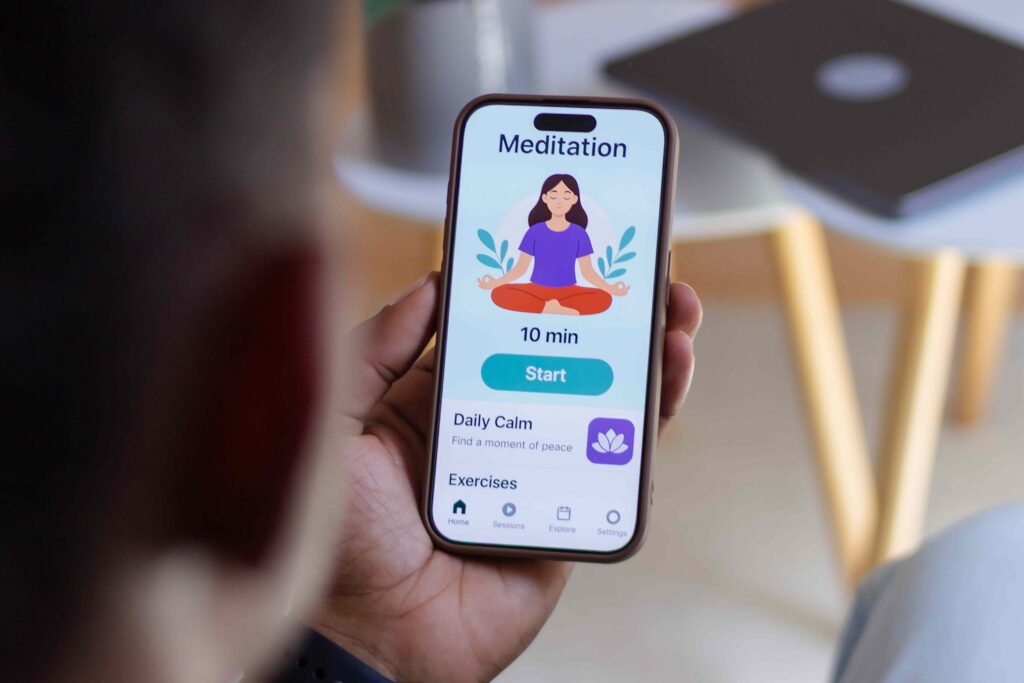
The anxiety-specific content includes breathing exercises, body scans, and masterclasses taught by mindfulness experts. The app’s Daily Calm feature provides a new 10-minute meditation every day, perfect for establishing routine. Background sounds like rain, ocean waves, and crackling fire can be played independently or during meditation sessions.
Calm’s visual design is intentionally soothing, with nature scenes and gentle animations that immediately create a sense of tranquility when you open the app. This attention to aesthetic detail contributes significantly to its effectiveness. 🌊
Sanvello: CBT in Your Pocket
Sanvello (formerly Pacifica) stands out for its strong foundation in Cognitive Behavioral Therapy principles. The app helps users identify thought patterns, challenge negative thinking, and develop healthier cognitive responses to anxiety triggers.
One of Sanvello’s most powerful features is its mood tracking system. By regularly logging your emotional state, you begin to identify patterns—what situations, times of day, or activities correlate with increased anxiety. This self-awareness is crucial for developing effective coping strategies.
The app also includes guided journeys (structured programs addressing specific issues), peer support communities, and tools for tracking health behaviors like exercise, sleep, and medication. Premium members can access coaching sessions with trained professionals, bridging the gap between self-help and professional support.
Rootd: Specifically for Panic and Anxiety
Rootd was created specifically for people dealing with panic attacks and anxiety disorders. Its interface is refreshingly straightforward, recognizing that when you’re in the middle of a panic attack, you need immediate help—not complicated navigation.
The “Rootr” feature provides instant relief during panic attacks through guided breathing and grounding exercises. The voice guidance is calming but directive, helping you regain control when everything feels overwhelming. The app also includes lessons about anxiety physiology—understanding what’s happening in your body during anxious episodes can significantly reduce their power.
Long-term, Rootd offers a journey program that gradually helps desensitize users to anxiety sensations and builds resilience. The emergency contact feature allows you to quickly reach out to trusted people during crisis moments. 🆘
Science-Based Techniques These Apps Employ
Breathing Exercises: The Foundation of Calm
Nearly every effective anxiety app includes guided breathing exercises, and for good reason—controlled breathing is one of the fastest ways to activate your body’s relaxation response. Techniques like box breathing (inhale for 4, hold for 4, exhale for 4, hold for 4) and 4-7-8 breathing directly impact your nervous system.
When you’re anxious, your breathing becomes shallow and rapid, which signals danger to your brain and perpetuates the anxiety cycle. By deliberately slowing and deepening your breath, you send safety signals to your nervous system, reducing cortisol levels and heart rate.
Progressive Muscle Relaxation
This technique involves systematically tensing and releasing different muscle groups throughout your body. Many apps guide you through this process, starting with your toes and working up to your head. PMR helps you recognize where you hold tension and consciously release it.
The practice also gives your anxious mind something specific to focus on, interrupting rumination and worry cycles. Physical relaxation naturally leads to mental relaxation, making this a powerful dual-action technique.
Cognitive Restructuring Tools
Apps like Sanvello and MindShift excel at helping users identify and challenge distorted thinking patterns. Anxiety often involves catastrophic thinking, overgeneralization, and mind-reading—cognitive distortions that amplify worry beyond reality.
Through structured exercises, these apps teach you to examine evidence for your anxious thoughts, consider alternative explanations, and develop more balanced perspectives. Over time, this restructuring becomes automatic, fundamentally changing how you respond to potential stressors. 🧠
Features That Make Anxiety Apps Effective
Personalization and Adaptability
The most effective apps learn from your usage patterns and adapt accordingly. They might suggest different exercises based on time of day, offer content related to specific anxiety triggers you’ve identified, or adjust difficulty levels as you progress.
Personalization makes the experience feel tailored to your unique needs rather than generic advice. This relevance increases engagement and effectiveness significantly.
Progress Tracking and Insights
Being able to visualize your mental health journey is incredibly powerful. Apps that track meditation streaks, mood patterns, or anxiety levels over time help you see improvement that might otherwise go unnoticed.
These insights can also help you identify triggers and protective factors. Maybe your anxiety increases on days with less sleep, or decreases when you exercise. This data-driven self-knowledge empowers better decision-making about your wellbeing.
Community Support Features
Anxiety can feel isolating, but apps with community forums or peer support features remind you that millions of others share similar struggles. Reading others’ experiences, sharing your own, and receiving encouragement creates connection that reduces shame and isolation.
Some apps moderate these communities carefully to ensure they remain supportive and don’t become spaces for excessive venting or triggering content. This balance is crucial for therapeutic benefit.
Free vs. Premium: Making the Right Choice 💰
Most anxiety apps operate on a freemium model—basic features are free, with premium subscriptions unlocking additional content and capabilities. Free versions typically include fundamental meditation exercises, basic breathing techniques, and limited tracking features.
Premium subscriptions (usually $5-15 monthly) provide access to extensive content libraries, specialized courses, offline downloads, and sometimes one-on-one coaching. For many users, the free versions offer sufficient tools to make meaningful progress with anxiety management.
Consider starting with free versions of several apps to find which interface, teaching style, and approach resonates with you. If you find one particularly helpful, investing in premium features can deepen your practice significantly. Many apps offer free trials of premium content, allowing you to test before committing.
Integrating Apps into Your Anxiety Management Plan
Creating Consistent Routines
The key to success with anxiety apps isn’t downloading them—it’s using them consistently. Try anchoring app use to existing habits: meditation after your morning coffee, breathing exercises during your lunch break, or sleep stories as part of your bedtime routine.
Start small with just 5-10 minutes daily. This sustainable approach builds habits that stick, rather than overwhelming yourself with unrealistic expectations that lead to abandonment.
Using Apps During Acute Anxiety
While building long-term resilience is important, these apps also serve as emergency tools. Save your favorite quick exercises as favorites for easy access. Some apps allow you to create custom playlists of exercises specifically for panic attacks or pre-presentation nerves.
Practice these emergency techniques when you’re calm so they feel familiar and accessible when anxiety strikes. This preparation makes them far more effective in crisis moments. 🚨
Combining Digital Tools with Professional Care
If you’re working with a therapist or psychiatrist, share which apps you’re using. Many mental health professionals appreciate these tools and can help you integrate them into your broader treatment plan. Some therapists even assign specific app exercises as homework between sessions.
Apps provide valuable data you can discuss in therapy—patterns you’ve noticed, techniques that work or don’t work, and progress over time. This collaborative approach maximizes the benefits of both digital and professional support.
What to Look for When Choosing an Anxiety App
Not all mental health apps are created equal. When evaluating options, consider whether the app is developed with input from mental health professionals. Look for transparency about the evidence base behind techniques—reputable apps cite research supporting their approaches.
Privacy is crucial. Your mental health data is deeply personal, so review privacy policies carefully. Quality apps encrypt data, don’t sell information to third parties, and are transparent about how your information is used.
User experience matters too. An app meant to reduce anxiety shouldn’t have a confusing interface that creates more stress. Look for intuitive navigation, pleasing design, and quick access to emergency features when needed.
Beyond Apps: Building Comprehensive Anxiety Management 🌱
While anxiety apps are powerful tools, they work best as part of a holistic approach. Regular exercise, adequate sleep, balanced nutrition, social connection, and professional mental health care when needed all contribute to anxiety reduction.
Think of apps as one arrow in your quiver—valuable and effective, but most powerful when combined with other healthy practices. They lower barriers to accessing evidence-based techniques and provide structure for self-care, but they can’t replace the fundamental pillars of mental wellness.
Some users find that as they develop skills through apps, they naturally transition to independent practice without needing the digital guidance. Others continue using apps long-term as helpful companions. Both approaches are perfectly valid—use these tools in whatever way serves your wellbeing best.
Taking the First Step Toward Calmer Days
Anxiety doesn’t have to dominate your life. The apps we’ve explored offer accessible, evidence-based tools that genuinely help millions of people manage symptoms and build resilience. Whether you’re dealing with occasional stress or diagnosed anxiety disorders, these digital companions can provide valuable support on your mental health journey.
Start by choosing one or two apps that align with your preferences and needs. Commit to exploring them for at least two weeks—long enough to move past the learning curve and begin experiencing benefits. Be patient with yourself; building new coping skills takes time, but every small step contributes to lasting change.
Remember that seeking help—whether through apps, therapy, or both—is a sign of strength, not weakness. By taking active steps to manage your anxiety, you’re investing in a calmer, more fulfilling life. Your future self will thank you for starting today. ✨
