
Anúncios
Discover How to Recover Deleted Messages
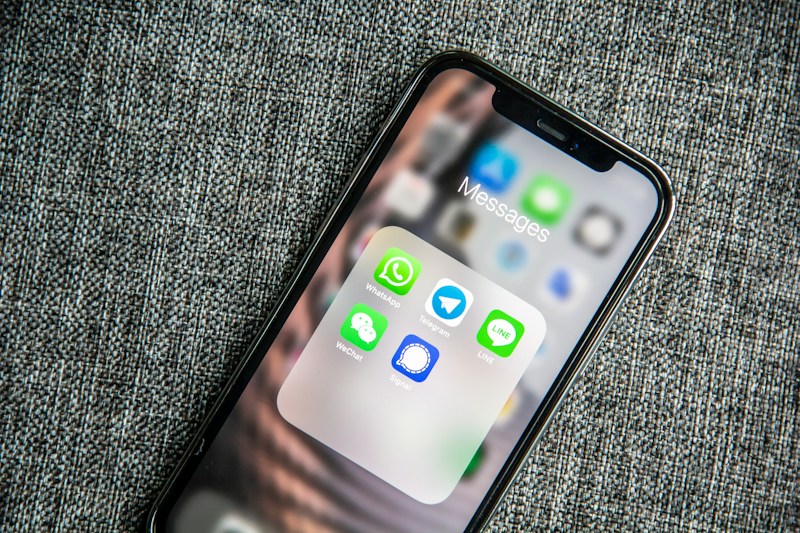
Check Deleted Messages Now
Have you ever experienced that frustrating moment when someone sends you a message and deletes it before you can read it? The curiosity kicks in, and you find yourself wondering what that message contained. Whether it’s a friend who second-guessed their words, a colleague who sent something by mistake, or someone trying to hide information from you, deleted messages have become a modern digital mystery that many people want to solve.
Fortunately, technology has evolved to address this common frustration. Today, there are several apps designed specifically to help you view deleted messages across various messaging platforms. These tools work in different ways, offering solutions for Android and iOS users who want to maintain transparency in their digital conversations. Let’s explore the best options available and how they can help you never miss another deleted message again. 📱
Why Do People Delete Messages?
Understanding the motivation behind message deletion can help you appreciate why recovery apps have become so popular. People delete messages for various reasons, ranging from innocent mistakes to more concerning intentions.
Sometimes, users simply make typing errors or send messages to the wrong person. In these cases, the delete function serves as a helpful correction tool. Other times, people delete messages after reconsidering their tone or content, worried they might have come across too harshly or inappropriately.
However, there are also situations where deleted messages raise red flags. In relationships, deleted messages might indicate someone is hiding conversations they don’t want their partner to see. In professional settings, deleted messages could represent attempts to eliminate evidence of commitments or agreements. Whatever the reason, having access to deleted messages can provide valuable context and peace of mind.
How Do Message Recovery Apps Actually Work? 🔍
The technology behind these apps is fascinating and relies on understanding how messaging platforms handle notifications and data storage. When someone sends you a message on WhatsApp, Telegram, or similar platforms, your phone receives a notification before you even open the app.
Message recovery apps intercept and save these notifications in real-time. Even if the sender deletes the message seconds later, the app has already captured the notification content and stored it locally on your device. This means you can access the original text, even though it’s been removed from the main messaging app.
It’s important to note that these apps don’t hack into messaging servers or break encryption. They simply work with the information that’s already publicly available to your device through the notification system. This is why they require notification access permissions to function properly.
Understanding the Limitations
While these apps are powerful, they do have limitations. Most importantly, they can only capture messages that arrive after you’ve installed and configured the app. They cannot retroactively recover messages that were deleted before installation. Additionally, if you’ve read a message in the original app before it was deleted, some recovery apps may not capture it since you’ve already dismissed the notification.
Top Apps for Viewing Deleted Messages on Android 📲
Android users have access to a wider variety of message recovery apps due to the platform’s more open architecture. Here are the most reliable options currently available:
WAMR – WhatsApp Message Recovery
WAMR stands out as one of the most comprehensive solutions for recovering deleted WhatsApp messages. This app doesn’t just capture text messages; it can also save deleted photos, videos, voice notes, and even status updates that have been removed.
The interface is clean and user-friendly, organizing recovered content by date and contact. WAMR works by monitoring your notification log and saving any incoming messages before they can be deleted. The app supports multiple messaging platforms, including WhatsApp, Facebook Messenger, Instagram, Twitter, and Telegram.
One particularly useful feature is the ability to filter notifications so you’re only monitoring specific contacts or conversations. This helps reduce storage usage and keeps your recovered messages organized.
Notification History Log
This lightweight app takes a simpler approach by maintaining a complete log of all notifications your device receives. While not specifically designed for message recovery, it effectively serves this purpose by creating a chronological record of everything that appears in your notification bar.
The advantage of Notification History Log is its minimalist design and low resource consumption. It doesn’t try to categorize or organize messages in fancy ways; instead, it simply presents a searchable archive of all notifications. This makes it perfect for users who want basic functionality without unnecessary features.
Nova Recover – Message Recovery
Nova Recover offers a balanced approach between functionality and simplicity. The app focuses specifically on popular messaging platforms and provides a dedicated interface for viewing recovered content.
What sets Nova Recover apart is its automatic backup system. The app not only captures deleted messages in real-time but also creates periodic backups of notification data. This redundancy ensures you won’t lose recovered messages even if you accidentally clear the app’s cache.
Options for iPhone Users 🍎
iOS users face more challenges when it comes to message recovery apps due to Apple’s strict privacy controls and limited notification access. However, there are still some workarounds and solutions available.
The iCloud Backup Method
While not a dedicated app, iCloud backups can help you recover deleted messages in certain circumstances. If you have automatic iCloud backups enabled for WhatsApp, you can restore your chat history to a previous backup point where the deleted message still existed.
The process involves uninstalling WhatsApp, reinstalling it, and choosing to restore from iCloud backup during setup. However, this method has significant drawbacks: you’ll lose any messages sent after the backup date, and the process is time-consuming.
Third-Party Computer Software
Several computer programs claim to recover deleted WhatsApp messages from iPhone backups. Programs like Dr.Fone, iMyFone, and Tenorshare UltData can scan your iTunes or iCloud backups and extract deleted message data.
These solutions typically require connecting your iPhone to a computer and running specialized software that analyzes your backup files. While they can be effective, they often come with subscription fees and may not work with the latest iOS versions due to encryption improvements.
Privacy and Ethical Considerations ⚖️
Before installing any message recovery app, it’s crucial to consider the privacy implications and ethical questions these tools raise. While curiosity about deleted messages is natural, using these apps touches on sensitive issues of trust and digital privacy.
From a privacy standpoint, these apps require extensive permissions to function. They need access to your notifications, which means they can potentially see sensitive information beyond just messaging apps. It’s essential to choose reputable apps from trusted developers and carefully review their privacy policies.
Ethically, using message recovery apps without informing your contacts creates a transparency imbalance in your relationships. While you’re not technically violating any laws by monitoring your own notifications, the practice can erode trust if discovered. Consider whether the need to see deleted messages outweighs the potential damage to relationships if people learn you’re using such tools.
Legal Perspectives
In most jurisdictions, using message recovery apps on your own device is perfectly legal. You’re simply accessing notification data that’s already being sent to your phone. However, using such apps on someone else’s device without their knowledge could constitute unauthorized access and may violate computer fraud laws.
Additionally, in some regions and contexts, recovered messages may not be admissible as evidence in legal proceedings, particularly if they were obtained without the other party’s consent. Always consult with legal counsel if you’re considering using recovered messages in any official capacity.
Setting Up Your Message Recovery App Successfully ⚙️
To get the most out of your chosen message recovery app, proper setup is essential. Here’s a comprehensive guide to ensure everything works correctly:
First, download your chosen app from the official Google Play Store or App Store. Avoid third-party sources, as these may contain modified versions with malware or privacy violations.
During installation, the app will request several permissions. For Android apps, you’ll need to grant notification access, storage permissions, and possibly accessibility services. Each permission serves a specific purpose: notification access lets the app monitor incoming messages, storage permissions allow it to save recovered content, and accessibility services help capture media files.
After granting permissions, configure the app’s settings according to your preferences. Most apps let you choose which messaging platforms to monitor, which contacts to focus on, and how long to retain recovered data. Adjust these settings to balance functionality with storage concerns.
Troubleshooting Common Issues
If your message recovery app isn’t capturing deleted messages, several factors might be responsible. First, ensure all necessary permissions are still enabled. Android’s battery optimization features sometimes disable background processes, preventing apps from monitoring notifications continuously.
Check your phone’s battery settings and add the message recovery app to any “do not optimize” or “allow background activity” lists. This ensures the app continues running even when you’re not actively using it.
Another common issue involves Android’s notification grouping features. Some phones group multiple messages into a single notification, which can prevent recovery apps from capturing individual message content. Disabling notification grouping for your messaging apps usually resolves this problem.
Alternative Methods: Beyond Dedicated Apps 💡
While dedicated message recovery apps are the most straightforward solution, several alternative methods can help you access deleted messages:
Notification Widget Approach
Some Android launchers include persistent notification widgets that display recent notifications even after they’ve been dismissed. By placing such a widget on your home screen, you create a secondary log of incoming messages that survives deletion.
This method doesn’t require installing additional apps and works entirely within your existing launcher setup. However, it’s limited to text-only content and doesn’t capture media files or longer messages that get truncated in notifications.
Smartwatch Integration
If you own a smartwatch paired with your smartphone, you already have a partial message recovery system. Smartwatches typically cache notifications locally, meaning deleted messages may still appear on your watch even after disappearing from your phone.
The extent of this functionality depends on your specific watch model and operating system. Some watches retain notifications for several hours or until manually dismissed, while others clear them more aggressively to save battery life.
Email Notification Forwarding
Several automation apps like IFTTT or Tasker can forward your messaging notifications to email automatically. This creates a permanent record of all incoming messages in your email inbox, effectively making message deletion irrelevant.
To set this up, create an automation that triggers whenever you receive a notification from specific messaging apps. The automation then sends an email to yourself containing the notification content. While this requires some technical setup, it provides a reliable backup that exists independently of your phone.
Comparing Features Across Popular Apps 📊
| App Name | Platform | Media Recovery | Multiple Services | Price |
|---|---|---|---|---|
| WAMR | Android | Yes | Yes | Free with ads |
| Notification History | Android | No | Yes | Free |
| Nova Recover | Android | Yes | Yes | Freemium |
| Dr.Fone | iOS (via PC) | Yes | Limited | $49.95+ |
| iCloud Backup | iOS | Yes | No | Free (5GB) |
Protecting Your Own Messages From Recovery 🔒
Understanding how message recovery apps work also helps you protect your own privacy. If you’ve deleted a message and don’t want the recipient to recover it, consider these strategies:
First, be aware that deleting a message doesn’t guarantee it’s truly gone if the recipient has already received the notification. The most reliable approach is to avoid sending sensitive content in the first place, or use messaging apps with more robust deletion features.
Apps like Signal and Telegram offer “disappearing messages” features that automatically delete content after a set time period. These features work on both ends of the conversation, removing messages from both devices and making recovery much more difficult.
For extremely sensitive communications, consider using end-to-end encrypted apps with screenshot protection and additional security features. Some apps can detect and notify you if the recipient takes screenshots, takes photos of their screen, or uses screen recording software.
The Future of Message Recovery Technology 🚀
As messaging platforms continue evolving their privacy features, message recovery apps must adapt to remain effective. The ongoing battle between deletion functionality and recovery capabilities drives innovation on both sides.
End-to-end encryption is becoming standard across major messaging platforms, which ironically makes message recovery apps more important. Since encrypted messages can’t be intercepted in transit, notification-based recovery remains one of the few viable methods for accessing deleted content.
Artificial intelligence and machine learning are beginning to play roles in message recovery technology. Some experimental apps use AI to predict when messages might be deleted based on patterns in conversation flow, automatically prioritizing these messages for backup.
Cloud-based recovery services represent another emerging trend. Instead of storing recovered messages locally on your device, some new services upload them to secure cloud storage. This protects against data loss if your phone is damaged or reset, though it introduces additional privacy considerations.
Making the Right Choice for Your Needs ✅
Selecting the best message recovery app depends on your specific situation, device type, and privacy comfort level. Android users seeking comprehensive functionality should consider WAMR or similar full-featured apps that capture both text and media content.
If you prefer minimalist solutions that consume fewer resources, notification history apps offer basic functionality without unnecessary features. These lightweight options work well for users who primarily care about text messages and don’t need media recovery.
iPhone users face more limited options but can achieve reasonable results through backup-based methods or computer software solutions. The trade-off involves more complex processes and less real-time functionality compared to Android alternatives.
Regardless of which approach you choose, remember that these tools work best when installed proactively. You cannot recover messages that were deleted before you set up your recovery system. Install and configure your chosen solution now, rather than waiting until after you’ve missed an important deleted message.
The world of deleted message recovery continues evolving alongside messaging technology itself. While platforms add more sophisticated deletion features, recovery tools develop new methods to preserve notification content. Understanding both sides of this equation empowers you to make informed decisions about digital privacy, transparency, and communication in your relationships and professional life. 🌟
