
Anúncios
Discover Real Diamonds with Technology
Download Now
The world of gemstones has always been shrouded in mystery and fascination. For centuries, people have sought ways to distinguish genuine diamonds from imitations, relying on expert jewelers and expensive testing equipment. Today, however, technology has revolutionized this process, bringing diamond detection capabilities right to your smartphone. 💎
Diamond detection apps represent a breakthrough in gemstone authentication, offering consumers and professionals alike a convenient way to verify the authenticity of stones before making significant investments. These applications combine scientific principles with modern smartphone technology to provide instant, accessible testing solutions that were once only available in specialized laboratories.
Understanding How Diamond Detection Apps Work
Diamond detection applications utilize multiple smartphone sensors and sophisticated algorithms to analyze gemstone properties. The technology behind these apps is based on fundamental differences between natural diamonds, lab-grown diamonds, and common imitations like cubic zirconia or moissanite.
Most apps employ the smartphone’s camera and flash to examine how light interacts with the stone. Authentic diamonds have unique optical properties, including high refractive index and exceptional brilliance, which create distinctive patterns when light passes through them. The app’s algorithm analyzes these patterns, comparing them against a database of known diamond characteristics.
The Science Behind Smartphone Diamond Testing
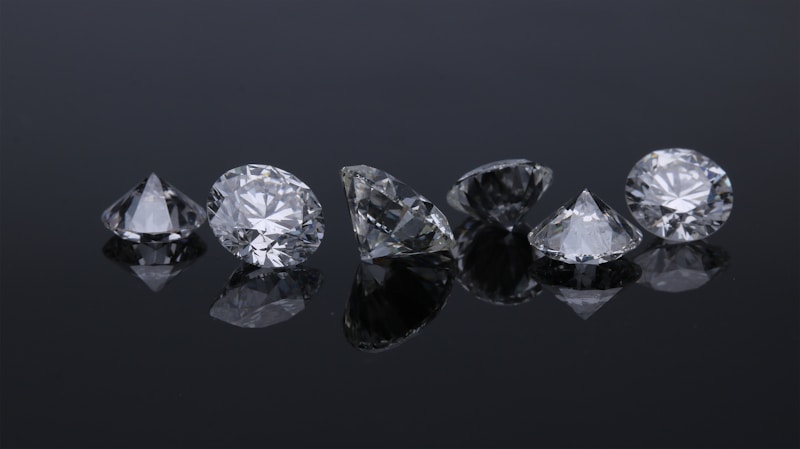
Natural diamonds possess a refractive index of approximately 2.42, significantly higher than most diamond simulants. When light enters a diamond, it bends at specific angles, creating the famous sparkle and fire that makes diamonds so desirable. Detection apps measure these optical behaviors using your phone’s camera sensors.
Additionally, some advanced apps incorporate thermal conductivity testing. Diamonds are exceptional heat conductors, dispersing heat almost instantly when touched. While smartphone apps can’t directly measure thermal conductivity, they can guide users through manual tests and interpret results based on user observations. 🔬
Key Features to Look for in Diamond Detection Apps
When selecting a diamond detection application, certain features distinguish exceptional tools from basic offerings. Understanding these capabilities helps you choose an app that meets your specific needs, whether you’re a casual shopper or a jewelry professional.
- Real-time camera analysis: The ability to examine stones instantly through your phone’s camera without uploading photos
- Comprehensive material database: Recognition of various diamond simulants including moissanite, cubic zirconia, white sapphire, and glass
- Educational resources: Built-in guides explaining diamond characteristics, the 4Cs, and authentication methods
- Result confidence ratings: Percentage-based accuracy indicators for each test performed
- Testing history: Log of previous tests for comparison and record-keeping
- Professional certification integration: Links to verified gemological laboratories for formal certification
Step-by-Step Guide to Using Diamond Detection Apps
Getting accurate results from diamond detection apps requires proper technique and optimal testing conditions. Following these best practices ensures you maximize the app’s capabilities and receive the most reliable assessments possible.
Preparing Your Testing Environment
Begin by cleaning both the gemstone and your smartphone lens. Fingerprints, dust, or oils can interfere with light transmission and distort results. Use a lint-free cloth for your phone and appropriate jewelry cleaning solution for the stone. Ensure you have adequate lighting—natural daylight is ideal, but bright, indirect artificial light works well too. ✨
Position yourself in a space with minimal background clutter. Many apps use contrast detection, and busy backgrounds can confuse the algorithm. A plain white or neutral surface provides the best testing backdrop.
Conducting the Test
Open the app and select the diamond testing function. Hold your phone steady, maintaining a consistent distance from the stone as indicated by the app’s guidelines—typically 2-4 inches. Most apps display an alignment guide on screen to help you position the stone correctly.
Slowly rotate the stone under the camera, allowing the app to capture multiple angles. This rotation reveals how light refracts through the gemstone from different perspectives, providing comprehensive data for analysis. The process usually takes 15-30 seconds, and the app will signal when sufficient data has been collected.
Limitations and Realistic Expectations
While diamond detection apps offer remarkable convenience, understanding their limitations is crucial for making informed decisions. These applications serve as excellent screening tools but shouldn’t replace professional gemological certification for high-value purchases.
Smartphone cameras, despite continuous improvements, cannot match the precision of specialized gemological equipment. Professional tools measure specific optical properties with extreme accuracy, detect inclusions invisible to phone cameras, and test physical characteristics beyond visual analysis. Apps provide probability assessments rather than definitive authentication. 📱
When Professional Testing Becomes Necessary
For diamonds valued over $1,000, engagement rings, inheritance jewelry, or stones with documentation claims, professional certification from laboratories like GIA, AGS, or IGI remains essential. These organizations provide legally recognized certificates that protect your investment and provide comprehensive stone analysis.
Apps excel at identifying obvious fakes and providing preliminary screening before consulting professionals. They’re perfect for casual jewelry shopping, estate sale browsing, or educational purposes, but significant purchases warrant expert verification.
Comparing Popular Diamond Detection Applications
The market offers several diamond detection apps, each with unique strengths and approaches to gemstone authentication. Evaluating these options helps you select the tool best suited to your requirements.
| Feature | Basic Apps | Advanced Apps | Professional Apps |
|---|---|---|---|
| Camera Analysis | Basic light reflection | Multi-angle scanning | Spectral analysis |
| Material Detection | Diamond vs. glass | Multiple simulants | Lab vs. natural distinction |
| Cost | Free | $2-10 | $20-50 or subscription |
| Accuracy Rate | 60-70% | 75-85% | 85-92% |
| Additional Tools | Basic guides | Educational content | Lab connections, reports |
Supplementary Testing Methods Apps Can Guide
The most effective diamond detection apps don’t rely solely on camera analysis. They incorporate instructions for multiple testing methods you can perform with household items, creating a comprehensive authentication approach.
The Fog Test Explained
Diamonds disperse heat instantly due to their exceptional thermal conductivity. Breathe on the stone as if fogging a mirror—genuine diamonds clear immediately, while simulants retain fog for several seconds. Quality apps provide video demonstrations of this test and help you interpret results accurately.
The Water Test Method
Real diamonds have high density and sink in water, while many imitations float or hover mid-glass. Apps guide you through this simple test, explaining that while it eliminates obvious fakes like glass, it won’t distinguish diamonds from dense simulants like cubic zirconia. 💧
Newspaper Reading Test
Place the stone face-down on printed text. Due to extreme refraction, you cannot read through a real diamond—the letters become distorted or invisible. Many simulants, however, allow text to remain somewhat visible. Apps provide interpretation guidelines for this classic test.
The Economic Impact of Detection Technology
Diamond detection apps democratize gemstone authentication, protecting consumers from fraud while influencing the broader jewelry market. This technological accessibility creates more informed buyers and encourages industry transparency.
Before smartphone testing tools, consumers relied entirely on seller honesty or paid for professional appraisals before every purchase. This created information asymmetry favoring sellers. Now, preliminary testing costs nothing, shifting power toward buyers and increasing accountability throughout the sales chain.
Effects on the Synthetic Diamond Market
Lab-grown diamonds represent a growing market segment, offering identical chemical composition to natural stones at lower prices. Detection apps help consumers understand what they’re purchasing, whether natural, lab-created, or simulant, supporting informed decision-making rather than accidental misrepresentation. 💍
Enhancing App Accuracy with Proper Technique
Users who understand gemstone properties and proper testing methodology achieve significantly better results than those who simply point and shoot. Developing basic diamond knowledge amplifies app effectiveness.
Learn about the 4Cs—cut, clarity, color, and carat weight. While apps primarily test authenticity rather than quality, understanding these factors helps you recognize when results don’t match expectations. A poorly cut genuine diamond might produce different optical patterns than a perfectly cut cubic zirconia.
Recognizing Common False Positives
Certain conditions produce misleading results. Extremely dirty stones, colored diamonds, heavily included diamonds, and unusual cuts can confuse algorithms designed for standard brilliant-cut clear stones. Quality apps acknowledge these limitations and recommend professional testing when results appear inconsistent.
Privacy and Security Considerations
Like all smartphone applications, diamond detection tools require certain permissions and may collect user data. Understanding these privacy implications protects your personal information while using these convenient services.
Most legitimate apps request camera access exclusively—essential for their primary function. Be cautious of apps demanding unnecessary permissions like contacts, location, or file access. Read privacy policies to understand data collection practices, particularly regarding test photos and results. 🔒
Future Developments in Mobile Gemstone Testing
Smartphone technology continues advancing rapidly, promising even more sophisticated diamond detection capabilities in coming years. Emerging innovations will further narrow the gap between consumer apps and professional equipment.
Improved camera sensors with enhanced spectral analysis capabilities will detect subtle differences invisible to current technology. Some manufacturers are exploring integrated spectrometers in flagship phones, enabling precise measurement of light wavelengths interacting with gemstones.
Artificial Intelligence and Machine Learning Integration
Next-generation apps will leverage AI trained on millions of gemstone images, recognizing patterns imperceptible to programmed algorithms. Machine learning models improve continuously as more users conduct tests, creating increasingly accurate systems that adapt to new simulant types as they enter the market.
Augmented reality features may overlay real-time authentication information directly onto camera views, highlighting specific optical phenomena as you examine stones. This educational overlay helps users understand what they’re observing and why certain indicators matter. 🤖
Making Confident Purchasing Decisions
Diamond detection apps empower consumers but work best as part of a comprehensive buying strategy. Combining technology with traditional wisdom and professional resources creates the most secure purchasing approach.
Always request certification for significant purchases regardless of app results. Reputable sellers provide GIA or equivalent certificates willingly. If a seller discourages independent testing or certification verification, consider that a warning sign worthy of walking away.
Purchase from established jewelers with return policies and reputation stakes. Apps provide excellent screening tools when shopping estate sales, online marketplaces, or traveling abroad where verification options are limited. They’re your first line of defense, not your only protection.
Educational Value Beyond Authentication
Beyond practical authentication, diamond detection apps serve as excellent educational tools for anyone interested in gemology. They transform abstract concepts about refraction, dispersion, and optical properties into tangible, observable phenomena.
Many apps include comprehensive guides explaining diamond formation, mining, cutting techniques, and grading standards. This knowledge enriches your appreciation for fine jewelry while making you a more discerning consumer. Understanding why diamonds appear as they do deepens the emotional connection to these remarkable stones. 📚
Choosing the Right App for Your Needs
Your ideal diamond detection app depends on your specific situation and frequency of use. Casual shoppers need different features than jewelry enthusiasts or professionals supplementing traditional tools.
Occasional users benefit from free apps offering basic authenticity screening without financial commitment. These tools suffice for preliminary checks before requesting professional certification or deciding whether to pursue a potential purchase further.
Frequent jewelry shoppers, collectors, or those in the industry should invest in premium apps with advanced features, comprehensive databases, and regular updates. The modest cost quickly pays for itself through enhanced confidence and fraud prevention.

Maximizing Your Diamond Knowledge Journey
Diamond detection apps represent just one tool in developing gemstone expertise. Pairing technology with traditional learning creates well-rounded knowledge that serves you throughout a lifetime of jewelry appreciation and collecting.
Visit local jewelers and ask questions. Most professionals enjoy discussing their craft and sharing knowledge with genuinely interested customers. Handle various stones, observing differences between diamonds, moissanites, and other gems firsthand. This tactile experience complements app-based learning beautifully. ✨
Consider gemology courses, even introductory ones, through organizations like GIA. These programs provide structured education covering everything from crystal structure to market economics. Combined with practical app experience, formal education creates expertise that protects your investments and enriches your passion.
The intersection of ancient gemstone fascination and modern technology has created unprecedented access to diamond authentication. While no smartphone app replaces professional certification for valuable stones, these tools provide immediate, convenient screening that protects consumers and promotes transparency. By understanding both capabilities and limitations, you harness technology effectively while maintaining appropriate caution for significant purchases. Diamond detection apps democratize knowledge once restricted to experts, empowering everyone to make more informed decisions in the captivating world of fine jewelry. 💎
