
Anúncios
Understanding Your Brain’s Aging Process
Take the Free Test
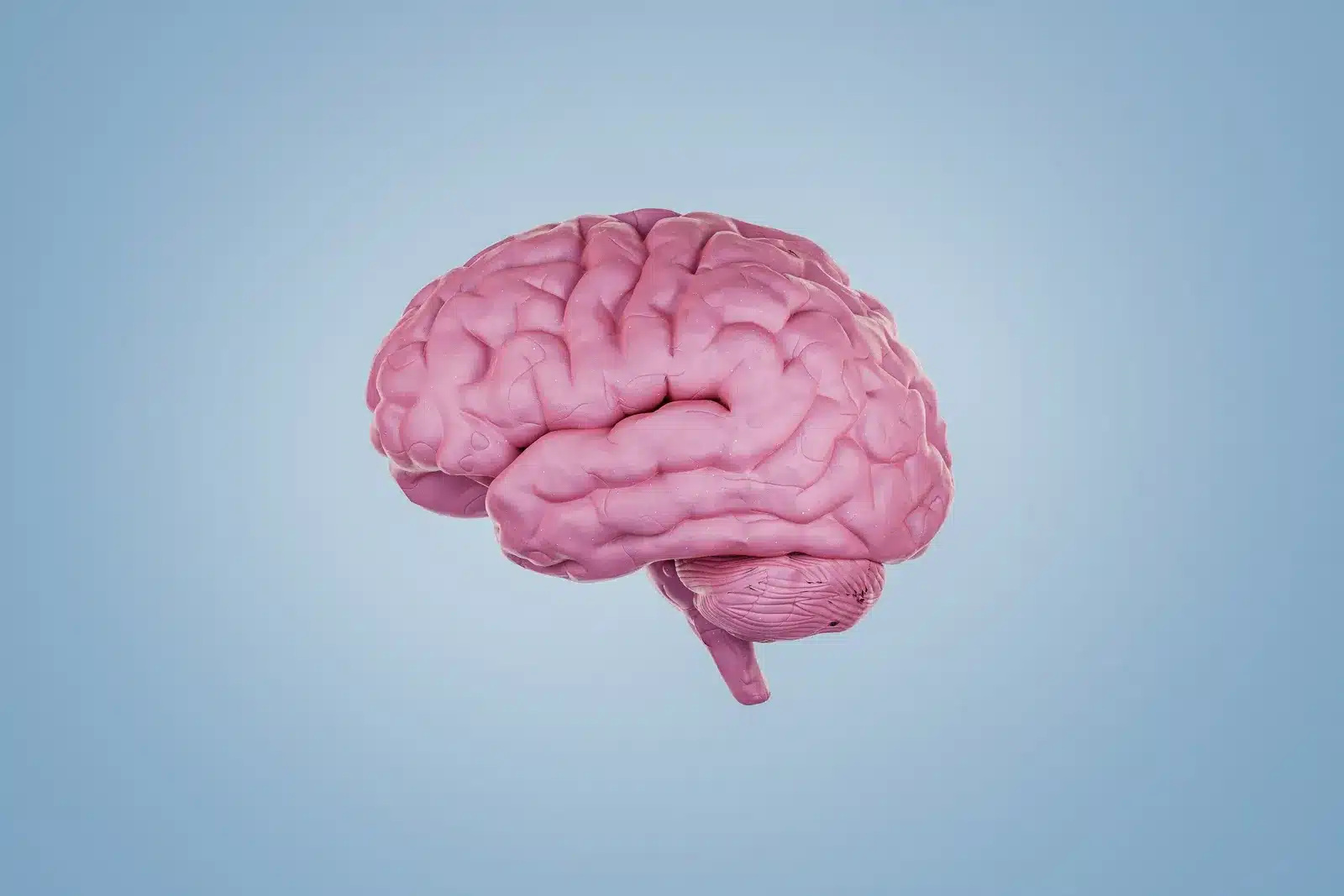
Your brain is the most complex organ in your body, responsible for everything from your memories to your personality. But just like the rest of your body, your brain ages over time. The question isn’t whether it will age—it’s how fast it’s aging and what you can do about it. Understanding the pace of your brain’s aging can be the key to maintaining cognitive sharpness well into your golden years. 🧠
The good news? Brain aging isn’t entirely out of your control. With the right knowledge and tools, you can identify early warning signs and take proactive steps to slow down the process. Whether you’re noticing occasional forgetfulness or simply want to maintain your mental edge, discovering where you stand is the first step toward preserving your cognitive vitality.
What Does Brain Aging Actually Mean? 🤔
Brain aging refers to the gradual changes that occur in your brain’s structure and function as you grow older. Unlike a muscle that simply weakens from disuse, your brain undergoes complex transformations that affect everything from processing speed to memory formation. These changes are natural, but their severity and timing can vary dramatically from person to person.
As we age, our brains typically experience a reduction in volume, particularly in the frontal cortex and hippocampus—regions critical for memory and executive function. Neurotransmitter production may slow down, and the communication between neurons can become less efficient. Blood flow to the brain may also decrease, potentially affecting cognitive performance.
However, it’s crucial to understand that not all brain changes are negative. The aging brain can also develop increased wisdom, better emotional regulation, and improved pattern recognition. The key is distinguishing between normal aging and accelerated decline that might signal underlying issues.
The Difference Between Normal Aging and Cognitive Decline
Many people confuse normal age-related changes with pathological decline. Occasionally forgetting where you placed your keys is normal; consistently forgetting what keys are for is not. Understanding this distinction can help you recognize when it’s time to take action rather than dismissing concerning symptoms as “just getting older.” 🔑
Normal brain aging might include slower information processing, occasional word-finding difficulties, or needing more time to learn new skills. Pathological decline, on the other hand, involves progressive memory loss that disrupts daily life, confusion about time or place, difficulty completing familiar tasks, or significant changes in judgment.
Common Signs Your Brain Might Be Aging Faster Than It Should ⚠️
Recognizing the warning signs early can make all the difference. While everyone’s experience is unique, certain indicators suggest your brain might be aging faster than expected for your chronological age.
- Frequent memory lapses that go beyond normal forgetfulness, such as repeatedly asking the same questions or forgetting important dates and events
- Difficulty concentrating on tasks that previously required minimal effort, or finding yourself easily distracted
- Slower processing speed when making decisions, solving problems, or responding to questions
- Language difficulties including trouble finding the right words or following conversations
- Reduced spatial awareness leading to getting lost in familiar places or difficulty judging distances
- Mood changes such as increased irritability, anxiety, or depression without clear external causes
- Decreased initiative or motivation to engage in previously enjoyed activities
If you’re experiencing several of these symptoms regularly, it doesn’t necessarily mean you have a serious condition, but it does warrant further investigation. Taking a comprehensive brain health assessment can provide valuable insights into your cognitive status.
What Accelerates Brain Aging? The Science-Backed Culprits 🔬
Understanding what speeds up brain aging empowers you to make lifestyle changes that protect your cognitive health. Research has identified several key factors that can accelerate the aging process in your brain.
Chronic Inflammation and Oxidative Stress
Your brain is particularly vulnerable to inflammation and oxidative damage. When your body’s inflammatory response becomes chronic rather than acute, it can damage brain cells and interfere with neural communication. Similarly, oxidative stress—caused by an imbalance between free radicals and antioxidants—can harm cellular structures including DNA, proteins, and lipids in brain tissue.
Poor diet, chronic stress, lack of sleep, and environmental toxins all contribute to increased inflammation and oxidative stress. These processes create a vicious cycle that accelerates cognitive decline if left unchecked.
Cardiovascular Health Problems
What’s bad for your heart is bad for your brain. Conditions like high blood pressure, high cholesterol, and diabetes can damage blood vessels, reducing blood flow to the brain. Since your brain requires approximately 20% of your body’s oxygen and nutrients despite representing only 2% of body weight, any reduction in blood supply can have serious consequences. 💓
Studies consistently show that people with cardiovascular risk factors experience faster cognitive decline and have higher rates of dementia later in life. Managing these conditions isn’t just about protecting your heart—it’s about preserving your mind.
Sedentary Lifestyle and Physical Inactivity
Your brain thrives on movement. Physical activity increases blood flow to the brain, promotes the growth of new neurons, enhances the connections between brain cells, and triggers the release of beneficial proteins called neurotrophic factors. Conversely, a sedentary lifestyle deprives your brain of these benefits.
Research shows that even moderate physical activity can significantly slow brain aging. You don’t need to run marathons—regular walking, swimming, or gardening can make a substantial difference in maintaining cognitive function.
Poor Sleep Quality and Sleep Disorders
Sleep is when your brain performs essential maintenance, including clearing out toxic proteins that accumulate during waking hours. Chronic sleep deprivation or poor sleep quality interferes with this critical process, allowing harmful substances to build up. One such protein, beta-amyloid, is closely associated with Alzheimer’s disease. 😴
Sleep disorders like sleep apnea are particularly concerning because they repeatedly interrupt breathing during sleep, reducing oxygen supply to the brain and potentially causing long-term damage.
Chronic Stress and Mental Health Issues
Prolonged stress floods your brain with cortisol, a hormone that in excessive amounts can damage the hippocampus—the brain’s memory center. Depression and anxiety also accelerate brain aging through various mechanisms, including inflammation, reduced neuroplasticity, and behavioral changes that negatively impact overall health.
Why Taking a Brain Health Assessment Matters 📊
Many people avoid brain health assessments out of fear of what they might discover. However, knowledge is power when it comes to cognitive health. Understanding your current status allows you to establish a baseline and track changes over time.
A comprehensive brain health assessment can identify subtle changes before they become noticeable in daily life. Early detection means early intervention, which dramatically improves outcomes. Many cognitive changes are reversible or manageable when caught early, especially when they’re caused by treatable factors like vitamin deficiencies, medication side effects, or thyroid problems.
Free online brain health tests provide accessible screening tools that can indicate whether you should seek professional evaluation. While they’re not diagnostic tools, they offer valuable preliminary insights into your cognitive functioning across various domains like memory, attention, processing speed, and executive function.
Proven Strategies to Slow Down Brain Aging 🛡️
The exciting news from neuroscience research is that your brain remains remarkably plastic throughout life. This means it can form new connections, adapt to challenges, and even generate new neurons in certain regions. By adopting brain-healthy habits, you can significantly slow the aging process.
Nourish Your Brain with the Right Foods
Your diet directly impacts brain health. The Mediterranean diet, rich in vegetables, fruits, whole grains, fish, olive oil, and nuts, has been repeatedly shown to protect against cognitive decline. This eating pattern provides antioxidants that combat oxidative stress, omega-3 fatty acids that support neural structure, and anti-inflammatory compounds that protect brain cells.
Specific brain-boosting foods include:
- Fatty fish like salmon, sardines, and mackerel (rich in omega-3s)
- Berries, especially blueberries (loaded with antioxidants)
- Leafy greens like spinach and kale (high in brain-protective vitamins)
- Nuts and seeds, particularly walnuts (contain beneficial fats and vitamin E)
- Dark chocolate with high cocoa content (improves blood flow to the brain)
- Green tea (contains compounds that enhance brain function)
Exercise Your Body to Sharpen Your Mind
Physical exercise is perhaps the most powerful tool for protecting your brain. Aim for at least 150 minutes of moderate aerobic activity per week, combined with strength training exercises. Activities that combine physical and cognitive challenges—like dancing, tennis, or martial arts—provide extra benefits. 💪
Exercise doesn’t just maintain existing brain function; it can actually improve it. Studies show that regular physical activity can increase the size of the hippocampus, the brain region involved in memory and learning, and improve connectivity throughout the brain.
Challenge Your Brain with Mental Stimulation
Your brain needs challenges to stay sharp. Engage in activities that push you slightly beyond your comfort zone. Learning a new language, playing a musical instrument, solving puzzles, reading complex material, or taking up a new hobby all build cognitive reserve—the brain’s resilience against age-related changes.
The key is novelty and complexity. Repeating the same crossword puzzle format every day provides less benefit than trying varied mental challenges. Mix it up with different types of cognitive activities to exercise multiple brain regions.
Prioritize Quality Sleep
Aim for 7-9 hours of quality sleep per night. Establish a consistent sleep schedule, create a relaxing bedtime routine, keep your bedroom cool and dark, and limit screen time before bed. If you suspect you have a sleep disorder like sleep apnea, seek professional evaluation and treatment. 🌙
Good sleep hygiene isn’t optional for brain health—it’s essential. During deep sleep stages, your brain literally cleans itself, removing toxic proteins that accumulate during the day.
Manage Stress Effectively
Chronic stress is toxic to the brain, but stress management techniques can protect against damage. Regular meditation, deep breathing exercises, yoga, spending time in nature, or engaging in enjoyable hobbies all help regulate stress hormones and protect brain health.
Even brief daily practices make a difference. Just 10-15 minutes of meditation per day has been shown to reduce cortisol levels and improve attention and emotional regulation.
Maintain Strong Social Connections
Social isolation accelerates cognitive decline, while strong social networks protect brain health. Regular meaningful interactions with friends and family, participation in group activities, volunteering, or joining clubs provide cognitive stimulation and emotional support that benefit your brain.
Interestingly, the quality of social connections matters more than quantity. A few close, supportive relationships provide more cognitive benefits than numerous superficial acquaintances. 👥
Understanding Your Test Results: What Comes Next? 📋
After taking a brain health assessment, you’ll likely receive scores across different cognitive domains. Understanding what these results mean helps you take appropriate action.
If your results show normal cognitive function for your age, that’s excellent news—but not a reason for complacency. Use this as motivation to maintain brain-healthy habits that will preserve your cognitive abilities. Consider retaking the assessment periodically (every 6-12 months) to track your baseline over time.
If results suggest some areas of concern, don’t panic. Many factors can temporarily affect cognitive performance, including stress, poor sleep the night before testing, certain medications, or even anxiety about the test itself. More importantly, many causes of cognitive decline are treatable.
When to Seek Professional Evaluation
Schedule an appointment with your healthcare provider if your screening test suggests significant concerns, if you or loved ones notice progressive cognitive changes, or if memory problems interfere with daily activities. A comprehensive medical evaluation can identify treatable causes such as:
- Vitamin B12 deficiency
- Thyroid disorders
- Medication side effects
- Depression
- Sleep disorders
- Hearing or vision problems
- Chronic infections
Your doctor may recommend blood tests, imaging studies, or referral to a neurologist or neuropsychologist for more detailed assessment. Early professional evaluation leads to better outcomes, so don’t delay if you have concerns.
The Power of Prevention: Starting Today Makes a Difference 🌟
Brain aging begins earlier than most people realize—changes can start in your 30s and 40s. However, this also means the protective strategies you implement today have decades to compound their benefits. You don’t need to wait until you notice problems to start protecting your brain health.
Think of brain health like a savings account. Every positive choice you make—each nutritious meal, every workout, all the quality sleep, each new skill learned—makes a deposit into your cognitive reserve. Over time, these deposits accumulate, providing a buffer against age-related changes and potential brain injuries or diseases.
The most encouraging finding from recent neuroscience research is that it’s never too late to start. Whether you’re 25 or 75, your brain can still benefit from healthier lifestyle choices. Studies show that even people in their 70s and 80s who adopt brain-healthy habits experience cognitive improvements.
Taking Control of Your Cognitive Future 🚀
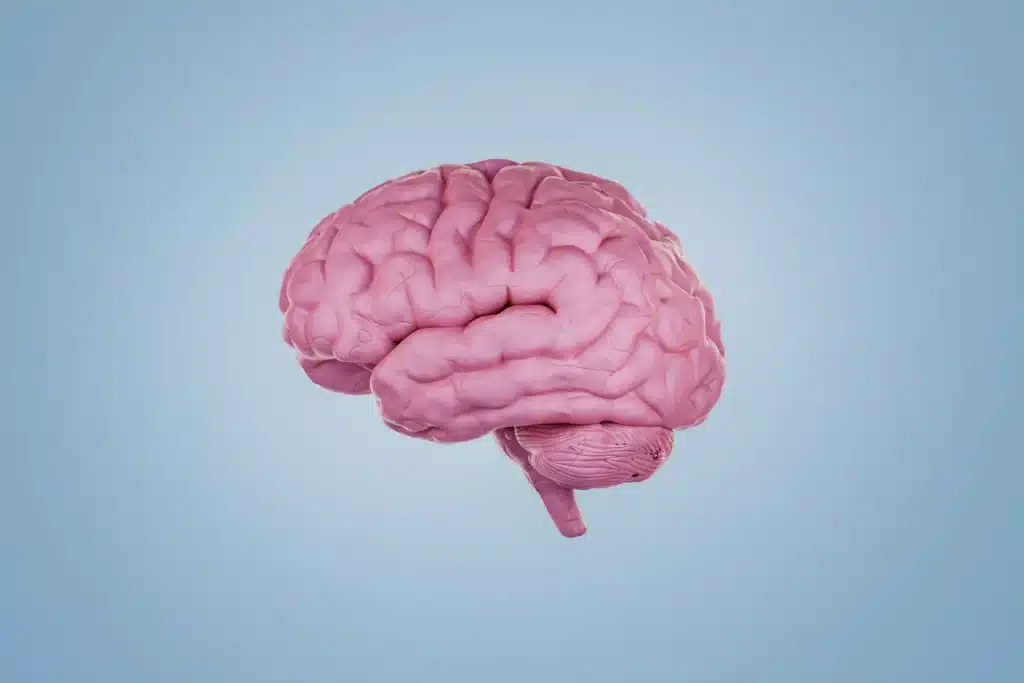
Your brain’s aging trajectory isn’t predetermined by genetics alone. While you can’t control every factor, lifestyle choices account for a substantial portion of cognitive aging. By taking a proactive approach—starting with a baseline assessment and implementing evidence-based protective strategies—you can significantly influence your cognitive health for years to come.
The free brain health assessment available through trusted resources provides an accessible starting point for anyone concerned about cognitive aging. It takes just minutes to complete but offers insights that could shape decades of your future. Combined with the lifestyle strategies outlined above, you have powerful tools to maintain mental sharpness and quality of life as you age.
Remember, your brain is incredibly resilient and adaptable. With the right knowledge, habits, and interventions, you can keep it functioning optimally for many years. The question isn’t whether your brain is aging—it’s whether you’re doing everything possible to ensure it ages well. Start your assessment today and take the first step toward a sharper, healthier cognitive future. 🧠✨
