
Anúncios
# HTML Article: WhatsApp fora do ar hoje: o que está acontecendo e como resolver
WhatsApp Down: Understanding and Fixing Connection Issues
Get Help Now
There’s nothing more frustrating than reaching for your phone to send an important message, only to discover that WhatsApp isn’t working. Whether you’re trying to coordinate with colleagues, chat with family, or manage your business communications, a WhatsApp outage can feel like being disconnected from the world. With over 2 billion users globally, even a brief interruption affects millions of people simultaneously.
Understanding why WhatsApp goes down and how to troubleshoot connection problems can save you valuable time and reduce stress. While some issues are beyond your control—like server outages affecting entire regions—many common problems have simple solutions you can implement immediately. Let’s explore what causes these disruptions and how you can get back online quickly. 📱
Why WhatsApp Suddenly Stops Working 🔍
WhatsApp relies on a complex infrastructure of servers, internet connections, and mobile networks to function seamlessly. When any component in this chain experiences problems, you might find yourself unable to send messages, make calls, or even open the app properly.
Server outages at Meta (WhatsApp’s parent company) represent one of the most common causes of widespread disruptions. These incidents typically affect thousands or millions of users simultaneously across specific regions or globally. During such events, the problem lies entirely with WhatsApp’s infrastructure, meaning no amount of troubleshooting on your device will restore service until engineers resolve the issue.
However, individual connection problems are far more frequent than global outages. Your internet connection quality, device settings, app version, or even your phone’s storage capacity can all prevent WhatsApp from working correctly. Distinguishing between a personal technical issue and a broader service disruption is the first step toward finding a solution.
How to Confirm If WhatsApp Is Really Down 🌐
Before spending time troubleshooting your device, it’s essential to determine whether the problem is widespread or isolated to your account. Several reliable methods can help you verify WhatsApp’s current status within minutes.
Social media platforms like Twitter (X) become real-time information hubs during outages. Searching for terms like “WhatsApp down” or checking trending topics often reveals whether thousands of other users are reporting similar issues. The speed at which complaints appear on social media typically correlates with the severity and reach of an outage.
Dedicated outage detection websites offer more systematic monitoring. Services like Downdetector track user reports and provide heat maps showing which geographic regions are experiencing problems. These platforms aggregate data from multiple sources, giving you a clear picture of whether an issue is localized or widespread.
Another effective strategy involves testing WhatsApp on different networks. Switch from Wi-Fi to mobile data (or vice versa) to determine if your connection method is causing the problem. If WhatsApp works on one network but not the other, you’ve identified a network-specific issue rather than a platform-wide outage.
Quick Fixes That Solve Most Connection Problems ⚡
When WhatsApp isn’t working, several straightforward troubleshooting steps resolve the majority of issues. These solutions require no technical expertise and take only a few minutes to implement.
Restart Your Device and App
The simplest solution often proves the most effective. Force-closing WhatsApp and reopening it clears temporary glitches that may have developed during normal use. If this doesn’t work, restart your entire phone to refresh all system processes and network connections. This basic step resolves connectivity issues more often than most users expect.
Check Your Internet Connection Quality
WhatsApp requires a stable internet connection to function. Test your connection by opening a web browser or another app that uses the internet. If other services aren’t working either, the problem lies with your network rather than WhatsApp specifically. Try toggling airplane mode on and off, which forces your phone to reconnect to available networks and can resolve temporary connection drops.
Update to the Latest Version
Running an outdated version of WhatsApp frequently causes compatibility issues and connection failures. App developers regularly release updates containing bug fixes and performance improvements. Visit your device’s app store and check whether an update is available. Installing the latest version often immediately resolves persistent problems that seemed mysterious moments before.
Clear Cache and Data
Over time, WhatsApp accumulates cache files that can become corrupted and interfere with normal operation. Clearing the app cache removes these temporary files without deleting your messages or media. On Android, navigate to Settings > Apps > WhatsApp > Storage > Clear Cache. On iPhone, you’ll need to uninstall and reinstall the app to achieve a similar effect, though this requires backing up your chats first.
When the Problem Is WhatsApp’s Server Infrastructure 🖥️
Global or regional WhatsApp outages occur when Meta’s server infrastructure experiences technical difficulties. These incidents range from minor hiccups affecting a small percentage of users to major disruptions that make headlines worldwide.
During legitimate server outages, no troubleshooting on your end will restore service. The engineering teams at Meta must identify and fix the underlying infrastructure problem before WhatsApp resumes normal operation. These situations test our patience but fortunately occur relatively infrequently.
Historical outages provide perspective on how these events unfold. In October 2021, WhatsApp, Facebook, and Instagram simultaneously went offline for approximately six hours—one of the most significant outages in social media history. The problem stemmed from configuration changes that disrupted communications between Meta’s data centers. During such incidents, all users can do is wait while monitoring official channels for updates.
Meta typically acknowledges major outages through their Twitter account and status pages. Following @WhatsApp on social media ensures you receive official updates during service disruptions. These channels provide estimated restoration times and explanations once engineers have diagnosed the problem.
Advanced Troubleshooting for Persistent Issues 🔧
When basic fixes don’t resolve your WhatsApp problems, more advanced troubleshooting techniques might be necessary. These methods address deeper technical issues that prevent the app from functioning correctly.
Check Date and Time Settings
Surprisingly, incorrect date and time settings on your device can prevent WhatsApp from connecting to servers. The app uses timestamps to synchronize messages, and significant discrepancies between your device clock and actual time cause authentication failures. Navigate to your phone’s settings and ensure automatic date and time are enabled. This allows your device to synchronize with network-provided time, eliminating potential conflicts.
Verify Phone Number and Registration
Connection issues sometimes stem from registration problems with your phone number. If you recently changed numbers or reinstalled WhatsApp, the app might not have properly verified your account. Try logging out and logging back in, which forces WhatsApp to revalidate your phone number through SMS verification. This process reestablishes your connection to WhatsApp’s authentication servers.
Review Network Restrictions
Some workplaces, schools, and countries implement network restrictions that block or limit WhatsApp functionality. Corporate firewalls might prevent WhatsApp calls while allowing messages, or restrictive networks might block the service entirely. If you suspect network restrictions, try connecting through a different network or VPN service to determine whether filtering is causing your connection problems.
Examine Storage Capacity
Insufficient storage space on your device prevents WhatsApp from downloading messages, media, and updates. Check your phone’s available storage and free up space if necessary by deleting unused apps, old photos, or cached files. WhatsApp requires adequate space to create temporary files during normal operation, and storage constraints can cause various mysterious connection issues.
What to Do During Extended Outages 💡
When WhatsApp experiences a prolonged outage affecting your region or the entire platform, you’ll need alternative communication methods to maintain connectivity with important contacts.
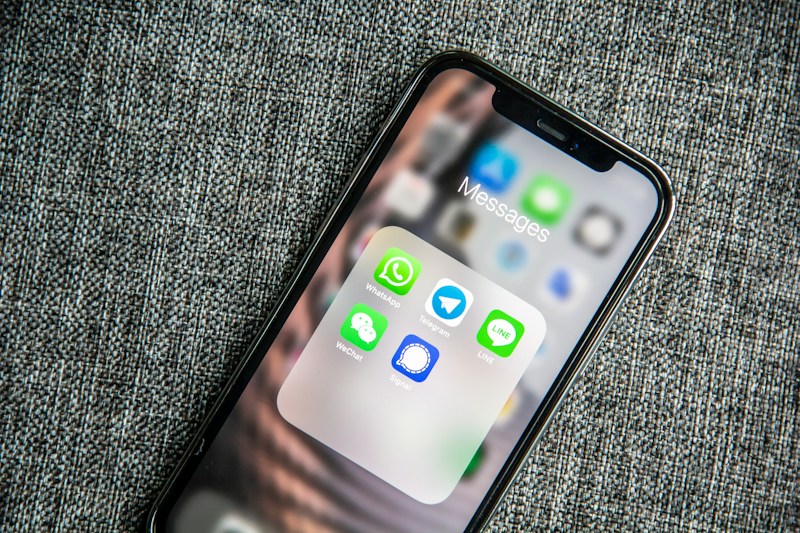
Having backup communication channels becomes essential during extended disruptions. Apps like Telegram, Signal, or traditional SMS provide alternatives for urgent messages. Many businesses maintain presence across multiple platforms precisely to ensure continuity when one service experiences problems.
During outages, avoid repeatedly uninstalling and reinstalling WhatsApp or changing critical settings. These actions can create additional problems once service resumes. Instead, exercise patience and periodically check whether connectivity has returned by simply opening the app.
Monitoring official Meta communication channels provides the most reliable information during outages. Third-party news sources often speculate about causes and restoration times, but only Meta’s official accounts offer accurate updates directly from engineering teams working to resolve the issue.
Preventing Future Connection Problems 🛡️
While you can’t prevent Meta’s servers from experiencing outages, you can minimize personal connection issues through proactive maintenance and smart habits.
Keep Your App Updated
Enable automatic updates for WhatsApp to ensure you’re always running the latest version. Developers continuously improve stability, fix bugs, and patch security vulnerabilities. Running outdated versions increases your likelihood of experiencing connection problems that have already been resolved in newer releases.
Maintain Adequate Storage Space
Regularly monitor your device’s storage capacity and maintain at least 1-2 GB of free space. This buffer allows WhatsApp and other apps to function smoothly without storage-related performance degradation. Consider periodically reviewing and deleting old media files from WhatsApp chats, as these consume significant space over time.
Use Stable Internet Connections
Whenever possible, connect to reliable Wi-Fi networks with strong signals. Weak or intermittent connections cause message delivery failures and connection drops. If you frequently experience issues on your home Wi-Fi, consider troubleshooting your router or contacting your internet service provider to improve connection quality.
Back Up Your Chats Regularly
Regular backups protect your conversation history against data loss during troubleshooting procedures. WhatsApp offers built-in backup features that sync your chats to Google Drive (Android) or iCloud (iPhone). Configure automatic daily backups so you never lose important conversations, even if you need to reinstall the app to resolve technical issues.
Understanding WhatsApp’s Technical Architecture 📡
Appreciating how WhatsApp’s infrastructure works helps explain why certain problems occur and why specific troubleshooting steps prove effective.
WhatsApp uses end-to-end encryption for all messages, meaning your communications pass through WhatsApp’s servers but remain encrypted throughout the journey. This security feature requires constant communication between your device and WhatsApp’s server infrastructure. Any disruption in this communication chain—whether from network problems, server issues, or device malfunctions—prevents messages from sending or receiving.
The app maintains persistent connections to WhatsApp servers to enable real-time message delivery. Your device constantly communicates with these servers, checking for new messages and sending status updates. This always-on architecture means network quality significantly impacts your WhatsApp experience. Even brief connection interruptions can cause temporary service disruptions.
WhatsApp Web and Desktop applications add another layer of complexity. These platforms connect to WhatsApp’s servers through your phone, which acts as the primary authentication device. If your phone loses connection or runs out of battery, WhatsApp Web stops functioning even if your computer has perfect internet connectivity.
When to Contact WhatsApp Support 📞
Most WhatsApp connection issues resolve through the troubleshooting steps outlined above. However, certain persistent problems require direct assistance from WhatsApp’s support team.
If you’ve exhausted all troubleshooting options and WhatsApp still won’t work—while other users report normal service—contact WhatsApp support through the app’s settings menu. Navigate to Settings > Help > Contact Us, where you can describe your issue and receive personalized assistance.
Account-related problems such as inability to verify your phone number, unexpected account suspensions, or missing conversations definitely warrant support contact. These issues often require intervention from WhatsApp’s technical team to resolve properly.
When contacting support, provide detailed information about your problem, including your device model, operating system version, WhatsApp version, and exact error messages you’re receiving. This information helps support technicians diagnose issues more quickly and provide accurate solutions.
The Bigger Picture: Why Service Reliability Matters 🌍
WhatsApp’s importance in modern communication extends far beyond casual conversations. For billions of people, the platform represents an essential tool for business operations, family connections, and access to information.
Small businesses in developing markets often rely entirely on WhatsApp for customer communication and transactions. When the service goes down, these businesses temporarily lose their primary sales channel, directly impacting their revenue and operations. This dependency highlights why service reliability matters tremendously for WhatsApp’s user base.
In many countries, WhatsApp serves as the primary internet communication platform, surpassing traditional SMS and phone calls in popularity. Outages can affect critical communications, from coordinating emergency responses to enabling remote work. This central role in global communication infrastructure means WhatsApp outages create ripple effects across economies and communities.
Meta invests heavily in infrastructure and engineering to minimize outages and improve service reliability. Despite these efforts, the complexity of serving billions of users across diverse networks and devices means occasional disruptions remain inevitable. Understanding this reality helps maintain perspective during frustrating outage experiences.
Staying Connected When WhatsApp Isn’t Available 🔄
Developing a multi-platform communication strategy ensures you maintain connectivity even when your preferred service experiences problems. Don’t rely exclusively on any single platform for critical communications.
Popular WhatsApp alternatives include Telegram, which offers similar features with a reputation for stability, and Signal, known for its enhanced privacy protections. Having accounts on multiple platforms and ensuring your important contacts also use these services creates communication redundancy.
Traditional SMS and phone calls remain valuable backup options despite being less feature-rich than modern messaging apps. Exchange phone numbers with critical contacts so you can reach them through cellular networks when internet-based services fail.
For business communications, consider maintaining presence across multiple channels including email, social media direct messages, and traditional customer service lines. This multi-channel approach ensures customers can always reach you regardless of which specific platform is experiencing technical difficulties.

Moving Forward With Confidence🚀
WhatsApp outages and connection problems, while frustrating, rarely last long and usually have straightforward solutions. By understanding common causes, knowing effective troubleshooting techniques, and maintaining realistic expectations about service reliability, you can navigate these disruptions with minimal stress.
Remember that most connection issues stem from simple causes like network problems or outdated app versions rather than serious technical malfunctions. Start with basic troubleshooting steps before moving to advanced techniques, and you’ll resolve the majority of problems within minutes.
When genuine service outages occur, patience becomes your most valuable asset. These events typically resolve within hours as Meta’s engineering teams work to restore normal operations. Use the downtime to explore alternative communication methods or simply take a brief break from digital connectivity.
Maintaining your device properly, keeping apps updated, and understanding how to verify service status empowers you to handle future WhatsApp disruptions confidently. With these tools and knowledge, you’re prepared to troubleshoot effectively and stay connected regardless of technical challenges that may arise. 💪
