
Anúncios
Transform Your Photos with Professional-Grade Editing Apps
Start Editing Now
In today’s visual-driven world, the difference between a good photo and a stunning one often lies in the editing. Whether you’re a social media influencer, professional photographer, or someone who simply wants their vacation photos to look magazine-worthy, professional-grade photo editing apps have become essential tools in our digital arsenal. The dramatic before-and-after transformations you see flooding Instagram and TikTok aren’t just reserved for experts with expensive software anymore. 📸
Modern mobile and desktop applications have democratized professional photo editing, bringing studio-quality results to your fingertips. With AI-powered enhancements, intuitive interfaces, and powerful tools that were once exclusive to Photoshop masters, anyone can now create jaw-dropping transformations that make viewers do a double-take. Let’s dive into the world of apps that deliver those striking before/after results that truly stand out.
Anúncios
Why Professional-Style Editing Makes All the Difference
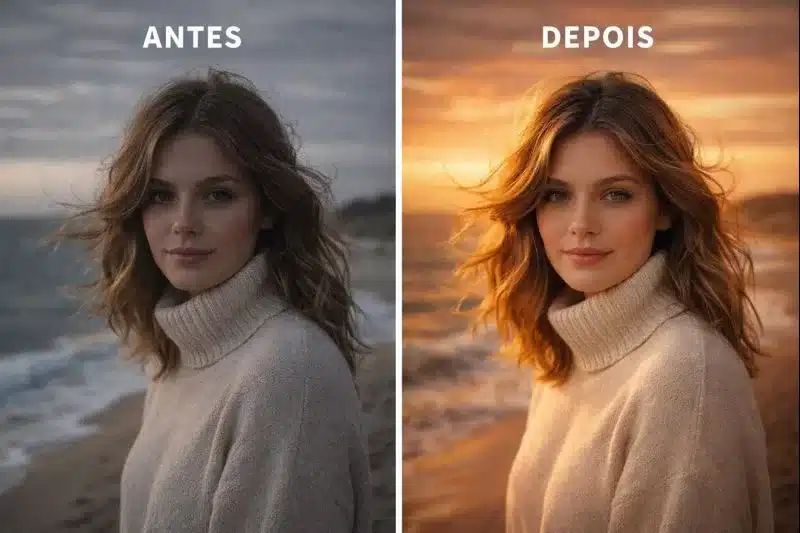
The human eye is naturally drawn to contrast and visual storytelling. When you scroll through social media, what makes you stop? It’s usually that dramatic transformation—the glow-up, the color correction that makes a sunset pop, or the portrait that looks like it belongs in Vogue. Professional-style editing isn’t about creating fake images; it’s about bringing out the full potential already hidden in your photos. ✨
Raw, unedited photos straight from your camera or phone often look flat, lacking the depth and vibrancy we remember from the actual moment. Professional editing corrects lighting imbalances, enhances colors to match what your eye actually saw, and removes distractions that take away from your subject. The result? Photos that truly capture the emotion and beauty of the moment.
Anúncios
Beyond personal satisfaction, strong before/after edits have practical value. Content creators know that compelling visuals drive engagement. Real estate agents understand that professionally edited property photos sell homes faster. Small business owners recognize that product photography can make or break online sales. The investment in learning professional editing techniques pays dividends across countless applications.
Top Mobile Apps That Deliver Studio-Quality Results
The smartphone revolution has brought incredible editing power into our pockets. These apps prove you don’t need a desktop computer to achieve professional-grade transformations that will impress even the most discerning viewers.
Lightroom Mobile: The Industry Standard in Your Pocket 📱
Adobe Lightroom Mobile brings the power of its desktop counterpart to iOS and Android devices with remarkable fidelity. This app is the secret weapon behind countless Instagram influencers’ perfectly curated feeds. What sets Lightroom apart is its non-destructive editing workflow and professional-grade color grading tools.
The app excels at creating those dramatic before/after moments through its selective editing capabilities. You can adjust exposure, contrast, highlights, and shadows with precision sliders that give you granular control. The HSL (Hue, Saturation, Luminance) panel lets you target specific colors—turning a dull sky electric blue or making autumn leaves burst with warmth—without affecting the rest of your image.
Lightroom’s presets are where the magic really happens for quick transformations. You can apply one-tap filters that instantly give your photos a cohesive, professional look, then tweak them to perfection. The ability to create and save your own presets means you can develop a signature style and apply it consistently across all your photos.
Snapseed: Google’s Hidden Editing Powerhouse
Don’t let the free price tag fool you—Snapseed is a legitimate professional editing tool that rivals paid alternatives. Developed by Google, this app combines an intuitive gesture-based interface with surprisingly deep editing capabilities. The before/after slider built into the app makes it easy to see your progress and share your transformations.
One of Snapseed’s standout features is its selective editing tool, which uses AI to intelligently identify and adjust specific areas of your photo. Want to brighten just your subject’s face while keeping the background moody and dark? A few taps accomplish what would take complex masking in traditional software. The healing and clone tools are remarkably effective for removing unwanted objects, power lines, or photobombers.
The Drama and HDR Scape filters in Snapseed create those eye-popping, highly stylized looks that perform exceptionally well on social media. While these should be used judiciously to avoid an over-processed appearance, they can transform mundane architectural or landscape photos into striking images with incredible depth and texture.
VSCO: For That Coveted Film-Inspired Aesthetic 🎞️
VSCO built its reputation on presets that mimic classic film stocks, creating the warm, slightly faded aesthetic that defined a generation of Instagram photography. While trends have evolved, VSCO remains incredibly powerful for creating cohesive, artistic before/after transformations that feel intentional and curated rather than over-edited.
What makes VSCO special is its restraint. The presets are designed to enhance rather than overwhelm, creating subtle shifts in color and tone that feel natural yet noticeably improved. This makes it perfect for portrait photography, lifestyle content, and anyone building a personal brand that requires visual consistency.
Beyond presets, VSCO’s manual editing tools are comprehensive yet accessible. The grain tool adds authentic film texture, the fade slider creates that vintage look, and the split-tone feature lets you add different color casts to highlights and shadows for sophisticated color grading that looks professionally crafted.
Afterlight: Texture and Layer Mastery
Afterlight distinguishes itself through its extensive collection of textures, dust effects, and light leak overlays that add dimension and character to otherwise ordinary photos. These elements create depth and visual interest that make before/after comparisons truly dramatic, transforming flat digital images into photos with soul and personality.
The app’s double exposure and blending mode features open creative possibilities typically reserved for desktop software. You can composite multiple images, create surreal artistic compositions, or simply add atmospheric elements that elevate your photography from snapshot to art piece. The intuitive interface makes these complex techniques accessible even to beginners.
Desktop Applications for Maximum Control and Impact
While mobile apps are convenient and increasingly powerful, desktop applications still reign supreme when you need the absolute maximum control and the most dramatic transformations possible. These programs are where professionals turn when client work or personal projects demand perfection.
Adobe Photoshop: The Undisputed Champion 🏆
There’s a reason “Photoshop” became a verb. No other application offers the same combination of power, precision, and creative possibility. For before/after transformations that seem to defy reality—removing entire backgrounds, completely changing lighting scenarios, or transforming portraits with advanced retouching—Photoshop remains unmatched.
The recent integration of AI-powered tools like Neural Filters, Content-Aware Fill, and Sky Replacement has made dramatic edits faster and more accessible than ever. You can now accomplish in minutes what once took hours of painstaking manual work. The Object Selection tool uses machine learning to intelligently identify and isolate subjects with accuracy that would have seemed like science fiction just a few years ago.
For portrait retouching that creates stunning before/after results, Photoshop’s layer-based workflow enables non-destructive frequency separation, dodge and burn techniques, and subtle enhancements that maintain skin texture while smoothing imperfections. Professional photographers rely on these techniques to create magazine-quality results that look polished yet natural.
Capture One: The Professional Photographer’s Secret Weapon
Among professional commercial and portrait photographers, Capture One has developed a cult following for good reason. Its color grading capabilities are widely considered superior to Lightroom, offering more nuanced control over color relationships and producing renderings that feel more three-dimensional and true to life.
The local adjustment layers in Capture One are incredibly powerful, allowing you to stack multiple adjustments with different blend modes and masks. This enables complex, targeted edits that create dramatic transformations while maintaining a natural appearance. The before/after possibilities are stunning, particularly for product photography and portraits where color accuracy and tonal range are paramount.
Luminar AI: Artificial Intelligence Meets Artistic Vision 🤖
Luminar AI represents the cutting edge of AI-assisted photo editing, using machine learning to analyze your images and suggest or automatically apply enhancements that would typically require significant skill and time. The before/after results can be genuinely impressive, especially for beginners who lack extensive editing experience.
Features like Sky AI can completely replace boring skies with dramatic alternatives in seconds, automatically blending and adjusting the entire image to match. Body AI can subtly reshape portraits, while Skin AI handles complex retouching automatically. Face AI identifies and enhances facial features with natural-looking results. These tools democratize professional-looking edits, though experienced editors can fine-tune the AI suggestions for even better results.
The Templates system in Luminar provides one-click looks designed by professional photographers for specific scenarios—golden hour portraits, moody landscapes, vibrant street photography. These serve as excellent starting points that you can customize, creating consistent before/after transformations across your entire portfolio.
Specialized Apps for Specific Before/After Wow Factors
Sometimes the most dramatic transformations come from apps designed for very specific purposes. These specialized tools create before/after results that general-purpose editors simply can’t match in their particular niches.
Facetune 2: Portrait Perfection Made Easy
Love it or hate it, Facetune revolutionized mobile portrait editing by making professional-level retouching accessible to everyone. The before/after transformations possible with this app range from subtle enhancements to dramatic makeovers. When used with restraint, it can create natural-looking improvements that enhance rather than drastically alter appearances. 💄
The app’s tools for smoothing skin, whitening teeth, adjusting facial structure, and enhancing eyes create polished portrait results. Advanced users appreciate the precision controls that allow subtle adjustments, while beginners benefit from presets that accomplish multiple corrections with a single tap. The key to great results is moderation—slight improvements create believable before/afters that enhance natural beauty.
Remini: AI-Powered Photo Enhancement and Restoration
Remini specializes in a very specific type of transformation: taking low-resolution, blurry, or damaged photos and using AI to sharpen, enhance, and restore them to clarity. The before/after results can seem almost magical, particularly with old family photos or images taken on older smartphones with inferior cameras.
The AI analyzes facial features, textures, and details, then reconstructs them with impressive accuracy. While not perfect—it sometimes hallucinates details that weren’t in the original—the technology represents a remarkable achievement. For breathing new life into treasured memories captured with less-than-ideal equipment, Remini creates transformations that would have been impossible just a few years ago.
TouchRetouch: The Eraser That Actually Works ✨
How many times have you captured the perfect photo only to notice an ugly background element, tourist photobomber, or distracting object ruining the composition? TouchRetouch specializes exclusively in removal, and it does this one thing extraordinarily well. The before/after difference when you seamlessly erase power lines, trash cans, or unwanted people can completely transform an image from cluttered to clean.
The app uses sophisticated content-aware algorithms to intelligently fill in the areas you remove, blending textures and patterns from surrounding areas. The results often look completely natural, with no obvious signs of manipulation. For creating clean, professional-looking images from imperfect real-world scenes, this specialized tool delivers results worth its focused approach.
Creating Compelling Before/After Presentations
Editing your photos professionally is only half the battle—presenting the transformation effectively amplifies the impact. The way you showcase your before/after work can be the difference between someone scrolling past and stopping to engage with your content.
Split-Screen Comparisons That Command Attention
The classic side-by-side before/after presentation remains popular because it’s immediately understandable and visually compelling. Apps like Before/After Story and SideBySide specialize in creating clean, professional split-screen comparisons with customizable layouts, labels, and branding elements.
When creating split-screen comparisons, consistency matters. Ensure both images are perfectly aligned—even slight misalignment is distracting and reduces the impact of your editing work. Many apps offer overlay modes that help you match composition exactly. Consider adding subtle labels like “Before” and “After” or “Original” and “Edited” to eliminate any confusion about which is which.
Interactive Slider Reveals for Maximum Engagement 📲
Interactive slider reveals, where viewers can drag to reveal more of the before or after image, create engagement that static images can’t match. This format works exceptionally well on Instagram Stories and TikTok, where interactivity keeps viewers watching longer and signals to algorithms that your content is valuable.
Apps like InShot and PhotoGrid include slider templates, while dedicated before/after apps like Swipeable provide even more customization. The key is making the interaction obvious—use arrows, text prompts like “Swipe to reveal,” or animation to indicate that viewers should interact with the image.
Developing Your Signature Editing Style
Professional photographers and successful content creators don’t just edit photos—they develop a consistent visual identity that becomes recognizable across their work. This cohesive aesthetic is what transforms a collection of individually nice photos into a compelling portfolio or feed that feels intentional and professional. 🎨
Start by studying work you admire. What makes those before/after transformations so compelling? Is it the color palette—moody and desaturated, or vibrant and saturated? Is it the lighting style—high-key and bright, or low-key and dramatic? Identify the specific qualities that resonate with you and align with your personal aesthetic or brand identity.
Create custom presets or develop a consistent editing workflow that you apply to all your images. This doesn’t mean every photo should look identical, but there should be recognizable throughlines—perhaps you always slightly warm your highlights and cool your shadows, or you consistently emphasize certain colors while muting others. Consistency across your before/after transformations builds brand recognition and professional credibility.
Common Mistakes That Ruin Otherwise Great Edits
Even with powerful editing apps at your disposal, certain mistakes can undermine your before/after impact. Recognizing and avoiding these pitfalls will elevate your work from amateur to professional quality.
The Over-Processing Trap
The most common mistake is going too far. When you’ve been staring at an image for twenty minutes, your perception becomes skewed, and adjustments that seemed subtle in the moment look excessive with fresh eyes. That sunset doesn’t need 100% saturation boost. That portrait doesn’t need perfectly smooth plastic skin. Over-processed images scream “amateur” louder than unedited photos ever could. ⚠️
The solution is simple but requires discipline: take breaks. Edit your photo, then walk away for a few hours or even overnight. When you return with fresh eyes, you’ll immediately see if you’ve pushed too far. Use the before/after comparison frequently during editing—not just at the end—to ensure you’re enhancing rather than destroying your image.
Ignoring the Fundamentals
No amount of editing can fix a poorly composed, badly lit photograph. While modern tools are remarkably powerful, they work best when enhancing good source material. Before reaching for dramatic filters and effects, ensure your fundamentals are solid: proper exposure, thoughtful composition, and sharp focus where it matters.
Professional editors follow a logical sequence: first correct technical issues (exposure, white balance, lens distortions), then enhance (color grading, selective adjustments), and finally apply creative touches (effects, textures, stylistic choices). Skipping the foundational corrections in favor of flashy effects produces before/after comparisons that reveal improvement but never achieve true professional quality.
Inconsistent White Balance and Skin Tones
Nothing reveals amateur editing faster than unnatural skin tones or inconsistent color temperature across a series of images. When creating before/after comparisons, pay special attention to these elements. Skin should look like skin—warm and natural—not orange, gray, or magenta. Environmental colors should feel believable, even when stylized.
Use reference images when you’re uncertain. Compare your edited portraits to professional work to ensure your skin tone rendering falls within acceptable ranges. For non-portrait work, ask yourself whether the colors could plausibly exist in reality, even if heightened. Believability creates impact; obvious artificiality creates skepticism.
Building Skills That Translate Across Platforms
While each app has unique features and interfaces, the principles of great photo editing remain consistent. Understanding these fundamental concepts allows you to move between applications confidently and achieve professional results regardless of which tool you’re using. 🎓
Learn the relationship between highlights, shadows, whites, and blacks—these tonal controls form the foundation of virtually every editing application. Understanding how adjusting one affects the others allows you to craft the precise tonal range that creates depth and dimension in your images.
Master color theory basics. Knowing which colors are complementary, analogous, or triadic helps you make intentional color grading decisions rather than randomly adjusting sliders. This knowledge creates before/after transformations that feel harmonious and professionally crafted rather than accidentally successful.
Develop your eye for quality. The more professionally edited work you study—not just casually browse, but actively analyze—the better your own aesthetic judgment becomes. Notice how professional retouchers handle skin texture, how landscape photographers balance foreground and background elements, how product photographers create dimension through subtle lighting adjustments. These observations inform your own work and accelerate your improvement.
The Future of Professional Photo Editing
Artificial intelligence is rapidly transforming what’s possible in photo editing, and the pace of innovation shows no signs of slowing. Features that currently require skill and time will become automated, while new creative possibilities will emerge that we can barely imagine today. 🚀
AI-powered tools are becoming increasingly sophisticated at understanding image context and intent. Future applications will likely offer natural language editing—imagine describing the mood you want (“make this feel like a warm summer evening”) and having AI interpret and execute that vision while preserving your unique style. These advances will make dramatic before/after transformations accessible to absolutely everyone while raising the bar for what constitutes truly exceptional work.
Despite these technological advances, the creative vision behind the edit will remain paramount. Tools don’t make art—artists do. The most compelling before/after transformations will always come from editors who understand composition, color, light, and storytelling, using technology as a means to realize their vision rather than as a substitute for it.
As you explore these professional-grade editing apps and develop your skills, remember that every expert was once a beginner. The dramatic before/after transformations you admire on social media represent hours of practice, experimentation, and learning from mistakes. Start with one app that resonates with your needs and learning style, master its core features, then gradually expand your toolkit and techniques. With consistent practice and thoughtful application of these powerful tools, you’ll soon be creating those stunning transformations that make viewers stop scrolling and start admiring your work. Your visual storytelling journey has just begun! 📸✨
