
Anúncios
Monitor Your Blood Pressure With Confidence

Start Tracking Today
Managing your cardiovascular health has never been more accessible than it is today. With the rise of smartphone technology and health-focused applications, millions of people worldwide are now able to track their blood pressure readings right from their pockets. These innovative tools have transformed the way we approach hypertension management and overall heart health monitoring.
Blood pressure apps have become essential companions for those living with hypertension, pre-hypertension, or anyone simply interested in maintaining optimal cardiovascular wellness. But with hundreds of options available in app stores, understanding which features matter most and how these digital tools actually work can feel overwhelming. Let’s dive deep into the world of blood pressure monitoring applications and discover how they can genuinely improve your health journey. 📱💙
Anúncios
Understanding Blood Pressure Monitoring Technology
Before exploring specific applications, it’s crucial to understand what blood pressure actually represents and how modern technology measures it. Blood pressure consists of two numbers: systolic pressure (the top number) represents the force when your heart beats, while diastolic pressure (the bottom number) measures the force when your heart rests between beats.
Traditional blood pressure measurement requires a cuff device—either manual or digital—that physically restricts blood flow momentarily to generate accurate readings. This fundamental principle hasn’t changed, but how we record, track, and interpret these readings has evolved dramatically with smartphone applications.
Anúncios
The Reality About Smartphone Camera Measurements
A critical point that deserves immediate clarification: despite claims from some applications, your smartphone camera cannot accurately measure blood pressure simply by placing your finger on the lens. This technology doesn’t exist in consumer devices yet. Any app claiming to measure blood pressure through camera sensors alone is unreliable and potentially dangerous for health decision-making.
Legitimate blood pressure apps work as companion tools to actual blood pressure monitors. They excel at logging readings, identifying patterns, generating reports, and helping you understand your cardiovascular trends over time. This distinction is absolutely essential for your safety and health outcomes. ⚠️
Key Features That Make Blood Pressure Apps Valuable
The most effective blood pressure tracking applications share several important characteristics that transform them from simple data loggers into powerful health management tools. Understanding these features helps you select an app that truly meets your individual needs.
Comprehensive Data Logging: Premium apps allow you to record not just blood pressure numbers, but contextual information like time of day, physical activity level, stress, medication timing, and even dietary factors. This comprehensive approach reveals patterns that single data points never could.
Visual Trend Analysis: Graphs, charts, and color-coded displays transform raw numbers into understandable visual patterns. Seeing your blood pressure trends over weeks and months provides motivation and helps identify what lifestyle factors influence your readings most significantly.
Medication Reminders: Consistency in taking blood pressure medication is crucial for effective management. Top-tier apps include customizable reminder systems that alert you when it’s time for medication, helping maintain therapeutic levels in your system.
Export and Sharing Capabilities: The ability to generate reports in PDF format or share data directly with healthcare providers bridges the gap between home monitoring and professional medical care. This feature has become increasingly valuable in telehealth environments.
Top Categories of Blood Pressure Applications 📊
Blood pressure apps generally fall into several distinct categories, each serving different user needs and preferences. Understanding these categories helps narrow down which type aligns best with your health goals.
Dedicated Blood Pressure Trackers
These applications focus exclusively on cardiovascular monitoring. They typically offer the most sophisticated blood pressure-specific features, including detailed analytics, multiple user profiles for family tracking, and integration with specific blood pressure monitor brands.
Apps like Blood Pressure Monitor and BP Tracker fall into this category. They’re designed for people who need robust, focused tracking without the distraction of unrelated health metrics. Many include educational resources about hypertension, helping users understand their condition better.
Comprehensive Health Platforms
These broader applications track blood pressure alongside other vital health metrics—weight, glucose levels, physical activity, sleep patterns, and more. They’re ideal for people managing multiple health conditions or those who prefer a holistic view of their wellness.
Apple Health and Google Fit represent this category, serving as centralized hubs that aggregate data from various sources. They don’t measure blood pressure themselves but integrate seamlessly with compatible monitors and dedicated tracking apps.
Manufacturer-Specific Apps
Major blood pressure monitor manufacturers like Omron, Withings, and QardioArm develop companion apps specifically designed to work with their hardware. These applications often provide the smoothest user experience because they’re optimized for specific devices.
The advantage here is seamless Bluetooth connectivity, automatic data synchronization, and features tailored to leverage the specific capabilities of the paired hardware. The limitation is that they typically work only with that manufacturer’s devices.
How to Choose the Right Blood Pressure App for You 🤔
Selecting from dozens of available applications requires considering several personal factors beyond just app ratings and download numbers. Your individual health situation, technical comfort level, and specific monitoring goals should guide your decision.
Compatibility with Your Monitor: If you already own a blood pressure monitor, check which apps it supports. Automatic data transfer via Bluetooth eliminates manual entry errors and makes consistent tracking far more convenient.
Privacy and Data Security: Blood pressure information is sensitive health data. Review the app’s privacy policy to understand how your information is stored, whether it’s shared with third parties, and what security measures protect your data. Apps complying with HIPAA standards offer additional protection.
User Interface Simplicity: The best app is one you’ll actually use consistently. Test the interface to ensure it feels intuitive. Can you log a reading in under 30 seconds? Are the graphs easy to interpret? These practical considerations matter more than extensive feature lists.
Cost Structure: Many blood pressure apps offer free basic versions with optional premium upgrades. Evaluate whether free features meet your needs or if premium capabilities like unlimited cloud storage, advanced analytics, or ad-free experience justify subscription costs.
Maximizing the Benefits of Your Blood Pressure App 💪
Simply downloading an app won’t improve your cardiovascular health—consistent, thoughtful use combined with appropriate lifestyle modifications makes the difference. Here’s how to extract maximum value from these digital tools.
Establish a Consistent Measurement Routine
Blood pressure naturally fluctuates throughout the day. For meaningful tracking, measure at the same times daily—typically morning and evening. Sit quietly for five minutes before measuring, avoid caffeine for 30 minutes prior, and ensure your arm is properly positioned at heart level.
Record these standardized measurements in your app along with relevant notes about unusual circumstances. This consistency creates reliable data that accurately reflects your true blood pressure patterns rather than random fluctuations.
Look for Patterns, Not Individual Readings
A single elevated reading doesn’t necessarily indicate a problem, just as one normal reading doesn’t confirm everything is fine. Use your app’s trend analysis features to identify patterns over days and weeks. Are readings consistently higher on stressful workdays? Do they improve after exercise? These insights guide effective interventions.
Share Data With Your Healthcare Provider
Home blood pressure monitoring provides doctors with far more comprehensive information than occasional office visits. Use your app’s export function to generate reports for medical appointments. Many physicians now base treatment decisions partly on home monitoring data, making your app an integral part of your healthcare team.
Understanding App Limitations and When to Seek Medical Attention ⚕️
While blood pressure apps are valuable tools, they have important limitations that users must understand. These applications are not medical devices themselves and should never replace professional medical advice or emergency care.
If you experience readings consistently above 180/120, accompanied by symptoms like severe headache, chest pain, shortness of breath, or visual changes, seek immediate medical attention regardless of what any app suggests. This constitutes a hypertensive crisis requiring emergency intervention.
Similarly, if your app reveals consistently elevated readings that represent a change from your normal patterns, schedule an appointment with your healthcare provider. Don’t attempt to self-adjust medications based solely on app data—always consult your doctor about treatment modifications.
The Future of Blood Pressure Monitoring Technology 🚀
The intersection of healthcare and technology continues evolving rapidly, with exciting developments on the horizon for blood pressure monitoring. Understanding these emerging trends helps contextualize current applications and what might become available soon.
Researchers are developing truly non-invasive blood pressure measurement methods using advanced optical sensors and artificial intelligence algorithms. While not yet accurate enough for clinical use, these technologies may eventually enable your smartphone or smartwatch to measure blood pressure without any cuff device.
Continuous blood pressure monitoring represents another frontier. Unlike current methods requiring discrete measurements, continuous monitoring would track blood pressure throughout the day and night, revealing patterns impossible to detect with periodic sampling. Several companies are working toward wearable devices capable of this functionality.
Integration With Artificial Intelligence
Machine learning algorithms are becoming sophisticated enough to predict cardiovascular events by analyzing blood pressure patterns alongside other health data. Future apps may provide early warnings about increased stroke or heart attack risk based on subtle pattern changes, enabling preventive interventions before serious events occur.
Some applications already incorporate basic AI features that identify unusual patterns and suggest lifestyle factors that might be influencing readings. As these technologies mature, blood pressure apps will transition from passive tracking tools to active health management assistants.
Practical Tips for Accurate Home Blood Pressure Monitoring 📏
Even the best application can’t compensate for inaccurate measurements. Follow these evidence-based guidelines to ensure the data you’re logging reflects your true blood pressure.
- Use a validated monitor: Choose a device that has been independently tested for accuracy. Look for validation seals from organizations like the British Hypertension Society or the European Society of Hypertension.
- Select the correct cuff size: A cuff that’s too small or too large produces inaccurate readings. Measure your upper arm circumference and choose accordingly—most monitors include sizing guidelines.
- Position matters: Sit with your back supported, feet flat on the floor, and arm resting on a table at heart level. Your palm should face upward, and the cuff should sit on bare skin.
- Stay still and quiet: Don’t talk during measurement. Movement and conversation can artificially elevate readings by 10-15 points.
- Take multiple readings: Measure two or three times, waiting 1-2 minutes between readings. Record all measurements in your app and calculate the average.
- Calibrate periodically: Bring your home monitor to doctor appointments occasionally to verify it matches clinical measurements.
Beyond the Numbers: Lifestyle Integration 🌟
The true power of blood pressure apps isn’t just tracking numbers—it’s facilitating the lifestyle changes that actually improve cardiovascular health. The most successful users leverage their apps as catalysts for broader wellness improvements.
Many applications now include features that connect blood pressure data with lifestyle factors. You might log sodium intake, exercise sessions, stress levels, and sleep quality alongside your readings. Over time, these correlations reveal which behaviors most significantly impact your blood pressure.
This personalized insight is invaluable. You might discover that your blood pressure spikes significantly after poor sleep but remains stable despite moderate sodium intake. Or perhaps you notice that morning meditation consistently lowers your readings by several points. These individual patterns guide you toward the specific interventions that work best for your unique physiology.
Building Sustainable Habits
Apps excel at habit formation through consistency and positive reinforcement. Daily measurement reminders, streak tracking, and achievement badges might seem trivial, but behavioral science confirms these features significantly improve adherence to health routines.
The key is viewing your app not as a judgment tool but as a supportive companion on your health journey. Some days your numbers will be higher than you’d like—that’s normal and expected. What matters is the overall trend and your commitment to consistent monitoring and evidence-based lifestyle modifications.
Making Blood Pressure Apps Work in Real Life 🎯
Theory and practice often diverge when it comes to health technology. Real-world use of blood pressure apps involves navigating practical challenges that don’t appear in feature descriptions or user reviews.
Forgetfulness represents the primary obstacle for most users. Life gets busy, and blood pressure monitoring easily falls off the priority list. Combat this by anchoring measurement to existing habits—check your blood pressure immediately after your morning coffee or right before brushing your teeth at night. Your app’s reminder function helps, but linking measurement to established routines creates stronger behavioral patterns.
Technical issues occasionally arise—Bluetooth connectivity problems, syncing errors, or app crashes. Rather than abandoning digital tracking entirely when these occur, manually enter readings temporarily. The logging habit matters more than the specific entry method. Most apps provide simple manual entry options that take just seconds.
Data overload can paradoxically become counterproductive. Some people become anxious checking their readings constantly, which ironically elevates blood pressure through stress. If you find yourself obsessively monitoring, scale back to the recommended twice-daily routine. Trust the process and focus on long-term trends rather than moment-to-moment fluctuations.
The Bottom Line on Blood Pressure Apps 💙
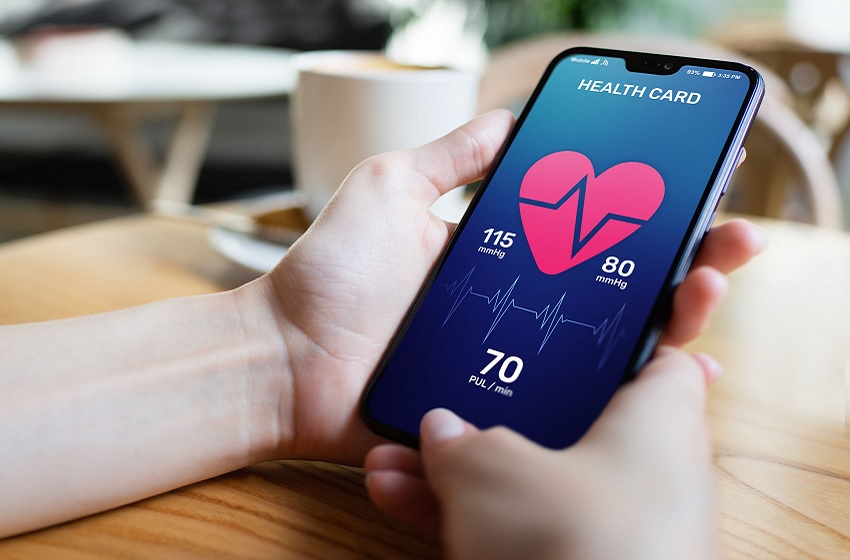
Blood pressure monitoring applications represent genuinely useful health technology when approached with realistic expectations and used correctly. They won’t magically lower your blood pressure, diagnose conditions, or replace medical care. What they will do is make tracking easier, help you identify meaningful patterns, facilitate communication with healthcare providers, and support the lifestyle modifications that genuinely improve cardiovascular health.
The best app is ultimately the one you’ll use consistently. Whether that’s a simple tracker with basic logging features or a comprehensive platform with advanced analytics depends entirely on your personal preferences and health situation. Start with a highly-rated free option, use it diligently for several weeks, and upgrade to premium features only if you find specific limitations frustrating.
Remember that the app is just a tool—your commitment to regular monitoring, honest lifestyle assessment, and collaboration with healthcare providers drives actual health improvements. Used thoughtfully as part of a comprehensive approach to cardiovascular wellness, blood pressure apps can absolutely make a meaningful difference in managing hypertension and reducing long-term cardiovascular risk.
Your heart works tirelessly every moment of your life. These digital tools help you monitor and support that vital organ’s health with unprecedented convenience and insight. Whether you’re managing existing hypertension or proactively monitoring cardiovascular wellness, there’s never been a better time to take control of your blood pressure through smart, consistent tracking. 💪❤️
