
Anúncios
Understanding Private Messaging Apps

Explore Secure Options
In today’s digital landscape, privacy has become a premium commodity. With data breaches, surveillance concerns, and unauthorized tracking becoming increasingly common, millions of users worldwide are turning to private messaging apps to protect their conversations. These specialized applications offer far more than just the ability to send texts—they provide a sanctuary for personal communication in an era where digital privacy feels increasingly threatened.
Private messaging apps leverage advanced encryption technologies to ensure that only you and your intended recipient can access your messages. Unlike traditional SMS or standard social media platforms, these apps prioritize user privacy above all else, offering features like self-destructing messages, screenshot protection, and zero-data retention policies. Let’s explore this fascinating world of secure communication and discover what makes these apps essential tools for modern digital life. 🔐
Anúncios
Why Privacy Matters in Digital Communication
The shift toward private messaging isn’t just a trend—it’s a necessary response to our increasingly connected world. Every day, billions of messages traverse the internet, containing everything from casual conversations to sensitive business information, medical records, and financial details.
Traditional messaging platforms often store your conversations on their servers, creating potential vulnerabilities. Government agencies, hackers, and even the companies themselves may have access to your private communications. This reality has sparked a global movement toward encrypted messaging solutions that put control back in users’ hands.
Anúncios
Privacy-focused messaging apps address fundamental concerns about digital rights and personal freedom. They operate on the principle that your conversations belong to you alone, implementing technical safeguards that make unauthorized access virtually impossible. This philosophy resonates particularly strongly with journalists, activists, healthcare professionals, and anyone who values confidential communication. 🛡️
Core Features of Secure Messaging Applications
What distinguishes private messaging apps from their mainstream counterparts? Several key features define truly secure communication platforms:
End-to-End Encryption Technology
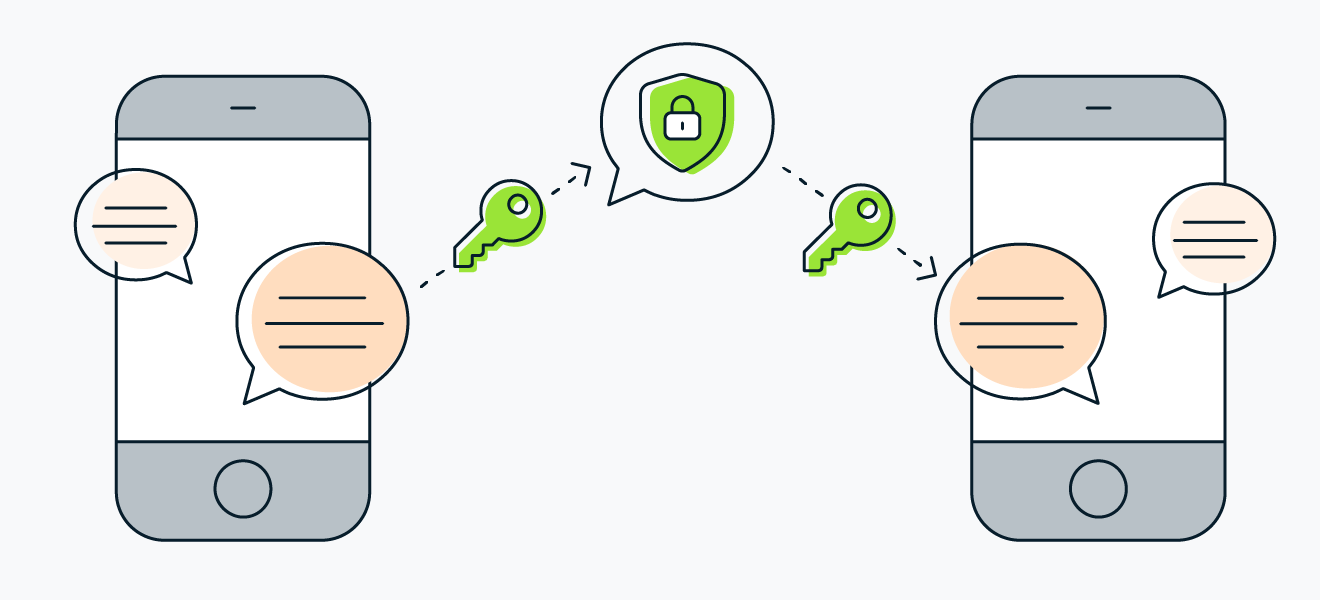
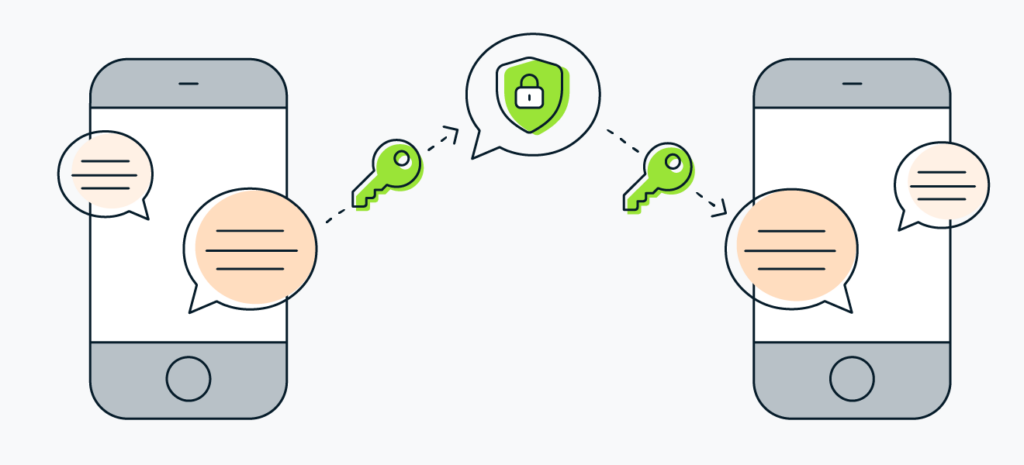
End-to-end encryption (E2EE) represents the gold standard in message security. This technology encrypts your messages on your device before transmission, ensuring they remain scrambled during transit and can only be decrypted by the intended recipient’s device. Even the app developers themselves cannot read your conversations.
This encryption method uses complex mathematical algorithms to generate unique keys for each conversation. Without the proper key, intercepted messages appear as meaningless strings of random characters—completely useless to anyone trying to spy on your communications.
Metadata Protection and Zero-Knowledge Architecture
Sophisticated private messaging apps go beyond just encrypting message content. They also protect metadata—the information about when, where, and with whom you communicate. Some platforms employ zero-knowledge architecture, meaning they genuinely cannot access user data even if compelled by authorities.
This comprehensive approach to privacy ensures that no digital breadcrumb trail exists that could reveal your communication patterns or social connections. For users in restrictive environments or those handling sensitive information, this additional layer of protection proves invaluable.
Leading Private Messaging Apps in 2024
The market offers numerous options for privacy-conscious users, each with distinct strengths and specialized features:
Signal: The Privacy Champion
Signal has earned widespread recognition as perhaps the most secure messaging app available. Developed by a nonprofit organization, it features open-source code that security experts can audit, ensuring transparency. The Signal Protocol, its underlying encryption framework, has become so trusted that other major platforms have adopted it.
Signal offers disappearing messages, screen security to prevent screenshots, and requires minimal personal information to create an account. Its commitment to collecting zero user data makes it a favorite among security professionals, privacy advocates, and everyday users who simply value confidentiality. ✨
Telegram: Balancing Privacy with Features
Telegram occupies an interesting middle ground, offering robust privacy features alongside extensive social and media-sharing capabilities. While standard chats use server-client encryption, its Secret Chat feature provides end-to-end encryption with additional security options like self-destructing messages and screenshot notifications.
With support for massive group chats, channels for broadcasting to unlimited audiences, and a rich bot ecosystem, Telegram appeals to users who want privacy without sacrificing functionality. However, privacy purists note that its default mode isn’t end-to-end encrypted, requiring users to actively select Secret Chats for maximum security.
WhatsApp: Mainstream Privacy
As the world’s most popular messaging app with over two billion users, WhatsApp brought end-to-end encryption to the masses. Implementing the Signal Protocol in 2016, it offers strong message security by default for all conversations.
However, WhatsApp’s ownership by Meta (formerly Facebook) raises concerns for some privacy advocates. While message content remains encrypted, the app collects substantial metadata and shares certain information with its parent company. For many users, though, the combination of security and ubiquity makes WhatsApp a practical choice for private communication.
Wire: Business-Grade Security
Wire targets professional users and organizations requiring certified security. Based in Switzerland and subject to strict European privacy laws, Wire offers end-to-end encryption for messages, calls, and file sharing across multiple devices simultaneously.
Its business-focused features include secure collaboration tools, guest rooms for external communication, and compliance with regulations like GDPR and HIPAA. Wire’s transparent approach—including open-source code and regular security audits—makes it particularly attractive to enterprises handling sensitive information. 💼
Threema: The Privacy Maximalist
Threema distinguishes itself through its paid model and extreme privacy focus. Unlike most competitors, it requires no phone number or email address—users receive a randomly generated ID instead, ensuring complete anonymity if desired.
Based in Switzerland, Threema collects virtually no metadata, stores messages locally on devices, and automatically deletes them from servers once delivered. Its one-time purchase model eliminates the need for data monetization, aligning business incentives with user privacy.
Essential Security Features to Look For
When evaluating private messaging apps, consider these critical security elements:
- Default Encryption: Apps should encrypt all messages automatically without requiring users to enable special modes
- Open-Source Code: Transparency allows security researchers to identify and fix vulnerabilities
- Minimal Data Collection: The best apps collect only essential information needed for functionality
- Two-Factor Authentication: Additional account security prevents unauthorized access
- Screen Security: Protection against screenshots and screen recording in sensitive conversations
- Disappearing Messages: Automatic deletion of messages after specified timeframes
- Verification Systems: Methods to confirm you’re communicating with the intended person, not an imposter
- Secure Voice/Video Calls: End-to-end encrypted audio and video communication
Privacy Trade-offs and Practical Considerations
Choosing a private messaging app often involves balancing security against convenience and network effects. The most secure app provides little value if none of your contacts use it, creating a practical dilemma many users face.
Some privacy-focused apps sacrifice features common in mainstream platforms—like cloud backups, message search across devices, or elaborate media-sharing options—to maintain security. Understanding these trade-offs helps you select the right tool for your specific needs. 🤔
The Network Effect Challenge
Messaging apps derive value from their user networks. An app with superior security features but few users may prove less practical than a slightly less secure option that all your friends and colleagues already use. This reality explains why imperfect solutions like WhatsApp achieve massive adoption while arguably more secure alternatives remain niche.
Many privacy-conscious users maintain multiple messaging apps—using ultra-secure options for sensitive conversations while keeping mainstream apps for general communication. This pragmatic approach balances security with the realities of social connectivity.
Beyond Encryption: Complete Privacy Practices
Using a private messaging app represents just one component of comprehensive digital security. Additional practices enhance your overall privacy:
Device Security: Even the most secure messaging app can’t protect messages on a compromised device. Maintain strong device passwords, enable biometric locks, keep software updated, and use reputable security software.
Account Security: Enable two-factor authentication wherever available, use unique passwords for each service, and consider a password manager to maintain strong, distinct credentials.
Operational Security: Be mindful of what you share digitally, even in encrypted channels. Remember that recipients could screenshot messages, lose devices, or be compromised. Practice discretion about truly sensitive information. 🔑
The Future of Private Messaging
Private messaging continues evolving rapidly in response to emerging threats and changing user expectations. Several trends are shaping the future of secure communication:
Decentralized messaging protocols are gaining traction, distributing communication across networks rather than through centralized servers. This architecture eliminates single points of failure and reduces vulnerability to censorship or surveillance.
Blockchain-based messaging platforms promise additional transparency and security through distributed ledger technology. While still emerging, these solutions could fundamentally change how we think about digital communication ownership and privacy.
Quantum computing poses future threats to current encryption methods, prompting researchers to develop quantum-resistant cryptography. Forward-thinking messaging apps are already implementing these next-generation security measures to ensure long-term protection. 🚀
Making Your Choice: Finding the Right App
Selecting the ideal private messaging app depends on your specific circumstances, threat model, and communication needs. Ask yourself these questions:
Who needs to reach you? If your contacts already use a particular platform, compatibility becomes crucial. Converting others to a new app requires effort and may not always succeed.
What’s your privacy level? Are you protecting against casual snooping, corporate surveillance, or state-level adversaries? Different threats require different solutions.
What features matter most? Do you need group chats, file sharing, voice calls, or video conferencing? Ensure your chosen app supports essential functionality.
What’s your technical comfort level? Some secure apps require more technical knowledge to use effectively. Choose a solution matching your expertise and willingness to learn.
Taking Control of Your Digital Privacy
Private messaging apps empower users to reclaim control over their digital conversations in an age of unprecedented surveillance and data collection. Whether you’re concerned about corporate data harvesting, government overreach, or simply value the principle of private communication, secure messaging tools provide practical solutions.
The transition to private messaging doesn’t require abandoning all existing platforms overnight. Start by exploring secure alternatives, introduce them to close contacts for sensitive conversations, and gradually expand your privacy-conscious communication network. Every encrypted message represents a small victory for digital rights and personal privacy. 💪
Remember that perfect security remains an ideal rather than an achievable reality. What matters is substantially improving your privacy posture and making unauthorized access to your communications significantly more difficult. Private messaging apps provide powerful tools for this purpose, transforming theoretical privacy into practical reality.
As awareness grows and user demand increases, we can expect continued innovation in secure communication technologies. By choosing privacy-respecting platforms today, you’re not only protecting your own conversations—you’re supporting a broader movement toward a more private, secure, and user-respecting digital ecosystem. The future of communication belongs to those who value and protect their privacy, and that future is already here.
