
Anúncios
Best Apps to Take Control of Your Finances

Start Saving Today
Managing personal finances has become easier than ever thanks to technology. With the rise of smartphones and mobile applications, keeping track of every dollar spent is no longer a tedious task that requires spreadsheets and calculators. Today’s expense tracking apps offer intuitive interfaces, automated features, and insightful analytics that help you understand where your money goes.
Whether you’re trying to save for a down payment, pay off debt, or simply want to be more conscious about your spending habits, the right app can make all the difference. Let’s explore the best options available and discover how these digital tools can transform your financial health. 💰
Anúncios
Why You Need an Expense Tracking App in 2024
The average person makes dozens of financial transactions each week, from morning coffee purchases to utility bill payments. Without a systematic way to track these expenses, it’s incredibly easy to lose sight of where your money is actually going. Many people are surprised to discover that small, recurring expenses add up to hundreds or even thousands of dollars annually.
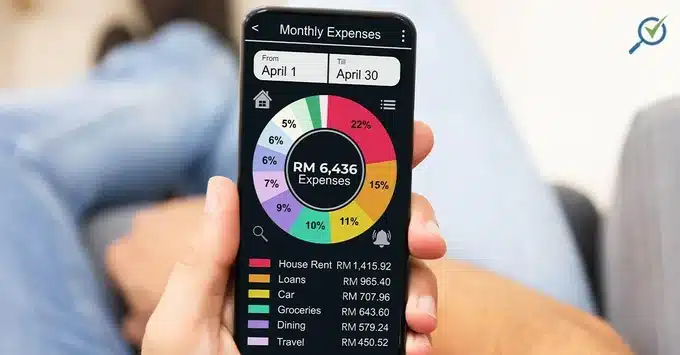
Expense tracking apps solve this problem by automatically categorizing your spending, providing real-time insights, and sending alerts when you’re approaching budget limits. They transform abstract financial data into visual charts and reports that make it easy to identify spending patterns and areas where you can cut back.
Anúncios
Beyond simple tracking, modern financial apps offer features like bill reminders, savings goals, investment tracking, and even credit score monitoring. They serve as comprehensive financial assistants that fit right in your pocket, available whenever you need to make a spending decision or check your financial status. 📱
Top Features to Look for in Expense Management Apps
Not all budgeting apps are created equal. When choosing the right tool for your needs, it’s important to consider several key features that will make your financial management experience smooth and effective.
Automatic Transaction Syncing
The best apps connect directly to your bank accounts, credit cards, and other financial institutions to automatically import transactions. This eliminates the need for manual entry and ensures that your financial picture is always up-to-date. Look for apps that support a wide range of banks and financial services to ensure compatibility with all your accounts.
Smart Categorization and Customization
Intelligent categorization uses machine learning to automatically sort your expenses into categories like groceries, entertainment, transportation, and utilities. The app should also allow you to create custom categories that reflect your unique spending habits and priorities. This flexibility ensures that your budget truly represents your lifestyle.
Budget Creation and Alerts
Setting budgets for different spending categories is essential for financial control. Your chosen app should make it easy to establish monthly limits and send notifications when you’re approaching or exceeding them. Real-time alerts help you make better spending decisions in the moment, rather than discovering overspending after the fact.
Visual Reports and Analytics
Numbers on a spreadsheet can be overwhelming, but visual representations make financial data accessible and actionable. Look for apps that provide colorful charts, graphs, and trends that show your spending patterns over time. These insights can reveal surprising truths about your financial habits and motivate positive changes. 📊
Best Free Apps for Budget-Conscious Users
You don’t need to spend money to save money. Several excellent expense tracking apps offer robust free versions that provide all the essential features most people need to gain control of their finances.
Mint: The Industry Standard
Mint has been a household name in personal finance for years, and for good reason. This completely free app connects to virtually all U.S. financial institutions and automatically categorizes your transactions. It offers budget creation tools, bill tracking, credit score monitoring, and personalized tips based on your spending patterns.
The app’s clean interface makes it easy to see your entire financial picture at a glance. You can view all your accounts in one place, including checking, savings, credit cards, loans, and investments. Mint also sends alerts about unusual charges, upcoming bills, and when you exceed budget limits.
Goodbudget: Envelope Budgeting Made Digital
Based on the traditional envelope budgeting method, Goodbudget helps you allocate specific amounts to different spending categories. The free version allows you to create up to 20 envelopes and sync across two devices, making it perfect for individuals or couples who want to coordinate their budgeting efforts.
Unlike apps that require bank account linking, Goodbudget uses manual entry, which some users prefer because it makes them more conscious of every transaction. This hands-on approach can be particularly effective for breaking bad spending habits and developing financial awareness. ✉️
Wally: Simple and Intuitive Tracking
Wally offers a beautiful, user-friendly interface that makes expense tracking feel less like a chore. The app supports multiple currencies, making it ideal for travelers or people who manage finances across borders. It provides insightful analytics that show where your money goes and helps you plan for future expenses.
The app also includes a feature for tracking savings goals, allowing you to set targets and monitor your progress. Wally’s simplicity is its strength—it focuses on doing the essential tasks exceptionally well rather than overwhelming users with unnecessary features.
Premium Apps Worth the Investment
While free apps are great, premium options often provide advanced features that can justify their cost for serious savers and financial enthusiasts. These apps typically offer more sophisticated analytics, investment tracking, and personalized advice.
YNAB (You Need A Budget): The Gold Standard
YNAB uses a unique methodology that gives every dollar a job before you spend it. Rather than simply tracking past expenses, this forward-looking approach helps you plan spending based on your actual income. The philosophy behind YNAB has helped millions of users break the paycheck-to-paycheck cycle and build substantial savings.
The app costs $14.99 per month or $99 per year, but many users report that it pays for itself within the first month through improved spending habits and reduced waste. YNAB includes extensive educational resources, including free workshops, tutorials, and a supportive community that helps users master their finances.
PocketGuard: Simplified Spending Management
PocketGuard answers one crucial question: “How much can I spend today?” After accounting for bills, savings goals, and necessities, the app shows you how much disposable income remains. This “In My Pocket” feature prevents overspending and helps you make confident purchasing decisions.
The premium version, PocketGuard Plus, costs $7.99 per month and includes features like custom categories, unlimited financial account connections, and debt payoff planning. The app’s simplicity makes it particularly appealing for people who find traditional budgeting apps overwhelming. 🛡️
Apps for Specific Financial Needs
Beyond general budgeting apps, specialized tools address specific financial challenges or goals. These targeted solutions can complement your primary expense tracking app or serve as standalone tools for particular purposes.
Debt Payoff Assistants
Apps like Debt Payoff Planner and Undebt.it focus specifically on helping users eliminate debt efficiently. They calculate optimal payment strategies using methods like the debt snowball or avalanche approach, showing you exactly how much to pay toward each debt and when you’ll become debt-free.
These apps provide motivational visualizations that show your progress over time, celebrating milestones and keeping you focused on your debt elimination goals. Many users find that seeing a clear path to freedom makes the difficult journey of debt repayment more manageable.
Subscription Trackers
With the proliferation of subscription services for everything from streaming entertainment to software tools, it’s easy to lose track of recurring charges. Apps like Truebill (now Rocket Money) and SubscriptionsMe specifically identify and track all your subscriptions, alerting you to price increases and helping you cancel services you no longer use.
These specialized tools can save hundreds of dollars annually by preventing subscription creep—the gradual accumulation of services that seemed like good ideas at the time but no longer provide value commensurate with their cost.
Receipt and Expense Scanners
For business owners, freelancers, or anyone who needs detailed expense documentation, apps like Expensify and Shoeboxed digitize paper receipts and extract relevant information automatically. These tools make tax preparation easier and ensure you never lose important financial records. 📸
Making the Most of Your Chosen App
Downloading an app is just the first step. To truly benefit from expense tracking technology, you need to use it consistently and engage with its features regularly. Here are strategies to maximize the value of your financial management tool.
Establish a Daily Check-In Routine
Spend just five minutes each day reviewing your transactions and ensuring everything is properly categorized. This brief daily habit keeps you connected to your finances and prevents the overwhelming backlog that develops when you ignore your budget for weeks at a time.
Morning coffee or before-bed routines are ideal times for these quick check-ins. Making financial awareness part of your daily rhythm transforms it from an occasional chore into a natural habit that requires minimal willpower to maintain.
Set Realistic Budgets Based on Real Data
Many people fail at budgeting because they set overly optimistic limits that don’t reflect their actual spending patterns. Use your app’s historical data to understand how much you typically spend in each category, then set budgets that represent modest but achievable improvements.
As you successfully meet these realistic budgets, you can gradually tighten them further. This incremental approach creates sustainable progress rather than dramatic restrictions that lead to budget abandonment.
Review Monthly Reports and Adjust Strategies
At the end of each month, dedicate 15-30 minutes to reviewing your spending reports and reflecting on your financial decisions. Identify categories where you exceeded expectations and others where you showed admirable restraint. Use these insights to refine your approach for the coming month.
This monthly review process transforms budgeting from a restrictive exercise into an empowering practice of continuous improvement. You’ll develop increasing financial sophistication and self-awareness with each passing month. 🔄
Privacy and Security Considerations
When choosing an expense tracking app, especially ones that connect to your financial accounts, security should be a top priority. Reputable apps use bank-level encryption and security protocols to protect your sensitive information, but it’s important to verify these protections before entrusting an app with your financial data.
Look for apps that use 256-bit encryption, two-factor authentication, and read-only access to your accounts. Read-only access means the app can view your transactions but cannot initiate transfers or payments, significantly reducing risk in the unlikely event of a security breach.
Review the app’s privacy policy to understand how your data is used. Some free apps generate revenue by showing you personalized financial product offers based on your spending patterns. While this isn’t necessarily problematic, you should be aware of how your information is being utilized and whether you’re comfortable with that arrangement.
Combining Apps for Comprehensive Financial Management
While many apps aim to be all-in-one financial solutions, using multiple specialized tools can sometimes provide better results. A main budgeting app can handle day-to-day expense tracking, while supplementary apps address specific needs like investment management, retirement planning, or tax preparation.
The key is avoiding redundancy and ensuring your various tools work together harmoniously. Some apps offer integrations with complementary services, allowing data to flow seamlessly between platforms. This ecosystem approach can provide comprehensive financial visibility without requiring you to compromise on specialized functionality. 🔗
Transforming Awareness into Action
Tracking expenses without changing behavior is like stepping on a scale without adjusting your diet—you gain awareness but not results. The true power of expense management apps lies in their ability to inform better financial decisions and gradually reshape your relationship with money.
When you see that restaurant spending consumes 25% of your income, or that unused subscriptions cost you $50 monthly, that knowledge becomes the catalyst for change. The best apps not only show you these patterns but also provide actionable recommendations for improvement tailored to your specific situation.
Over time, consistent use of these tools rewires your financial thinking. You begin naturally evaluating purchases through the lens of your budget categories and goals. What once required conscious effort becomes automatic, and making financially sound decisions feels effortless rather than restrictive.
Building Long-Term Financial Health
The ultimate goal of expense tracking isn’t simply to spend less—it’s to spend intentionally in alignment with your values and priorities. These apps help you distinguish between expenses that genuinely enhance your life and those that provide minimal value or satisfaction.
As you gain control over your daily spending, you create capacity for bigger financial goals: building an emergency fund, saving for a home, investing for retirement, or achieving financial independence. What begins as simple expense tracking evolves into comprehensive financial planning that shapes your entire future.
The journey to financial wellness starts with a single step: downloading an app and recording that first transaction. From that modest beginning, you can build habits and systems that transform your financial life completely. The tools are available, many of them free, waiting to help you take control and build the financial future you deserve. 🌟
Your Financial Journey Starts Now
The perfect time to start tracking your expenses was yesterday. The second-best time is right now. Choose an app that resonates with your preferences and lifestyle, commit to using it consistently, and watch as financial clarity replaces confusion and stress.
Remember that financial management is a skill that improves with practice. You don’t need to be perfect from day one. Every transaction you track, every budget adjustment you make, and every insight you gain contributes to your growing financial competence and confidence.
Whether you’re drowning in debt or simply want to optimize already-healthy finances, the right expense tracking app can be the partner you need on your journey to financial freedom. Take that first step today, and discover how technology can transform your relationship with money forever.
