
Anúncios
Discover Apps That Can Help You Sleep Better Tonight
Start Sleeping Better
Sleep is one of the most fundamental human needs, yet millions of people worldwide struggle with insomnia every single night. The frustration of lying awake, watching the clock, and dreading the exhaustion that tomorrow will bring has become an all-too-familiar experience for countless individuals. In our hyperconnected, always-on world, quality sleep has become increasingly elusive.
Fortunately, technology that often disrupts our sleep can also provide solutions. A new generation of mobile applications has emerged, specifically designed to help people overcome insomnia through science-backed techniques, soothing soundscapes, meditation practices, and cognitive behavioral therapy. These digital tools are transforming smartphones from sleep disruptors into powerful allies in the quest for restful nights. 💤
Anúncios
Understanding the Modern Insomnia Epidemic
Before exploring the applications that can help, it’s essential to understand what we’re fighting against. Insomnia isn’t simply the occasional restless night—it’s a persistent condition that affects your ability to fall asleep, stay asleep, or both. According to sleep researchers, approximately 30% of adults experience symptoms of insomnia, with about 10% suffering from chronic insomnia disorder.
The causes are multifaceted and complex. Stress, anxiety, depression, poor sleep habits, excessive screen time, irregular schedules, caffeine consumption, and environmental factors all contribute to sleeplessness. Modern life, with its constant notifications, work emails at midnight, and blue light exposure from devices, has created the perfect storm for widespread sleep disruption.
Anúncios
What makes contemporary insomnia particularly challenging is its cyclical nature. Worry about not sleeping actually makes sleeping harder, creating a vicious loop that traditional solutions sometimes struggle to break. This is where specialized applications offer unique advantages—they’re available exactly when you need them, in the privacy of your bedroom, without appointments or prescriptions.
How Sleep Apps Actually Work 🧠
Sleep applications aren’t magic bullets, but they employ scientifically validated techniques that address different aspects of insomnia. Understanding their mechanisms helps you choose the right tool for your specific situation.
Cognitive Behavioral Therapy for Insomnia (CBT-I)
Many premium sleep apps incorporate CBT-I, which is considered the gold standard treatment for chronic insomnia by sleep medicine professionals. This approach helps you identify and change thoughts and behaviors that interfere with sleep. Through structured programs, these apps teach sleep restriction, stimulus control, and cognitive restructuring—techniques that address the root psychological causes of sleeplessness rather than just treating symptoms.
Guided Meditation and Mindfulness
Apps focused on meditation help calm the racing mind that keeps many people awake. Through breathing exercises, body scans, and progressive muscle relaxation, these applications activate the parasympathetic nervous system—your body’s natural relaxation response. Regular practice can reduce the hyperarousal state that characterizes chronic insomnia.
Sound Therapy and Acoustic Engineering
Specialized audio content—from white noise to binaural beats to nature soundscapes—can mask disruptive environmental sounds while creating acoustic environments conducive to sleep. Some apps use sophisticated algorithms that adjust frequencies throughout the night to match your natural sleep cycles.
Sleep Tracking and Pattern Analysis
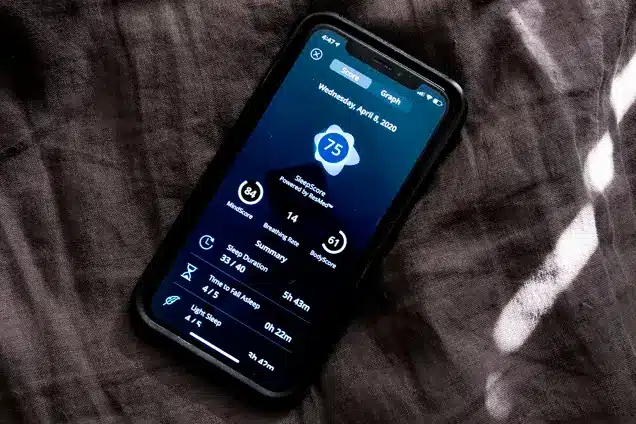
By monitoring your sleep patterns through movement sensors and sound analysis, tracking apps provide insights into your sleep architecture. This data helps identify problems and measure the effectiveness of interventions, turning sleep improvement into a measurable, manageable project.
Top Features to Look for in Insomnia Apps ✨
Not all sleep applications are created equal. When selecting a tool to help with your insomnia, consider these essential features:
- Evidence-based content: Look for apps developed with input from sleep scientists, psychologists, or certified sleep coaches
- Customization options: Your insomnia is unique, so your solution should be adaptable to your specific needs and preferences
- Offline functionality: The best apps work without an internet connection, eliminating another potential sleep disruptor
- Dark mode interface: Screens should use minimal light with warm tones that don’t suppress melatonin production
- Timer and auto-shutoff: Content should automatically stop so the app doesn’t keep you awake or drain your battery
- Progress tracking: Monitoring improvements helps maintain motivation and identify what works for you
- No disruptive notifications: Ironically, some wellness apps bombard users with alerts that undermine sleep hygiene
Making Sleep Apps Part of Your Bedtime Routine 🌙
Simply downloading an application won’t cure insomnia—success requires integration into a comprehensive sleep hygiene strategy. The most effective approach combines digital tools with fundamental lifestyle adjustments.
Start by establishing a consistent sleep schedule, even on weekends. Your circadian rhythm thrives on predictability. About an hour before your target sleep time, begin your wind-down routine. This is when your sleep app becomes most valuable—not as something you use in bed while trying to fall asleep, but as part of the transition period.
Use meditation or breathing exercises from your app while still in a comfortable chair or sitting on your bed. This creates a mental association between the app’s content and relaxation without conditioning your brain to expect stimulation while lying down trying to sleep. If you’re using sleep stories or soundscapes, start them before you turn off the lights and settle in.
The Importance of Consistency
Research shows that sleep interventions—whether behavioral therapy or meditation—produce the best results with regular, sustained practice. Using a sleep app sporadically during particularly bad nights won’t provide the same benefits as incorporating it into your nightly routine for several weeks. Most CBT-I programs recommend at least 4-6 weeks of consistent application before evaluating effectiveness.
When to Combine Apps with Professional Help 🏥
While sleep applications can be remarkably effective, they’re not appropriate for every situation. Certain conditions require professional medical evaluation and treatment.
If you experience insomnia alongside loud snoring, breathing pauses during sleep, excessive daytime sleepiness despite adequate time in bed, or physical discomfort that prevents sleep, consult a healthcare provider. These symptoms might indicate sleep apnea, restless leg syndrome, or other medical conditions that apps cannot address.
Similarly, if your insomnia is accompanied by symptoms of depression, severe anxiety, or if you’re having thoughts of self-harm, mental health support should be your priority. Many excellent apps complement therapy, but they shouldn’t replace it when professional intervention is needed.
Chronic insomnia lasting more than three months that significantly impairs your daytime functioning deserves evaluation by a sleep specialist. They can conduct proper sleep studies and create comprehensive treatment plans that might include apps as one component among several interventions.
The Science Behind Sleep Sounds and Music 🎵
One of the most popular features in insomnia apps is audio content specifically designed to promote sleep. But what makes certain sounds conducive to rest while others keep us alert?
White noise works by creating a consistent acoustic blanket that masks sudden environmental changes—the dog barking, the car door slamming, the partner snoring. Our brains are wired to notice changes in our environment as potential threats, which triggers arousal. Steady, predictable sound prevents these micro-awakenings.
Pink noise, which emphasizes lower frequencies compared to white noise, has shown particular promise in research studies. Some evidence suggests it may enhance deep sleep and improve memory consolidation. Brown noise goes even deeper, creating a rumbling quality that many find especially soothing.
Binaural Beats and Brainwave Entrainment
More sophisticated apps employ binaural beats—slightly different frequencies played in each ear that create a perceived third frequency in your brain. The theory suggests this can encourage brainwaves to sync with frequencies associated with different sleep stages. While research is still emerging, some studies show modest benefits for relaxation and sleep quality.
Nature sounds—rain, ocean waves, forest ambience—combine the masking effect of noise with positive psychological associations. These sounds often incorporate natural rhythms that may synchronize with our own biological rhythms, creating a sense of harmony conducive to sleep.
Privacy Considerations with Sleep Tracking Apps 🔒
When you invite an application into your bedroom to monitor your sleep, you’re sharing intimate data about your daily patterns, location (your home), and potentially audio recordings. Privacy-conscious users should carefully evaluate what information apps collect and how they use it.
Read privacy policies before installing sleep apps. Look for applications that store data locally on your device rather than uploading it to cloud servers. Be cautious about apps that request permissions unrelated to their core function—a sleep sounds app shouldn’t need access to your contacts or camera.
Some apps sell anonymized user data to research institutions or third parties. While this might contribute to sleep science, you should know whether your midnight tossing and turning is being commodified. Premium apps with upfront pricing models often have better privacy practices than free apps that monetize through data or advertising.
Creating the Optimal Sleep Environment Beyond Apps 🛏️
Even the best insomnia app will struggle against a fundamentally sleep-hostile environment. Your bedroom should be your sleep sanctuary, optimized for rest.
Temperature matters enormously—sleep quality peaks in rooms between 60-67°F (15-19°C). Your body needs to drop its core temperature to initiate sleep, and a cool room facilitates this process. Darkness is equally critical. Even small amounts of light can suppress melatonin production, so invest in blackout curtains or a quality sleep mask.
Reserve your bed exclusively for sleep and intimacy. Working, eating, or watching television in bed weakens the mental association between your bedroom and rest. When your brain enters that space, it should automatically begin preparing for sleep.
The Screen Time Paradox
Here’s the irony: apps designed to help you sleep require the very devices that often cause sleep problems. Blue light from screens suppresses melatonin production, making it harder to fall asleep. Engaging content on your phone activates your brain when you should be winding down.
Mitigate this by using your device’s night mode, which shifts the screen to warmer tones. Better yet, use your app during your pre-bed routine rather than in bed itself. If you’re using sleep sounds, start them and then place your phone face-down across the room—this removes both the light source and the temptation to check notifications.
Measuring Success and Adjusting Your Approach 📊
Improving sleep is a process that requires patience, experimentation, and realistic expectations. Track not just how long you sleep, but how you feel—your energy levels, mood, concentration, and overall wellbeing during the day.
Keep a simple sleep diary, noting what time you went to bed, approximately when you fell asleep, how many times you woke up, final wake time, and a subjective quality rating. Also record which app features you used and any other relevant factors (caffeine intake, exercise, stress levels). After two weeks, patterns typically emerge that guide adjustments.
Don’t expect miracles overnight. Chronic insomnia developed over months or years; it won’t disappear in a few days. Incremental improvement is still improvement. Falling asleep 15 minutes faster or waking up one fewer time per night represents real progress that compounds over weeks.
Building Long-Term Sleep Resilience 💪
The ultimate goal isn’t dependence on an app but developing sustainable sleep skills that serve you throughout life. Think of sleep applications as training wheels—supportive tools that help you develop capabilities that eventually become automatic.
The breathing techniques, meditation practices, and cognitive strategies you learn through apps can become internalized skills you apply without digital assistance. Many users find that after several months of consistent app use, they’ve developed sufficient mastery to sleep well independently, returning to the app only during particularly stressful periods.
Lifestyle factors remain foundational. Regular exercise (but not close to bedtime), moderate caffeine consumption ending by early afternoon, limited alcohol, stress management, and social connection all contribute to sleep quality in ways no app can replicate. The most effective approach integrates digital tools within a holistic commitment to sleep health.
The Future of Sleep Technology 🚀
Sleep technology continues evolving rapidly. Emerging applications incorporate artificial intelligence that learns your unique patterns and personalizes interventions accordingly. Integration with wearable devices provides increasingly sophisticated biometric data beyond simple movement tracking.
Some experimental apps are exploring temperature regulation recommendations, light therapy schedules aligned with your chronotype, and even integration with smart home systems that automatically optimize your bedroom environment. Virtual reality meditation experiences and haptic feedback devices represent the frontier of sleep innovation.
Despite these advances, the fundamentals remain constant. Humans have biological sleep needs shaped by millions of years of evolution. Technology works best when it supports rather than fights these ancient rhythms—creating conditions that allow your natural sleep mechanisms to function as designed.
Taking the First Step Toward Better Sleep 🌟
If insomnia has been stealing your nights and diminishing your days, you don’t have to suffer in silence. The applications available today offer accessible, affordable, evidence-based tools that have helped millions reclaim restful sleep.
Start tonight. Choose one app that addresses your primary sleep challenge—whether that’s a racing mind, environmental noise, or poor sleep habits. Commit to using it consistently for at least three weeks. Combine it with basic sleep hygiene practices: consistent timing, cool dark bedroom, limited evening screen time, and a relaxing pre-bed routine.
Remember that better sleep is possible. Your struggles are valid, common, and treatable. With the right combination of digital tools, lifestyle adjustments, and patience, those frustrating sleepless nights can transform into the restorative rest your body and mind desperately need. Sweet dreams await. 😴
