
Anúncios
X-Ray and Ultrasound Apps: What You Need to Know
Discover Real Tools
The curiosity around apps that claim to simulate X-rays or ultrasounds through smartphones has skyrocketed in recent years. With titles promising to “see through clothes” or “scan your body using camera technology,” these applications attract millions of downloads from users hoping to turn their mobile devices into medical diagnostic tools. But what’s the real story behind these apps? 🤔
The intersection of medicine, technology, and smartphone capabilities creates a fascinating landscape worth exploring. While genuine medical imaging requires specialized, expensive equipment operated by trained professionals, the app stores are flooded with applications making bold claims about scanning capabilities. Understanding what’s real, what’s fake, and what’s genuinely useful is essential for anyone curious about this topic.
Anúncios
The Truth Behind X-Ray and Ultrasound Simulation Apps
Let’s address the elephant in the room immediately: no smartphone app can perform real X-rays or ultrasounds. The fundamental physics involved in medical imaging requires specific hardware that simply doesn’t exist in consumer mobile devices. X-ray imaging needs radiation generation and detection equipment, while ultrasound requires specialized transducers that emit and receive high-frequency sound waves.
The apps marketed as “X-ray scanners” or “body scanners” fall into several categories. Most are entertainment apps designed as pranks or jokes, using pre-loaded images, camera tricks, or augmented reality effects to create illusions. Some employ clever visual tricks—like applying filters to the camera feed or superimposing skeletal images over live video—to create convincing-looking but completely fictional results.
Anúncios
What makes these apps particularly popular is the natural human curiosity about what lies beneath the surface. The promise of “seeing through” objects taps into that fascination, even when users intellectually understand the limitations. The entertainment value, combined with the ability to prank friends, drives millions of downloads despite—or perhaps because of—their lack of actual medical functionality. 📱
Categories of Medical Simulation Apps
Understanding the landscape requires recognizing the different types of apps available:
- Pure Entertainment Apps: These make no serious medical claims and are clearly positioned as games or prank tools, often featuring cartoon-style graphics and obvious fictional elements.
- Educational Simulators: Designed for medical students and professionals to practice interpretation skills using real medical images from databases, these serve legitimate educational purposes.
- Misleading Apps: Unfortunately, some applications blur the lines with vague marketing language that might deceive less tech-savvy users into believing they offer real diagnostic capabilities.
- Professional Tools: Legitimate apps used by healthcare professionals for viewing actual medical images, collaborating on cases, or accessing medical databases.
Why Real Medical Imaging Can’t Work on Smartphones
The science behind medical imaging reveals why smartphones can’t replicate these technologies. X-ray imaging requires directing ionizing radiation through the body, where different tissues absorb varying amounts of radiation. Dense materials like bone absorb more radiation and appear white on X-rays, while soft tissues appear in shades of gray. This process requires specialized radiation sources and detectors—technology far beyond smartphone capabilities and requiring strict safety regulations.
Ultrasound technology uses high-frequency sound waves (typically 2-18 MHz) that bounce off internal structures. A transducer both sends these sound waves and receives the echoes, which are processed into images. The piezoelectric crystals needed for this process, combined with the computing power to interpret returning signals in real-time, constitute specialized medical equipment. Your phone’s speaker and microphone operate at completely different frequencies and lack the necessary components. 🔬
Beyond the hardware limitations, there are significant safety and regulatory considerations. Medical imaging devices undergo rigorous testing and FDA approval processes. They’re operated by trained technicians who understand proper positioning, radiation safety (for X-rays), and image acquisition techniques. The idea that an app could bypass all these requirements is not just unrealistic—it’s potentially dangerous if people relied on such tools for actual health decisions.
Popular Apps in This Category and What They Actually Do
Despite the technological impossibilities, numerous apps have gained popularity in app stores. Understanding what they actually offer helps set realistic expectations.
Body Scanner Camera X-Ray Apps typically use your phone’s camera with special filters applied. When you point the camera at someone’s hand or arm, the app applies image processing to make skin appear transparent and overlays skeletal images. The results look somewhat convincing in screenshots but are entirely pre-programmed effects with no actual scanning occurring.
Prank X-Ray Scanner Apps embrace their entertainment purpose openly. These apps might include sound effects mimicking medical equipment, fake loading bars suggesting “scanning in progress,” and pre-loaded images of skeletons or internal organs. They’re designed for harmless fun at parties or to surprise friends, with many including disclaimers about their fictional nature.
Full Body Scanner Apps claim to analyze your entire body, sometimes adding fake health readings like “bone density” or “muscle mass” percentages. These numbers are randomly generated or based on simple inputs like age and gender—not on any actual measurement of your body. While entertaining, they provide zero medical value. ⚠️
The Educational Apps Worth Exploring
On the legitimate side, several apps serve genuine educational and professional purposes. These don’t claim to scan your body but instead provide access to real medical imaging for learning:
- Essential Anatomy: Offers detailed 3D anatomical models that medical students can explore, though it doesn’t scan real bodies.
- Radiopaedia: Provides access to thousands of real medical imaging cases for educational review and professional reference.
- DICOM Viewers: Allow medical professionals to view actual X-rays, CT scans, and MRIs sent from hospital systems, facilitating remote consultations.
- Ultrasound Simulator Apps: Help sonography students practice identifying anatomical structures using archived real ultrasound images.
The Psychology Behind App Popularity
Why do apps with impossible claims attract millions of downloads? The psychology is fascinating. Humans have always been drawn to the idea of possessing superhuman abilities or secret knowledge. Apps promising to “see through” barriers tap into that same impulse that made X-ray vision glasses a popular comic book advertisement for decades.
There’s also the curiosity factor. Even when we know something isn’t real, there’s entertainment value in seeing how convincingly it’s presented. The same impulse that makes people enjoy magic shows—knowing it’s illusion but appreciating the craft—drives downloads of these prank apps. Many users download them specifically to show friends or post reactions on social media. 🎭
The app store algorithms and marketing also play roles. Apps with sensational titles and promises get attention, generating downloads even from skeptical users who want to see “how fake” they are. This creates a cycle where controversial or outrageous apps gain visibility through curiosity-driven downloads and reviews.
Legitimate Medical Technology Coming to Mobile Devices
While fake scanner apps dominate the entertainment space, real medical innovation is quietly bringing genuine diagnostic capabilities to mobile devices—though in ways very different from the scanner apps.
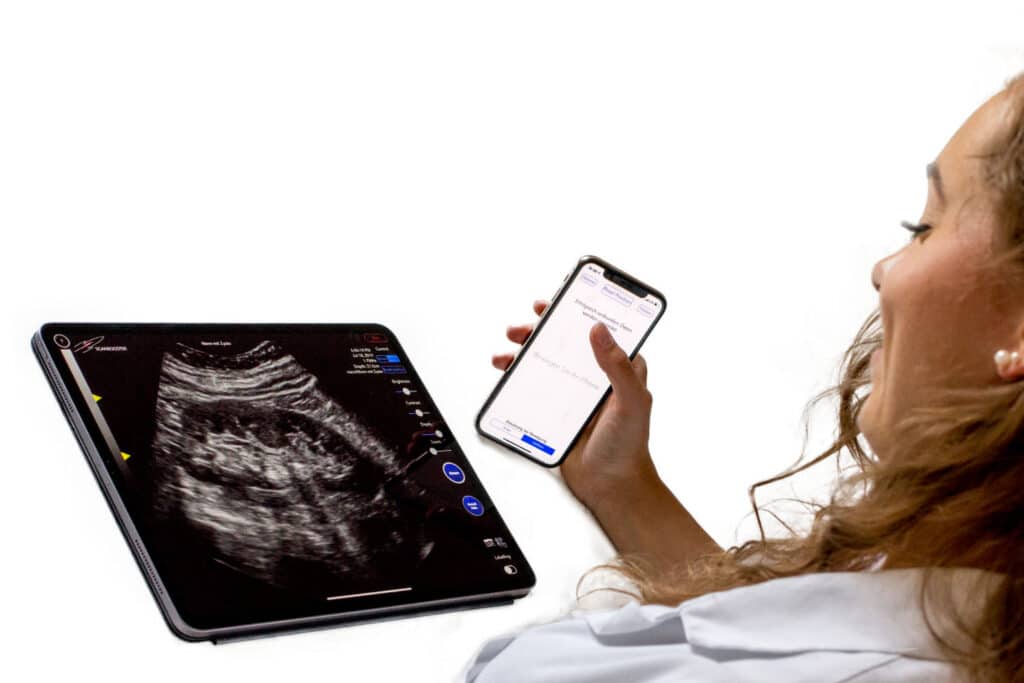
Several FDA-approved smartphone attachments now enable actual medical functions. Smartphone-based ophthalmoscopes allow doctors to examine the retina using special lenses attached to the phone’s camera. Similarly, otoscopes for examining ears, dermatoscopes for skin examination, and even portable ECG devices that connect to smartphones are expanding mobile medical capabilities.
These legitimate tools share common characteristics: they use specialized hardware attachments (not just the phone itself), they’re designed for medical professionals with proper training, they’ve undergone regulatory approval, and they’re marketed honestly about their capabilities and limitations. They represent the real future of mobile medical technology—not magic apps, but practical tools extending professional capabilities. 💡
Emerging Technologies on the Horizon
Research continues into smartphone-based diagnostic tools that might eventually enable some imaging capabilities. For example, researchers have developed experimental ultrasound transducers that could potentially connect to smartphones, though these would still be external medical devices, not apps alone.
Artificial intelligence is also transforming how existing medical images are analyzed. While AI can’t make your phone perform an X-ray, apps using machine learning can help radiologists interpret images more quickly and accurately when viewing legitimate scans on mobile devices.
Privacy and Security Concerns
Beyond the question of functionality, apps in this category raise legitimate privacy concerns. Many request extensive permissions—access to your camera, storage, contacts, and sometimes even location data. While a prank app needs camera access for its visual effects, why would it need your contact list or location?
Some of these apps monetize through aggressive data collection, gathering information about users for advertising purposes or potentially selling to third parties. Before downloading any app, especially those making extraordinary claims, reviewing the permissions requested and reading the privacy policy (yes, actually reading it) is crucial for protecting your personal information. 🔒
There’s also the issue of malware and security risks. Apps from unknown developers or those with suspiciously high permission requests might include malicious code. Sticking to apps from recognized developers and reading recent reviews helps identify potential security issues.
What to Look For in Medical Apps
If you’re interested in legitimate medical or health apps, certain markers distinguish quality applications from questionable ones:
- Clear disclaimers: Legitimate apps clearly state whether they’re for entertainment, education, or actual medical use.
- Developer credentials: Quality medical apps come from recognized healthcare organizations, medical schools, or established medical software companies.
- Regulatory approval: Apps making medical claims should mention FDA clearance or equivalent regulatory approval for their region.
- Professional reviews: Look for endorsements or reviews from medical professionals or institutions.
- Realistic claims: Be skeptical of apps promising capabilities that sound too good to be true—they usually are.
The Entertainment Value Without Deception
There’s nothing inherently wrong with prank or entertainment apps, as long as they’re honest about what they are. Many people enjoy using “X-ray” filter apps for fun photos or to entertain children, fully aware they’re not real. The key is approaching them with appropriate expectations. 🎉
Some of the better entertainment apps in this category clearly label themselves as pranks or games, include humorous disclaimers, and focus on creating entertaining visual effects rather than making false medical claims. These can be enjoyed as the digital equivalent of magic tricks—not real, but fun to experience and share.
When used responsibly, these apps can even spark interest in real medical imaging technologies. A child fascinated by a skeleton filter app might develop curiosity about how real X-rays work, potentially inspiring future interest in medical careers or scientific fields.
Educating Others About App Realities
If you encounter friends or family members who believe these apps offer real diagnostic capabilities, gentle education is important. Some vulnerable populations—including children, elderly individuals, or those with limited technological literacy—might genuinely believe these apps work as advertised.
Explaining the basic science of why smartphones can’t perform X-rays or ultrasounds helps build critical thinking skills about technological claims. It’s also an opportunity to discuss the importance of seeking proper medical care from qualified professionals rather than relying on smartphone apps for health concerns.
Sharing information about legitimate medical apps that do serve useful purposes—like medication reminders, symptom checkers from reputable sources, or appointment scheduling tools—provides positive alternatives while correcting misconceptions about scanner apps. 👨⚕️
Making Informed Choices in App Stores
The app marketplace is vast and largely unregulated when it comes to entertainment applications. While app stores remove apps that are malicious or explicitly fraudulent, many apps making exaggerated claims remain available because they include small-print disclaimers or market themselves as entertainment.
Developing critical evaluation skills helps navigate this landscape. Before downloading any app, especially those making extraordinary claims, consider: What permissions does it request? What do recent reviews say? Who developed it? What’s the privacy policy? Has it been updated recently? These questions help identify quality apps and avoid problematic ones.
Remember that free apps typically monetize through ads or data collection. An app offering “amazing” capabilities for free is likely either collecting extensive data, showing numerous ads, or simply not delivering on its promises. Understanding these business models helps set realistic expectations about what free apps can genuinely offer.
The Future of Mobile Health Technology
While current “scanner” apps are entertainment rather than medical tools, the broader field of mobile health technology is advancing rapidly. Smartphones are increasingly integrated into legitimate healthcare through telemedicine, health monitoring, and professional diagnostic tools (with proper hardware attachments).
The sensors already in smartphones—accelerometers, cameras, microphones—are being creatively leveraged for real health applications. Apps can detect fall risks in elderly users through movement patterns, help monitor Parkinson’s disease symptoms through voice analysis, or track heart rate through camera-based photoplethysmography. These represent the actual frontier of mobile health innovation. 🚀
As technology advances, the gap between entertainment simulation and genuine capability may narrow in specific areas. However, the fundamental physics of X-rays and ultrasound mean that these particular imaging modalities will always require specialized equipment beyond standard smartphone components. The future likely holds more sophisticated health monitoring through existing sensors and new specialized attachments, rather than magical all-in-one scanner apps.
Balancing Curiosity with Critical Thinking
The popularity of X-ray and ultrasound simulation apps reflects our natural human curiosity about technology and the hidden aspects of our bodies. That curiosity is valuable and worth nurturing—it drives scientific advancement and medical innovation. The key is channeling that curiosity into understanding real science and technology rather than being satisfied with convincing illusions.
Approaching these apps with a healthy skepticism doesn’t mean abandoning the sense of wonder they can inspire. It means appreciating them for what they actually are—clever visual effects and entertainment—while maintaining curiosity about how real medical imaging works. This balanced perspective allows enjoyment of harmless fun while preserving respect for genuine medical science and the professionals who practice it.
For those genuinely interested in medical imaging, countless resources explain how X-rays, ultrasounds, CT scans, and MRIs actually work. Educational YouTube channels, online courses, and museum exhibits offer fascinating insights into these technologies. Understanding the real science is infinitely more rewarding than any simulation app could be. 🎓
Ultimately, the conversation about these apps is really about broader digital literacy—understanding what technology can and can’t do, recognizing marketing versus reality, protecting personal privacy, and maintaining critical thinking in an age of extraordinary claims. The skills developed in evaluating these apps transfer to countless other situations where discernment between genuine and fake, useful and exploitative, becomes necessary.
So enjoy the prank apps if they entertain you, but always remember what they truly are. Appreciate the real medical technology advancing on mobile platforms, and support its development by downloading legitimate health apps from credible sources. And most importantly, never substitute app entertainment for actual medical care when health concerns arise. Your smartphone is an amazing device capable of incredible things—but seeing through solid objects isn’t one of them, and that’s perfectly fine.
