
Anúncios
Discover the Best Plant Identification Apps

Explore Now
Have you ever walked through a garden, forest, or even your own backyard and wondered about the name of a beautiful plant you’ve never seen before? Perhaps you’ve inherited a houseplant and have no idea how to care for it, or you’re curious about whether that wild plant is safe to touch. Thanks to modern technology, you no longer need to be a botanist to identify plants accurately and quickly.
Plant identification apps have revolutionized the way we interact with nature, putting the power of botanical knowledge right in our pockets. These innovative tools use artificial intelligence, machine learning, and extensive plant databases to help you identify virtually any plant species within seconds. Let’s explore how these apps work and which ones deserve your attention. 🌿
Anúncios
How Plant Identification Apps Actually Work
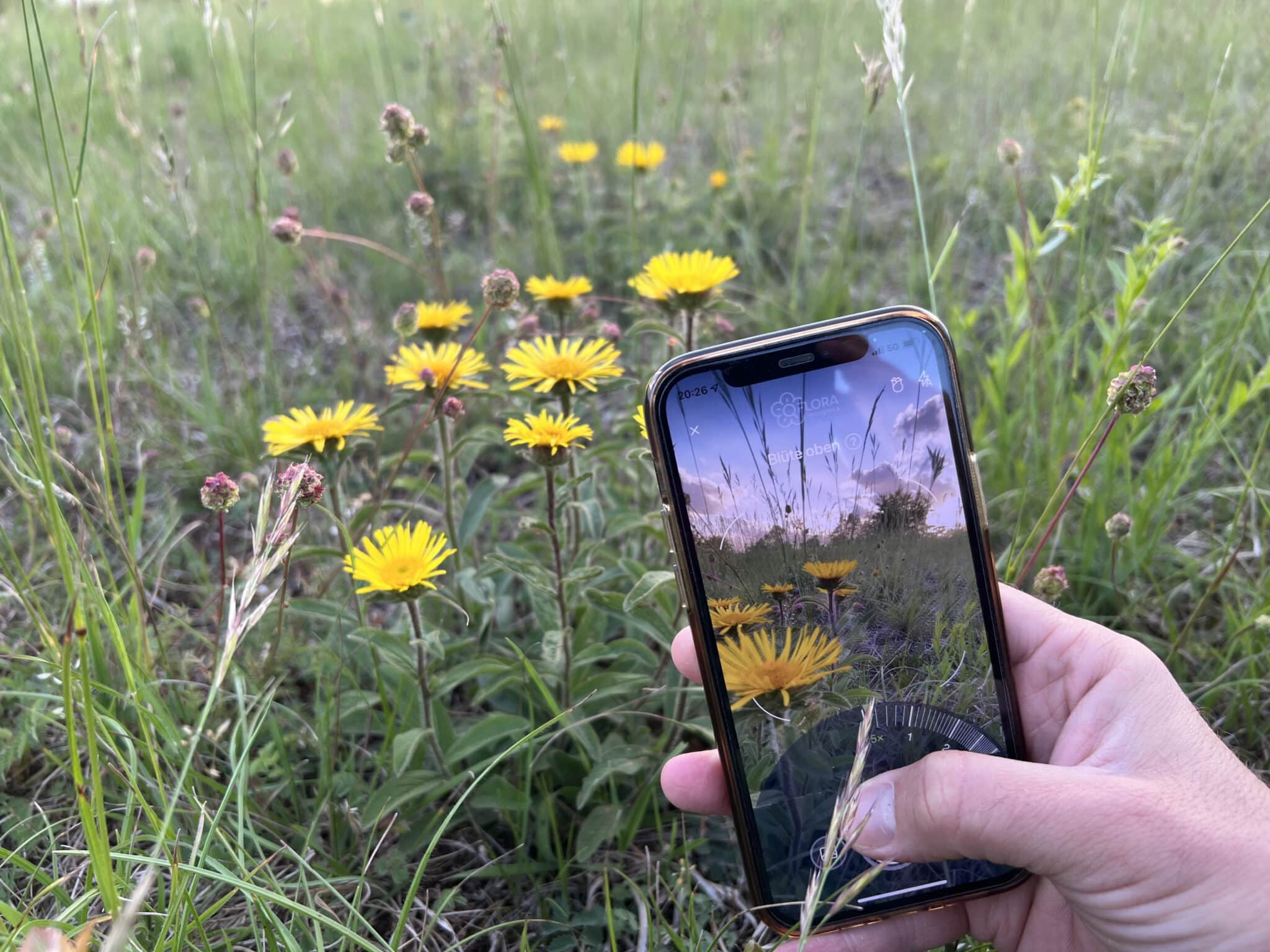
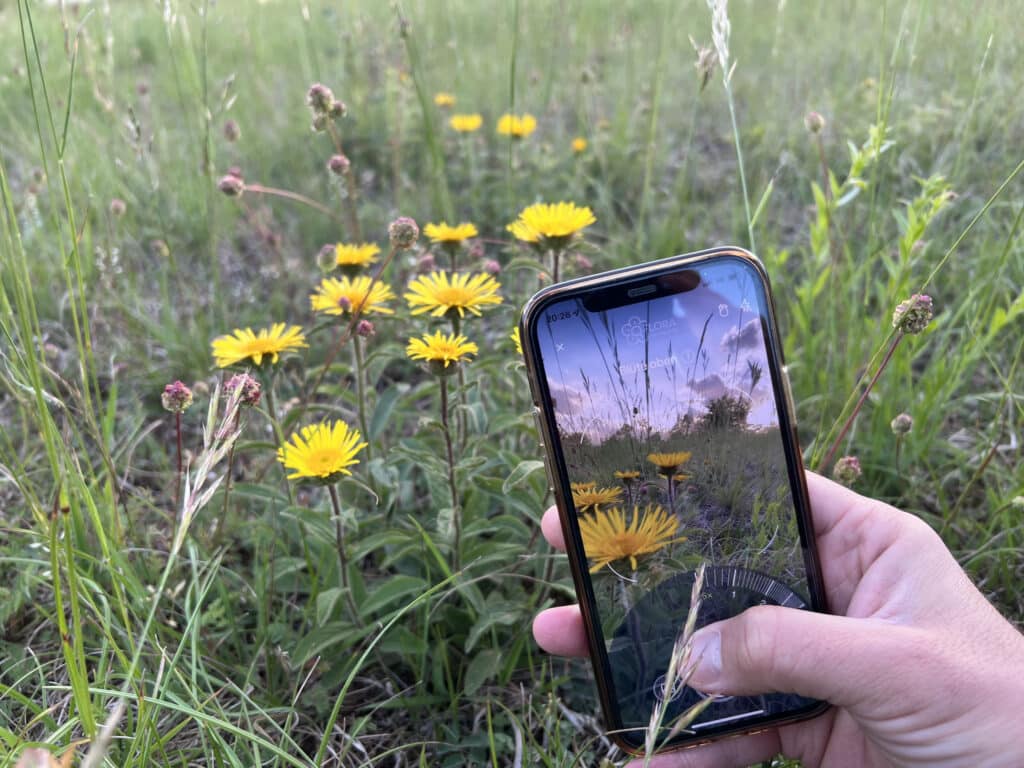
The technology behind plant identification apps is remarkably sophisticated yet incredibly simple to use. When you point your smartphone camera at a plant, the app captures the image and analyzes it using advanced algorithms trained on millions of plant photos. These algorithms examine key features such as leaf shape, flower color, petal arrangement, bark texture, and overall plant structure.
Machine learning models compare your photo against vast databases containing thousands of plant species from around the world. Within seconds, the app provides you with the most likely matches, often with confidence percentages. Many apps also leverage crowdsourced verification, where expert botanists and experienced users review identifications to improve accuracy over time.
Anúncios
The best part? You don’t need perfect lighting or photography skills. Modern apps are designed to work with casual snapshots taken in various conditions, though clearer photos naturally yield better results. Some apps can even identify plants from multiple angles or partial views, making them incredibly versatile for field use. 📱
The Role of Artificial Intelligence in Plant Recognition
Artificial intelligence serves as the backbone of these identification tools. Deep learning neural networks are trained on enormous datasets containing labeled images of plants in different growth stages, seasons, and environments. This training enables the AI to recognize patterns and features that distinguish one species from another, even when plants look similar to the untrained eye.
As more people use these apps, the AI continues learning and improving. Each identification, correction, and verification contributes to making the system smarter and more accurate. This continuous improvement means that plant identification apps become more reliable with every passing month.
Top-Rated Apps for Identifying Unknown Plants
The market offers numerous plant identification apps, each with unique features and strengths. Let’s examine the most popular and effective options available today.
PlantNet: The Community-Powered Identifier
PlantNet stands out as a completely free, open-source application developed by French research organizations. This app relies heavily on its active community of botanists and plant enthusiasts who contribute photos and verify identifications. With a database covering over 35,000 species, PlantNet excels at identifying wild plants, making it perfect for nature walks and hiking adventures.
The app’s interface is straightforward: take a photo, select which part of the plant you’re photographing (flower, leaf, bark, or fruit), and receive instant results. PlantNet also allows you to browse plant observations by geographic location, which is particularly useful for identifying regional flora. 🌸
PictureThis: Comprehensive Care Guidance
PictureThis offers one of the most user-friendly experiences in the plant identification space. Beyond simple identification, this app provides extensive care instructions, including watering schedules, light requirements, fertilization tips, and pest management advice. The app claims over 98% identification accuracy and recognizes more than 17,000 plant species.
While PictureThis operates on a freemium model, its premium subscription unlocks features like unlimited identifications, disease diagnosis, toxicity information, and personalized care reminders. For indoor plant enthusiasts and gardeners who want comprehensive plant management tools, the subscription often proves worthwhile.
iNaturalist: Nature’s Social Network
iNaturalist transforms plant identification into a social experience. This app connects you with a global community of naturalists, scientists, and nature lovers who help identify not just plants but all living organisms. When you upload a photo, community members provide suggestions and confirmations, creating a collaborative identification process.
What makes iNaturalist special is its contribution to scientific research. Your observations are shared with scientific databases and research institutions, meaning your casual plant photos could contribute to biodiversity studies and conservation efforts. The app is completely free and contains no ads, supported by organizations like the California Academy of Sciences and National Geographic Society. 🔬
Seek by iNaturalist: Kid-Friendly Exploration
Developed by the same team behind iNaturalist, Seek is designed specifically for younger users and families. This gamified app encourages outdoor exploration by rewarding users with badges for identifying different species. It doesn’t require account creation or photo uploads, making it privacy-friendly for children.
Seek uses your device’s camera to provide real-time identification suggestions as you point it at plants, creating an augmented reality-like experience. This instant feedback makes learning about plants interactive and engaging for all ages.
PlantSnap: Speed and Simplicity
PlantSnap prioritizes speed without sacrificing accuracy. This app boasts a database of over 600,000 plants, including flowers, trees, succulents, mushrooms, and cacti from around the world. The identification process is remarkably quick, often delivering results in under two seconds.
PlantSnap’s global coverage makes it particularly valuable for travelers who encounter unfamiliar plants in different countries. The app also includes a social feature where users can share their plant discoveries and connect with other plant enthusiasts. While it offers a free version with limited identifications, the full experience requires a subscription.
Practical Uses Beyond Simple Identification
Plant identification apps serve purposes far beyond satisfying curiosity. These tools have practical applications that can genuinely improve your life and relationship with nature.
Gardening Success and Plant Care
Knowing exactly what plant you’re dealing with is the first step to proper care. Once you’ve identified that mysterious houseplant, you can research its specific light, water, and nutrient requirements. Many apps provide this information directly within the identification results, eliminating the need for separate research.
For gardeners planning their landscapes, these apps help identify existing plants on a property, assess their health, and determine whether they should be kept or removed. You can also identify desirable plants in other gardens or public spaces and add them to your wishlist. 🌻
Safety and Toxicity Awareness
Some plants are toxic to humans, pets, or livestock. Plant identification apps often include toxicity warnings, which is invaluable information for parents, pet owners, and anyone working outdoors. Knowing whether that attractive berry is edible or poisonous could prevent a serious health emergency.
Apps like PictureThis specifically highlight poisonous plants and provide information about symptoms and treatment if ingestion occurs. This feature alone makes plant identification apps essential safety tools for families with curious children or pets.
Foraging and Wild Edibles
While plant identification apps should never be your sole resource for foraging decisions, they serve as excellent starting points for identifying potential wild edibles. Many foragers use these apps in combination with field guides and expert consultation to safely identify edible plants, mushrooms, and herbs.
Remember that proper foraging requires extensive knowledge and caution. Always cross-reference app identifications with multiple sources and consult experienced foragers before consuming any wild plant. When in doubt, leave it out. 🍄
Educational and Scientific Contributions
Teachers and students find plant identification apps invaluable for biology education and field studies. These tools make learning about botany interactive and accessible, encouraging students to engage with nature directly rather than just reading about it in textbooks.
As mentioned earlier, apps like iNaturalist contribute user observations to scientific databases, supporting biodiversity research and conservation initiatives. Your casual plant photos could help scientists track species distributions, monitor invasive species, or document the effects of climate change on plant populations.
Maximizing Identification Accuracy: Tips and Tricks
While plant identification apps are impressively accurate, you can improve your results significantly by following these best practices.
Photography Techniques for Better Results
Clear, well-lit photos produce the best identifications. Try to photograph plants in natural daylight, avoiding harsh shadows or direct overhead sun. Get close enough to capture details but ensure the plant part (leaf, flower, or bark) fills most of the frame without being cut off.
Take multiple photos from different angles and of different plant parts. Flowers are often the most distinctive features, but leaves, bark, fruit, and overall growth habit all provide valuable identification clues. Some plants look entirely different depending on their growth stage or season. 📸
Understanding Confidence Levels
Most apps provide confidence percentages or probability rankings for their identifications. A 95% confidence match is highly reliable, while a 60% match suggests uncertainty. When confidence is low, take additional photos or try identifying different plant parts to improve accuracy.
Don’t automatically accept the first suggestion, especially with lower confidence scores. Review multiple suggested matches and compare their descriptions and images with your plant. Sometimes the second or third suggestion is actually correct.
Cross-Referencing Multiple Apps
For critical identifications—especially regarding edibility or toxicity—use multiple apps and compare results. If three different apps agree on an identification, you can be much more confident than if you rely on a single app. Different apps use different databases and algorithms, so cross-referencing provides valuable verification.
The Future of Plant Identification Technology
Plant identification technology continues evolving rapidly. Future developments will likely include improved accuracy through larger datasets, better disease and pest identification capabilities, and integration with other environmental monitoring tools.
Augmented reality features are becoming more sophisticated, allowing real-time identification as you simply point your camera at plants without even taking photos. Some apps are developing offline capabilities with downloadable regional databases, making them functional even without internet connectivity—perfect for remote hiking and camping. 🏕️
We’re also seeing increased integration with smart home devices and garden management systems. Imagine your garden automatically identifying new plants, monitoring their health, and adjusting irrigation based on each plant’s specific needs. This connected ecosystem of plant care technology is already beginning to emerge.
Choosing the Right App for Your Needs
Selecting the best plant identification app depends on your specific requirements and interests. Consider these factors when making your choice:
- Purpose: Are you identifying houseplants, wild plants, or planning a garden?
- Budget: Do you prefer free apps or are you willing to pay for premium features?
- Geographic coverage: Does the app include plants from your region?
- Additional features: Do you need care instructions, disease diagnosis, or community support?
- Privacy concerns: Are you comfortable with apps that upload photos to servers?
- Offline functionality: Will you be using the app in areas without internet access?
For casual users who occasionally encounter interesting plants, free apps like PlantNet or iNaturalist provide excellent functionality without any cost. Indoor plant enthusiasts who want comprehensive care guidance might find the subscription to PictureThis worthwhile. Families with children will appreciate Seek’s educational, gamified approach.
Environmental Impact and Conservation Awareness
Beyond personal benefits, plant identification apps foster environmental awareness and conservation ethics. When people can identify and learn about plants, they develop deeper connections with nature and greater appreciation for biodiversity. This knowledge often translates into more environmentally conscious behavior and support for conservation initiatives.
Many apps include information about endangered species, invasive plants, and ecosystem importance. This educational component helps users understand their role in protecting plant diversity and maintaining healthy ecosystems. Some apps even include features for reporting invasive species or documenting rare plant sightings to help conservation efforts. 🌍
Enhancing Your Botanical Knowledge Journey
Plant identification apps serve as gateways to deeper botanical knowledge. Once you start identifying plants, you naturally become curious about their ecology, uses, history, and relationships with other species. Many users find themselves progressing from casual app users to serious amateur botanists.
Complement your app usage with field guides, botanical courses, and local plant walks led by experts. Join online communities where plant enthusiasts share knowledge and experiences. Consider contributing to citizen science projects that use your plant observations for research purposes.
The more you engage with plants and these identification tools, the better you become at noticing distinctive features and making preliminary identifications even before using the app. This developing expertise makes your outdoor experiences richer and more meaningful.
Common Challenges and Limitations
While plant identification apps are powerful tools, they have limitations worth understanding. Accuracy decreases with poor quality photos, rare species, or plants photographed in unusual conditions. Young plants or those not in bloom can be particularly challenging to identify accurately.
Regional database gaps exist, meaning some apps perform better in certain geographic areas than others. Apps trained primarily on North American or European plants may struggle with species from other continents. Hybrid plants and cultivated varieties can also confuse identification algorithms designed primarily for wild species.
These limitations don’t diminish the apps’ value but remind us to use them as helpful tools rather than infallible authorities. Combining app suggestions with field guide consultation and expert verification provides the most reliable identification process. ✅
Making Plant Identification Part of Your Lifestyle
Incorporating plant identification into your regular routine transforms ordinary walks into discovery adventures. Keep your preferred app easily accessible on your phone’s home screen, ready to identify interesting plants whenever you encounter them. Create personal plant collections within apps that support this feature, building your own digital herbarium of observed species.
Share your discoveries with friends and family, encouraging others to develop their plant knowledge. Use identified plants as conversation starters and teaching moments with children. Document seasonal changes by photographing the same plants throughout the year, observing how they transform with the seasons.
This practice of regular plant identification cultivates mindfulness and presence in nature. Instead of walking past plants without notice, you begin seeing the incredible diversity surrounding you daily. This awareness enriches your connection with the natural world and provides countless moments of discovery and wonder.
Plant identification apps have democratized botanical knowledge, making it accessible to everyone regardless of background or training. Whether you’re a curious beginner, dedicated gardener, or nature enthusiast, these tools empower you to understand and appreciate the plant kingdom like never before. Download an app today, and start your journey of botanical discovery—you’ll be amazed at what you’ve been walking past without noticing. 🌿✨
