
Anúncios
Identify Stones and Gems with Your Smartphone

Explore Now
The world of minerals, gemstones, and precious rocks has always fascinated humanity. From ancient civilizations to modern collectors, the ability to identify and classify stones has been a skill reserved for experts with years of training. Today, technology has democratized this knowledge, bringing the power of gem identification directly into your pocket. 💎
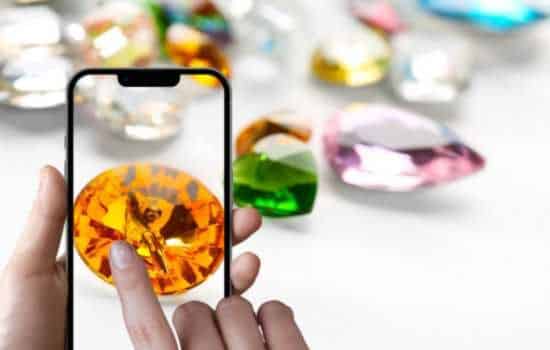
Mobile applications now offer sophisticated tools that use artificial intelligence, image recognition, and extensive databases to help anyone identify stones, minerals, and gemstones within seconds. Whether you’re a geology enthusiast, a jewelry collector, a rockhound, or simply curious about that interesting stone you found on the beach, these apps can provide instant answers and detailed information.
Anúncios
Why Use an App to Identify Stones and Gems? 🔍
Traditional stone identification requires specialized equipment, reference books, and significant expertise. You’d need to understand concepts like hardness scales, crystal systems, specific gravity, and optical properties. While these methods remain important for professional gemologists, they’re not practical for casual enthusiasts or beginners.
Smartphone applications bridge this gap by offering accessible, immediate identification tools. They empower users to learn about geology in real-time, verify purchases, catalog personal collections, and discover the fascinating stories behind each stone. The convenience factor alone has revolutionized how people engage with mineralogy and gemology.
Anúncios
These apps serve multiple purposes beyond simple identification. They act as educational platforms, teaching users about mineral properties, geological formation processes, and the cultural significance of various gemstones. Many include augmented reality features, 3D models, and interactive learning modules that make geology engaging and fun.
How Stone Identification Apps Actually Work
Most gem identification applications rely on advanced image recognition technology powered by machine learning algorithms. When you photograph a stone, the app analyzes various visual characteristics including color, texture, translucency, crystal structure, and surface patterns. These data points are then compared against extensive databases containing thousands of documented mineral specimens.
The artificial intelligence has been trained on millions of images, learning to recognize subtle distinctions between similar-looking stones. Some apps also incorporate additional identification methods such as:
- Color spectrum analysis: Breaking down the precise color wavelengths reflected by the stone
- Pattern recognition: Identifying unique formations, inclusions, and natural markings
- Shape and crystal structure detection: Recognizing geometric patterns characteristic of specific minerals
- Surface texture evaluation: Analyzing roughness, luster, and other physical properties visible in photographs
- Comparative matching: Presenting multiple possible matches when identification is uncertain
The accuracy of these apps continues to improve as their databases expand and algorithms become more sophisticated. However, it’s important to understand their limitations—challenging specimens, poor lighting conditions, or highly polished stones may reduce identification accuracy.
The Technology Behind the Magic ✨
Deep learning neural networks form the backbone of modern stone identification apps. These systems process images through multiple layers of analysis, each layer extracting increasingly complex features. Early layers might detect basic colors and edges, while deeper layers recognize specific mineral characteristics and patterns.
Computer vision technology allows apps to “see” details that might escape the untrained human eye. They can measure color ratios with precision, detect subtle variations in transparency, and identify microscopic features that contribute to accurate identification. This technology represents the same fundamental approach used in medical imaging, facial recognition, and autonomous vehicle systems.
Top Features to Look for in Gem Identification Apps 📱
Not all stone identification apps are created equal. When choosing an application for your smartphone, consider these essential features that separate excellent tools from mediocre ones:
- Comprehensive database: The app should include thousands of minerals, gemstones, and rocks from around the world
- Detailed information pages: Beyond simple identification, look for apps that provide geological data, formation processes, and interesting facts
- Offline functionality: The ability to identify stones without internet connection is valuable for field work and remote locations
- Collection management: Tools to catalog your personal collection with photos, notes, and location data
- Learning resources: Educational content, quizzes, and guides that help you develop expertise over time
- Community features: Forums or sharing capabilities where users can exchange knowledge and verify identifications
- AR visualization: Augmented reality features that overlay information when you point your camera at stones
- Professional tools: Advanced features like hardness testing guides, streak tests, and specific gravity calculators
The best apps balance simplicity for beginners with advanced features for experienced users. They should provide instant results while also offering pathways to deeper learning for those who want to understand the science behind identifications.
Popular Applications Making Waves in Stone Identification 🌊
The marketplace offers several high-quality applications designed specifically for mineral and gemstone identification. Each brings unique strengths and approaches to the challenge of helping users recognize stones through their smartphones.
Some applications focus on scientific accuracy and comprehensive databases, partnering with geological institutions and museums to ensure their information remains current and authoritative. Others prioritize user experience, creating intuitive interfaces that make identification as simple as snapping a photo. Many strike a balance between these approaches.
When evaluating apps, consider reading user reviews, checking update frequency, and testing the free versions before committing to premium subscriptions. The ideal app depends on your specific needs—casual hobbyists may prefer streamlined, simple tools, while serious collectors might need professional-grade features and extensive reference materials.
Free vs. Premium: What’s Worth Paying For?
Many stone identification apps operate on a freemium model, offering basic functionality at no cost while reserving advanced features for paid subscribers. Free versions typically allow a limited number of identifications per day or month, access to a smaller database, and basic information about identified stones.
Premium subscriptions usually unlock unlimited identifications, comprehensive databases including rare minerals, detailed geological information, offline access, ad-free experiences, and exclusive learning resources. For serious enthusiasts, collectors, or professionals, these premium features often justify the investment. Casual users may find free versions entirely adequate for occasional identifications.
Practical Tips for Getting Accurate Identifications 📸
The quality of your identification results depends significantly on how you photograph your stones. Following best practices ensures the app’s algorithms have the clearest possible data to work with.
Always photograph stones in natural daylight when possible. Artificial lighting can distort colors and mask subtle features that aid identification. If indoor photography is necessary, use full-spectrum or daylight-balanced bulbs. Avoid flash photography, which creates harsh shadows and unnatural highlights that confuse recognition algorithms.
Clean your stone before photographing it. Dirt, dust, and oils from handling can obscure surface features and alter apparent colors. A gentle wash with water and soft cloth usually suffices for most specimens. For delicate or valuable stones, consult appropriate cleaning methods first.
Take multiple photos from different angles, especially for crystalline specimens where structure provides identification clues. Capture the stone against a neutral background—white, gray, or black work well. Include something for scale reference, though this isn’t always necessary for identification purposes.
Common Photography Mistakes to Avoid 🚫
- Overexposure or underexposure: Proper exposure reveals true colors and surface details
- Blurry images: Ensure your camera focuses properly before capturing the image
- Cluttered backgrounds: Busy backgrounds confuse recognition algorithms
- Excessive filters or editing: Submit unaltered photos for most accurate results
- Photographing through containers: Remove stones from bags or display cases when possible
- Too much distance: Fill the frame with your subject while maintaining sharp focus
Understanding the Limitations of Mobile Identification 🎯
While stone identification apps represent impressive technological achievements, they aren’t infallible. Understanding their limitations helps you use them more effectively and know when professional evaluation is necessary.
Visual identification alone cannot definitively determine certain properties. Two different minerals may appear nearly identical but have different hardness, specific gravity, or crystal structures. Apps excel at narrowing possibilities but may require additional testing to confirm identifications with certainty.
Treated or synthetic stones pose particular challenges. Heat treatment, dyeing, irradiation, and other enhancements can alter appearance dramatically. Lab-created gems often look identical to natural counterparts. Most apps identify what a stone appears to be, not whether it’s natural, treated, or synthetic—distinctions that require professional gemological equipment.
Rare or unusual specimens may not exist in app databases. If you’ve found something truly exceptional, the app might suggest common lookalikes rather than correctly identifying a rare mineral. When apps provide unexpected results or low confidence scores, consider seeking expert evaluation.
Beyond Identification: Educational Value and Community 🎓
The best stone identification apps function as comprehensive learning platforms that transform casual curiosity into genuine expertise. They offer structured educational content that progresses from basic concepts to advanced gemology and mineralogy.
Interactive quizzes test your growing knowledge, while achievement systems and progress tracking provide motivation to continue learning. Many apps include virtual field guides that help you understand where different minerals are found, how they form, and what geological conditions create them.
Community features connect you with fellow enthusiasts worldwide. You can share discoveries, verify identifications through crowd-sourcing, participate in discussions about geological topics, and even organize local meetups for rock hunting expeditions. These social elements add depth and engagement that pure identification tools lack.
Some applications partner with museums, geological societies, and universities to provide authoritative content and even contribute to citizen science projects. Your observations and collections might help researchers map mineral distributions or track geological phenomena.
Building Your Digital Collection 💼
Collection management features transform your smartphone into a portable catalog of your mineral specimens. You can photograph each stone, record where and when you found it, add personal notes, track monetary value, and organize everything into custom categories.
This digital organization proves invaluable as collections grow. You’ll always know what you own, can quickly reference past finds, and have shareable records for insurance or sale purposes. Some apps even generate beautiful galleries you can share with friends or on social media, showcasing your collection’s highlights.
Professional Applications and Advanced Users 💎
While many apps target general enthusiasts, several cater specifically to professionals including jewelers, gemologists, geologists, and mineral dealers. These professional-grade applications offer features beyond basic identification.
Advanced apps might include spectroscopic analysis tools that use your phone’s camera in novel ways to detect optical properties. Some integrate with external hardware like portable spectrometers or microscopes that attach to smartphones, transforming your device into a semi-professional gemological laboratory.
Price estimation features help dealers and collectors assess market values. These databases track auction results, retail prices, and market trends to provide current valuation estimates based on stone type, quality, size, and condition. While not substitutes for professional appraisals, they offer useful ballpark figures.
Certification tracking features allow professionals to manage client stones, store certification documents, and maintain detailed provenance records. Integration with business management tools makes these apps invaluable for jewelry businesses and mineral dealers.
Future Developments in Stone Identification Technology 🚀
The field of mobile gem identification continues evolving rapidly. Emerging technologies promise even more accurate and comprehensive identification capabilities in coming years.
Artificial intelligence models grow more sophisticated with each update, learning from millions of additional images and user feedback. Future versions may achieve near-perfect accuracy for common stones and significantly improve performance with challenging specimens.
Augmented reality integration will become more immersive, potentially overlaying complete geological information, crystal structure animations, and educational content in real-time as you view stones through your camera. Imagine pointing your phone at a rock outcrop and seeing mineral identifications for each component, complete with formation history.
Multispectral imaging may eventually come to smartphones, allowing apps to analyze stones across light wavelengths invisible to human eyes. This technology would dramatically improve identification accuracy and enable detection of treatments and synthetics currently impossible through visual analysis alone.
Collaborative AI might connect users worldwide in real-time identification networks. When your app encounters an uncertain specimen, it could instantly consult with other users’ apps and aggregate their collective knowledge for improved accuracy—a global hive mind of geological expertise.
Making the Most of Your Stone Identification Journey 🌟
Downloading an identification app marks the beginning of a potentially lifelong fascination with the mineral world. To maximize your experience, approach it with curiosity and patience. No app makes you an instant expert, but consistent use combined with genuine interest leads to remarkable knowledge growth.
Start by identifying stones you already own—jewelry, decorative rocks, or childhood collections gathering dust. This familiarizes you with app functionality while rediscovering treasures you’d forgotten. Then venture outdoors to parks, beaches, trails, or construction sites where fresh stones await discovery.
Keep a field journal documenting your finds, observations, and learning progress. Note which identifications surprised you, which proved challenging, and what patterns you begin recognizing independently of the app. This reflection reinforces learning and tracks your developing expertise.
Join local rock and mineral clubs to connect identification skills with hands-on experience. Examining physical specimens while discussing them with knowledgeable enthusiasts accelerates learning beyond what any app alone can achieve. Many clubs organize field trips to productive collecting sites—experiences that transform identification from abstract to tangible.
Remember that even experts sometimes struggle with identification. Some specimens are genuinely ambiguous, requiring laboratory testing for definitive answers. Apps provide tremendous value as starting points, but maintaining healthy skepticism and seeking confirmation for important identifications demonstrates wisdom.
The intersection of geology and technology creates exciting opportunities for discovery and learning. Stone identification apps remove barriers that once kept this knowledge exclusive to specialists, inviting everyone to explore the fascinating mineral world beneath our feet. Whether you’re verifying a jewelry purchase, cataloging a growing collection, or simply satisfying curiosity about an interesting pebble, these powerful tools bring expert-level identification capabilities directly into your hands. 🗿
As you develop your skills and knowledge, you’ll find that these apps do more than identify stones—they open windows into earth’s history, reveal the incredible diversity of our planet’s geology, and connect you with a passionate global community of mineral enthusiasts. The journey from curious beginner to knowledgeable collector starts with a single photograph and a willingness to explore the remarkable world of stones and gems.
