
Anúncios
Discover Gold With Your Smartphone

Start Detecting Now
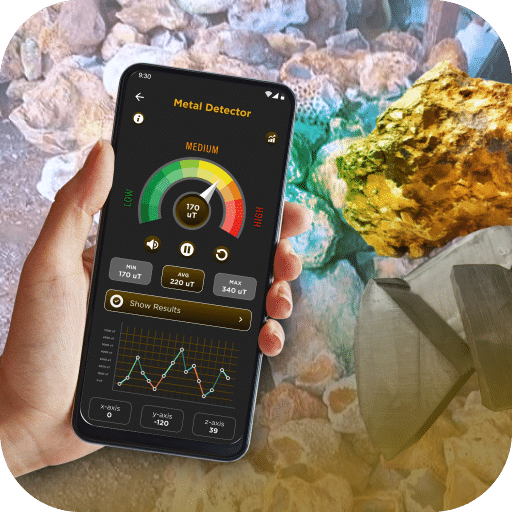
The dream of finding gold has captivated humanity for centuries, and today’s technology has made this treasure hunt more accessible than ever before. With sophisticated smartphone applications designed to detect metallic objects, including gold, anyone can transform their mobile device into a potential treasure-hunting tool. These innovative apps leverage your phone’s built-in magnetometer sensor to identify magnetic fields created by metallic objects buried beneath the surface.
Whether you’re a hobbyist metal detectorist, a prospector looking to supplement traditional equipment, or simply curious about what lies beneath your feet, gold detection apps offer an affordable and convenient entry point into the world of treasure hunting. While they may not replace professional-grade metal detectors entirely, these applications provide surprising functionality that can lead to genuine discoveries. ⚡
Anúncios
How Gold Detection Apps Actually Work
Understanding the technology behind gold detection apps helps set realistic expectations about their capabilities. Most smartphones contain a magnetometer sensor, originally designed for compass functionality and navigation purposes. This tiny sensor measures magnetic field strength and can detect changes in the magnetic environment around your device.
When a metallic object is nearby, it distorts the Earth’s natural magnetic field. Gold detection apps monitor these distortions through the magnetometer, displaying changes in magnetic field strength through visual indicators, numerical readings, or audio signals. The app essentially transforms raw sensor data into user-friendly information that helps you locate metallic objects.
Anúncios
It’s important to note that pure gold is not ferromagnetic, meaning it doesn’t create a strong magnetic response on its own. However, gold is often found alongside other metals in jewelry, coins, or natural deposits that do produce detectable magnetic signatures. Additionally, gold objects can create subtle electromagnetic disturbances that sophisticated apps can identify when properly calibrated. 🔍
The Science Behind Magnetic Detection
The magnetometer in your smartphone works by measuring magnetic flux density in microteslas (μT). The Earth’s magnetic field typically measures between 25-65 μT depending on your location. Metallic objects alter this field, creating anomalies that can be detected when you move your phone over or near them.
Advanced gold detection apps use algorithms to filter out background magnetic noise and highlight significant variations that might indicate buried metal. Some applications even incorporate machine learning to distinguish between different types of metals based on their unique magnetic signatures, though this technology is still developing in mobile applications.
Top Features to Look for in Gold Detection Apps
Not all metal detector apps are created equal. When choosing an application for gold detection, several key features separate effective tools from basic novelties:
- Sensitivity adjustment: The ability to fine-tune detection sensitivity helps you adapt to different environments and target depths
- Calibration options: Proper calibration eliminates interference from your current location’s baseline magnetic field
- Visual and audio indicators: Multiple alert types help you identify targets without constantly watching your screen
- Recording and mapping: Save detection locations with GPS coordinates for future reference
- Metal discrimination: Advanced apps attempt to differentiate between ferrous and non-ferrous metals
- User-friendly interface: Clear displays make field use practical and efficient
- Offline functionality: Work without internet connectivity in remote locations
Understanding Sensitivity and Depth Limitations
Smartphone-based detection apps face inherent limitations compared to dedicated metal detectors. The magnetometer sensors in phones are designed for navigation, not treasure hunting, which restricts their effective detection range. Most apps can reliably detect larger metallic objects within 6-12 inches of the phone, with smaller objects requiring even closer proximity.
Professional metal detectors can reach depths of several feet depending on the model and target size. While this gap is significant, smartphone apps excel in portability and spontaneous use—they’re always with you when unexpected opportunities arise. 📱
Practical Applications Beyond Gold Prospecting
While finding gold remains the romantic goal for many users, these detection apps serve numerous practical purposes in everyday life. Homeowners use them to locate hidden electrical wiring, pipes, and structural metal before drilling holes. Renovation professionals rely on them for preliminary scans before more detailed surveys.
Treasure hunters explore beaches, parks, and historical sites for lost jewelry, coins, and artifacts. The apps help identify promising spots before investing in professional equipment or dedicating significant time to a location. Some users even employ these tools for educational purposes, teaching children about magnetism, metal properties, and scientific methodology through hands-on exploration.
Treasure Hunting Ethics and Legal Considerations
Before embarking on your gold detection adventures, understanding legal and ethical guidelines is essential. Always obtain permission before searching on private property. Many public lands have specific regulations regarding metal detecting, and archaeological sites are typically protected by law.
Research local ordinances about metal detecting in parks, beaches, and public spaces. Some areas require permits, while others prohibit the activity entirely. Historic battlefields, indigenous sites, and protected natural areas often have strict prohibitions. Responsible detecting includes filling any holes you dig and properly disposing of trash you discover. 🌍
Maximizing Success With Detection Apps
Getting the most from your gold detection app requires technique, patience, and realistic expectations. Start by thoroughly reading the app’s instructions and understanding its specific features. Each application operates slightly differently, and optimization techniques vary.
Begin in a controlled environment by testing the app with known metallic objects. Place coins, jewelry, or tools at various depths in soil or sand, then practice detecting them. This calibration process helps you understand your app’s capabilities and limitations while developing the sweeping technique that produces the best results.
Optimal Scanning Techniques
Movement speed significantly impacts detection accuracy. Move your phone slowly and steadily over the search area, maintaining consistent height above the ground. Rapid movements or erratic patterns reduce the sensor’s ability to identify subtle magnetic variations. Many users find that holding the phone parallel to the ground at 2-4 inches provides optimal results.
Grid patterns ensure thorough coverage of your search area. Mentally divide the space into sections, systematically scanning each before moving to the next. Overlapping your sweep paths prevents gaps where targets might be missed. When you receive a signal, approach from multiple angles to pinpoint the exact location before digging. 🎯
Enhancing Detection With Complementary Tools
Smart treasure hunters combine their detection apps with additional equipment to improve results. A simple pinpointer—a handheld device that precisely locates targets in excavated holes—saves time and reduces disturbance to the surrounding area. These affordable tools complement your app by taking over once you’ve identified a promising location.
Quality digging tools appropriate for your search environment are essential. Beach hunting requires different equipment than forest or field searches. A sand scoop with holes for drainage works perfectly on beaches, while a sturdy trowel or digging knife serves better in compact soil.
Creating Your Detection Kit
Assemble a portable kit that keeps essential items organized and accessible. Beyond your smartphone and detection app, consider including:
- Spare phone battery or portable charger
- Protective phone case (preferably waterproof)
- Small container for recovered items
- Gardening gloves to protect your hands
- Mesh bag for trash collection
- Small brush for cleaning discoveries
- Notepad or phone app for recording find locations
- First aid supplies for minor cuts and scrapes
Prime Locations for Mobile Gold Detection
Location selection dramatically impacts your success rate. High-traffic areas where people gather and potentially lose items offer the best odds for valuable discoveries. Beaches near swimming areas, picnic grounds, sports fields, and fairgrounds consistently produce finds.
Historical research enhances your location selection process. Old maps, local history books, and vintage photographs reveal where communities gathered in the past. Former recreational sites, abandoned homesteads, and historic transportation routes often yield interesting metallic artifacts. Public records and historical societies provide valuable information about your area’s past.
Reading the Landscape
Natural features guide treasure hunters to productive search zones. On beaches, areas near towel lines where people sit typically produce more jewelry than random locations. After storms, check erosion points where previously buried items become exposed. In parks, concentrate on areas beneath trees where people seek shade and around benches where they rest. 🏖️
Water transitions create natural collection points. Where streams enter lakes, where tide pools form, and along waterline changes, heavier metallic objects settle as lighter materials wash away. These natural sorting mechanisms concentrate targets in specific zones.
Interpreting App Signals and Avoiding False Positives
Learning to distinguish meaningful signals from background noise develops with experience. Modern environments contain countless metallic objects—from bottle caps to construction debris—that trigger detection apps. Understanding signal characteristics helps you decide which targets deserve investigation.
Strong, consistent signals typically indicate substantial metallic objects. Weak or intermittent signals might represent deeply buried items, small objects, or electronic interference. Quality apps display signal strength numerically or graphically, allowing you to prioritize targets before digging.
Environmental Interference Factors
Several environmental factors create false readings or reduce detection accuracy. Electrical wiring, underground utilities, and reinforced concrete produce strong magnetic fields that overwhelm target signals. Power lines, cell towers, and electronic devices create electromagnetic interference. Highly mineralized soil or black sand beaches contain naturally occurring metallic minerals that cause constant low-level signals.
Weather conditions also impact performance. Extreme temperatures affect smartphone battery life and sensor accuracy. Rain can damage unprotected phones, while intense sunlight makes screens difficult to read. Optimal detecting occurs in moderate conditions when your equipment performs reliably. ⛅
Upgrading Your Detection Capabilities
As you gain experience with mobile detection apps, you might consider supplementing them with dedicated metal detector equipment. Entry-level metal detectors start around $100-200 and offer significantly improved depth, discrimination, and reliability. Mid-range detectors ($300-600) provide advanced features like target identification, ground balancing, and multiple search modes.
However, detection apps retain value even after acquiring professional equipment. They serve as convenient tools for quick checks, backup devices when primary equipment fails, and teaching instruments for introducing others to the hobby. The low cost and constant availability make them worthwhile regardless of your experience level.
Building Detection Skills Over Time
Expertise develops through consistent practice and continuous learning. Join online communities where detecting enthusiasts share experiences, tips, and discoveries. These forums provide location suggestions, technique refinements, and identification help for unusual finds.
Document your detecting sessions with photos, location notes, and find descriptions. This personal database helps you identify productive locations, track seasonal variations, and measure your skill progression. Many successful treasure hunters maintain detailed logs that become invaluable references over years of detecting. 📝
Turning Hobby Into Knowledge
The educational value of metal detecting extends well beyond the thrill of discovery. Each find connects you to history, teaching about past cultures, economic conditions, and daily life. Coins reveal monetary systems, jewelry demonstrates artistic styles, and utilitarian objects show how people solved everyday problems.
Researching your discoveries deepens appreciation for their significance. Online databases, collector forums, and local museums help identify unusual items. Learning to properly clean, preserve, and document finds adds another dimension to the hobby while protecting items for future generations.
Sharing Your Detecting Journey
Many detector enthusiasts find satisfaction in sharing their experiences through social media, blogs, or video channels. Documenting your adventures inspires others while creating a personal archive of memorable moments. Photography skills, storytelling abilities, and historical knowledge all develop through the process of sharing your detecting journey with others.
Consider contributing significant finds to local historical societies or museums. Items of archaeological or historical importance often provide more value through public education than personal possession. This contribution enriches your community while establishing relationships with experts who can offer guidance on future finds. 🏛️
The Future of Mobile Metal Detection
Smartphone sensor technology continues advancing rapidly, with each generation offering improved accuracy and sensitivity. Manufacturers increasingly recognize niche applications like metal detection, potentially leading to purpose-built sensors in future devices. Machine learning algorithms grow more sophisticated, promising better metal discrimination and target identification.
Augmented reality integration represents an exciting frontier for detection apps. Imagine viewing underground metallic objects overlaid on your camera feed, with estimated depth and composition displayed in real-time. While true underground imaging remains beyond current smartphone capabilities, incremental improvements steadily enhance mobile detection effectiveness.
The democratization of treasure hunting through accessible mobile apps brings this timeless pursuit to broader audiences than ever before. Whether you discover actual gold or simply enjoy outdoor exploration and the occasional interesting find, these applications transform everyday smartphones into gateways for adventure. The technology in your pocket provides everything needed to begin your treasure hunting journey—the only remaining ingredient is your curiosity and willingness to explore. ✨
